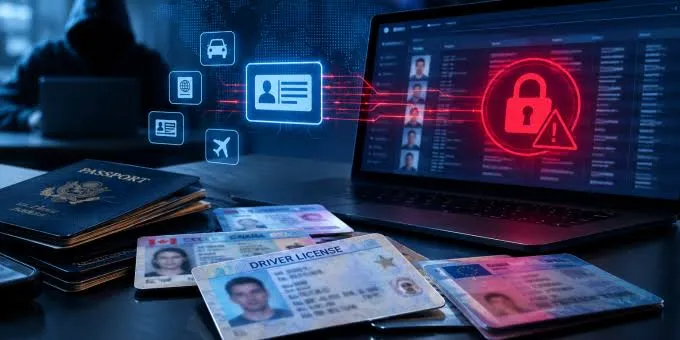
Approximately 153 million driver's-license scans have surfaced from a breached identity-verification vendor, one of the largest exposures of government-issued identification documents reported globally in recent memory and a development that has reignited concern about the security practices of the third-party verification services that businesses across banking, e-commerce, ride-hailing and other sectors increasingly rely upon to confirm customer identities before granting access to their platforms. The scale of the exposure underscores the growing systemic risk created by the concentration of sensitive identity documents within a relatively small number of specialised verification vendors serving thousands of downstream client businesses.
Identity-verification services have become deeply embedded within digital onboarding processes across a wide range of industries over the past several years, as businesses seek to comply with know-your-customer regulations, prevent fraud and meet age-verification requirements increasingly mandated by regulators in sectors ranging from financial services to social media platforms. This growth has created a small number of large, centralised repositories of highly sensitive identification documents, including driver's licenses, passports and other government-issued credentials, making these vendors attractive targets for cybercriminals given the outsized value and downstream fraud potential of successfully compromising even a single such repository.
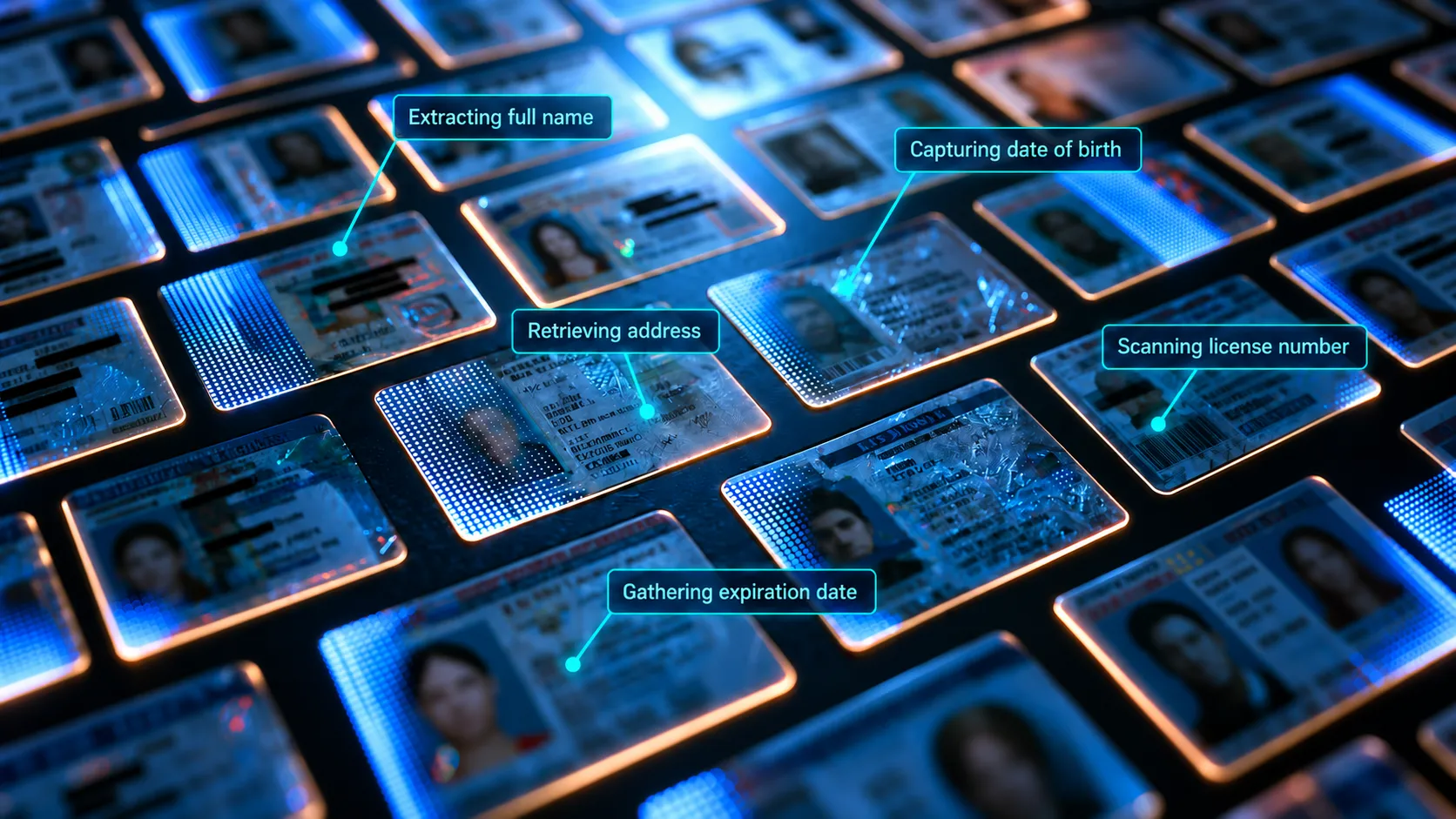
Security researchers and privacy advocates have pointed to this incident as further evidence that the current model of centralised, vendor-held identity verification carries systemic risks that individual businesses relying on these services often underappreciate when selecting third-party verification providers based primarily on cost and integration speed rather than security posture. The breach is likely to intensify scrutiny from regulators in multiple jurisdictions regarding the data security standards required of identity-verification vendors, particularly given that affected individuals typically have no direct relationship with, or even awareness of, the specific verification vendor a business they interacted with may have used to confirm their identity.
The exposure adds to a growing list of significant data security incidents disclosed across the technology sector during the same reporting window, occurring alongside broader industry concerns about AI-assisted cyber operations and coordinated attacks targeting hundreds of organisations globally. For businesses relying on third-party identity verification services, the incident is likely to accelerate conversations about vendor security due diligence, data minimisation practices and the potential merits of emerging decentralised identity verification approaches that avoid concentrating sensitive documents within single centralised repositories, even as such alternative approaches remain considerably less mature and widely adopted than the current vendor-centric verification model.