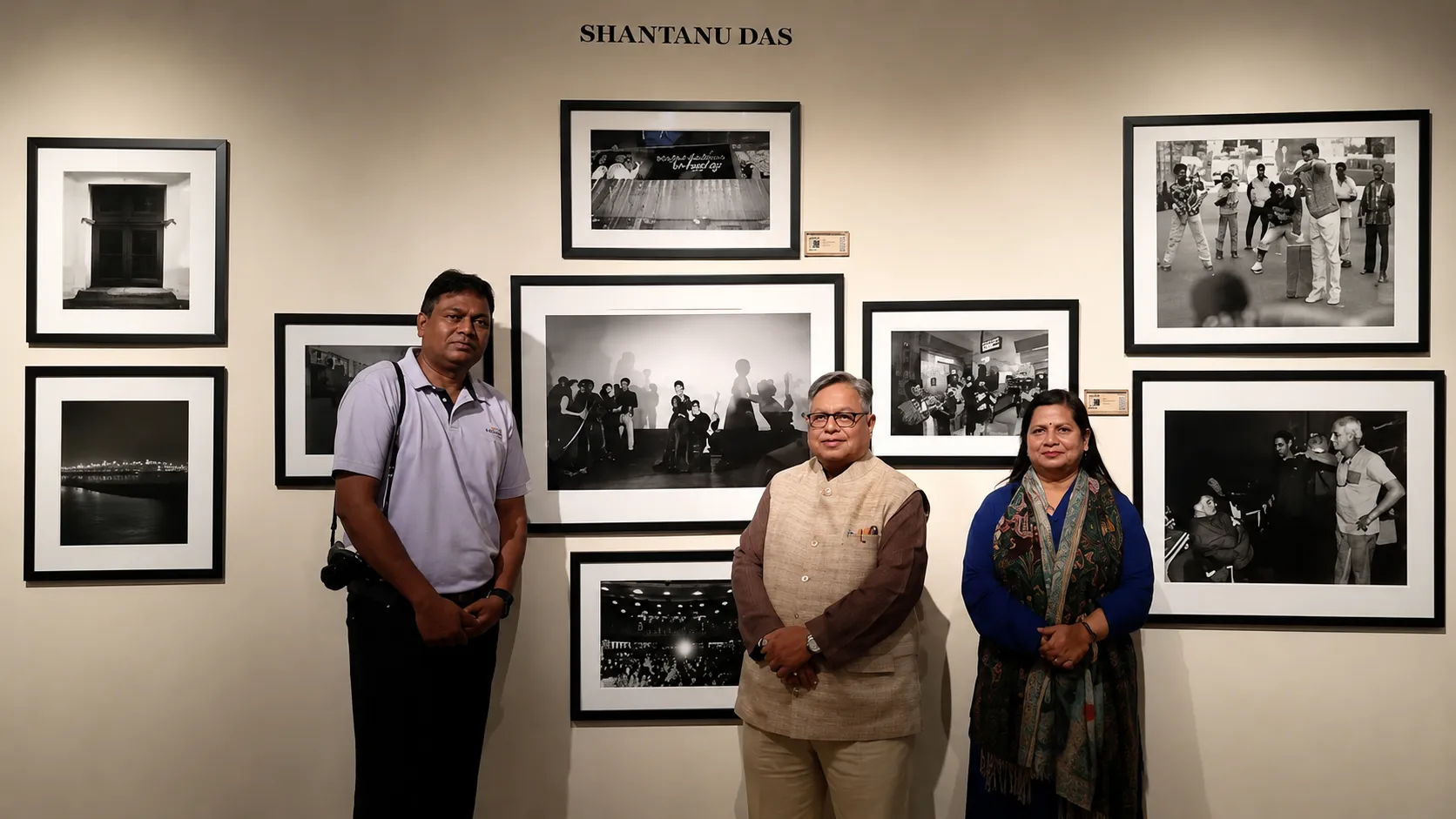
Twenty-five Indian women photographers have come together at the National Gallery of Modern Art in Mumbai for what organisers describe as a landmark first for Indian photography — a collective exhibition spanning documentary, fine-art and experimental practice, curated under ZiiP Foundation's Women in Photography initiative. The Mumbai showcase follows the programme's international debut in the United Kingdom, extending its reach back to the country whose photographic talent it was designed to spotlight in the first place.
The scale of the gathering is itself notable. Group exhibitions dedicated exclusively to women photographers remain relatively rare within India's institutional art calendar, and NGMA Mumbai's decision to host a showcase of this breadth signals a shift in how mainstream cultural institutions are beginning to platform work that has historically been under-represented in curated retrospectives, gallery representation and photography prizes across the country.
The featured photographers work across a striking range of subject matter and technique, from social-documentary practice chronicling everyday Indian life to more conceptual and experimental approaches to the medium. That diversity appears to be central to the initiative's curatorial philosophy: rather than presenting a singular narrative about what constitutes women's photography in India, the exhibition foregrounds the sheer range of perspectives, subject choices and formal experimentation that 25 distinct practitioners bring to a shared medium.
ZiiP Foundation's decision to première the initiative internationally before bringing it home to Mumbai reflects a strategy increasingly common among Indian cultural organisations seeking to build critical and commercial recognition abroad before consolidating institutional support domestically. For participating photographers, international exposure ahead of a home-country showcase can meaningfully shift how their work is subsequently valued, collected and written about within India's own art market.
The broader context for the exhibition is a photography industry — in India as globally — where women have historically faced disproportionate barriers to gallery representation, editorial commissioning and prize recognition, despite constituting a substantial and growing share of practising photographers. Initiatives that aggregate and platform women's work collectively, rather than relying on individual photographers to break through on their own, have proven an effective mechanism for shifting institutional attention in comparable fields such as painting and sculpture.
For NGMA Mumbai, hosting the exhibition also represents a statement about the kind of programming India's flagship modern art institutions are prepared to champion. Whether the Women in Photography initiative becomes a recurring institutional fixture — rather than a single landmark moment — will likely depend on the critical and public reception this Mumbai showcase receives, and on whether it translates into longer-term gallery representation and market recognition for the 25 photographers involved.
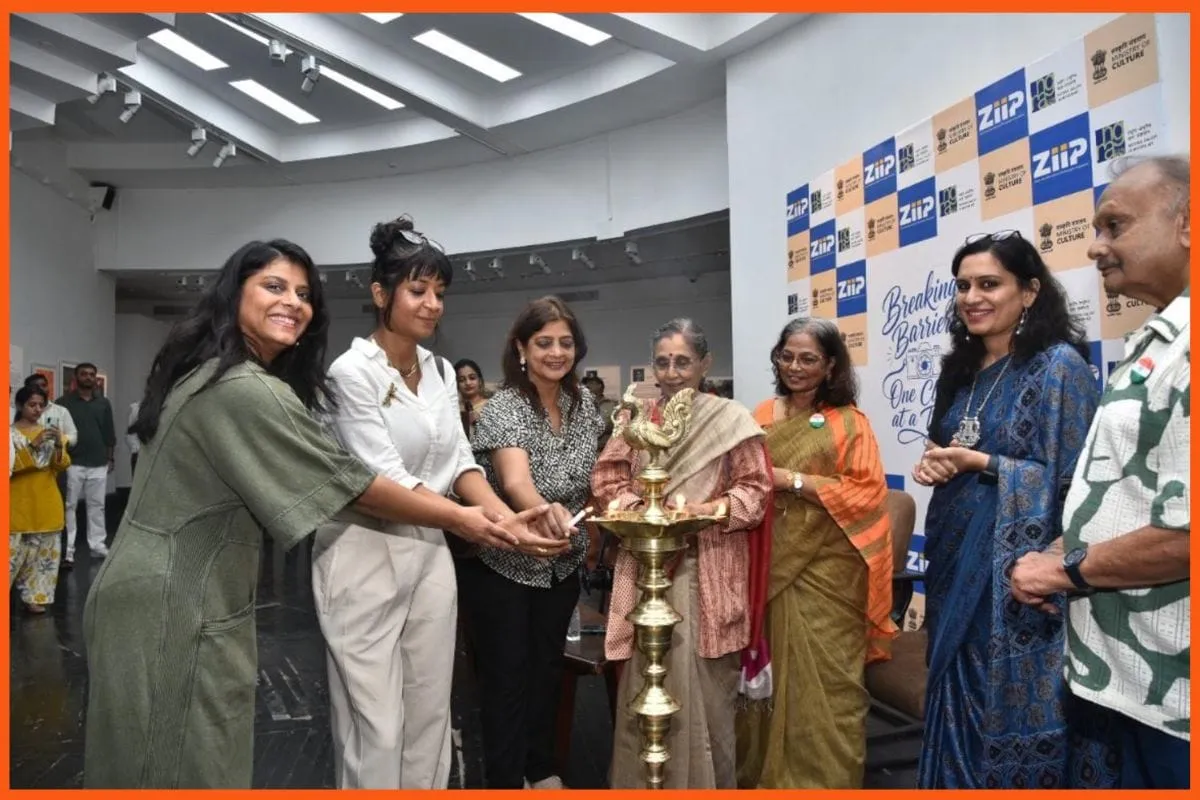
Photography as a medium occupies a somewhat distinct position within India's broader art market compared to painting or sculpture, having historically received less institutional and commercial attention despite the country's rich documentary and artistic photographic tradition stretching back to the earliest decades of the medium's existence globally. That relative institutional neglect has arguably made the underrepresentation of women photographers specifically even more pronounced than in mediums with more established, if still imperfect, mechanisms for recognising female artists.
The curatorial decision to present documentary, fine-art and experimental work side by side, rather than segregating the exhibition by genre or technique, reflects an approach that resists reducing 'women's photography' to a single stylistic or thematic category. Historically, when women artists have been platformed collectively, curatorial framing has sometimes inadvertently suggested a shared sensibility or set of concerns simply by virtue of gender, an approach increasingly critiqued within contemporary curatorial practice for flattening genuine diversity of artistic vision.
ZiiP Foundation's model of building international recognition before consolidating domestic institutional support mirrors strategies used successfully by cultural organisations promoting other underrepresented segments of Indian contemporary art. International exhibition history can meaningfully influence how domestic critics, collectors and institutions subsequently value and engage with an artist's or a cohort's work, a dynamic that reflects broader, sometimes uncomfortable truths about how global art market hierarchies continue to shape recognition within India's own cultural institutions.
For the 25 participating photographers, the exhibition offers more than visibility alone — group shows of this scale and institutional prestige can meaningfully influence subsequent gallery representation, inclusion in private and museum collections, and eligibility for photography grants and fellowships that often require a track record of institutional exhibition history as a prerequisite for consideration.
As India's contemporary art market continues to mature and attract growing collector interest both domestically and among the global diaspora, initiatives like Women in Photography that systematically address historical gaps in representation could play a meaningful role in reshaping which artists and mediums receive sustained institutional and commercial attention over the coming decade, extending well beyond the immediate run of the NGMA Mumbai showcase itself.
The exhibition's timing also coincides with a broader global reassessment of photographic canons, as museums and collecting institutions internationally have begun revisiting and expanding historically male-dominated photographic archives to incorporate previously overlooked women practitioners. India's own photographic history includes numerous women whose contributions have been comparatively under-documented, making initiatives that surface both established and emerging women photographers simultaneously particularly valuable for reshaping the historical record alongside contemporary practice.
Public access and audience engagement will also factor into how the showcase is ultimately remembered. NGMA Mumbai's status as a publicly accessible national institution, rather than a private commercial gallery, means the exhibition reaches audiences well beyond the collector and critic circles that typically engage with contemporary photography exhibitions, potentially introducing a broader Indian public to photographic practice and perspectives they might not otherwise encounter.
The choice of Mumbai as the exhibition's home-country venue also carries significance given the city's status as a hub for both India's commercial photography industry and its contemporary art market more broadly, offering the 25 participating photographers exposure to a concentrated audience of gallerists, collectors and media professionals capable of translating exhibition visibility into longer-term career opportunities.
As the exhibition continues its run, follow-on critical coverage and institutional interest will offer a clearer picture of whether Women in Photography has succeeded in its stated ambition of becoming a genuine landmark moment for Indian photography, rather than simply a well-attended but ultimately transient cultural event.