The Adani Group has committed to invest more than ₹1 trillion, or ₹1 lakh crore, in West Bengal by 2035, in one of the largest private investment pledges made for eastern India in recent years.
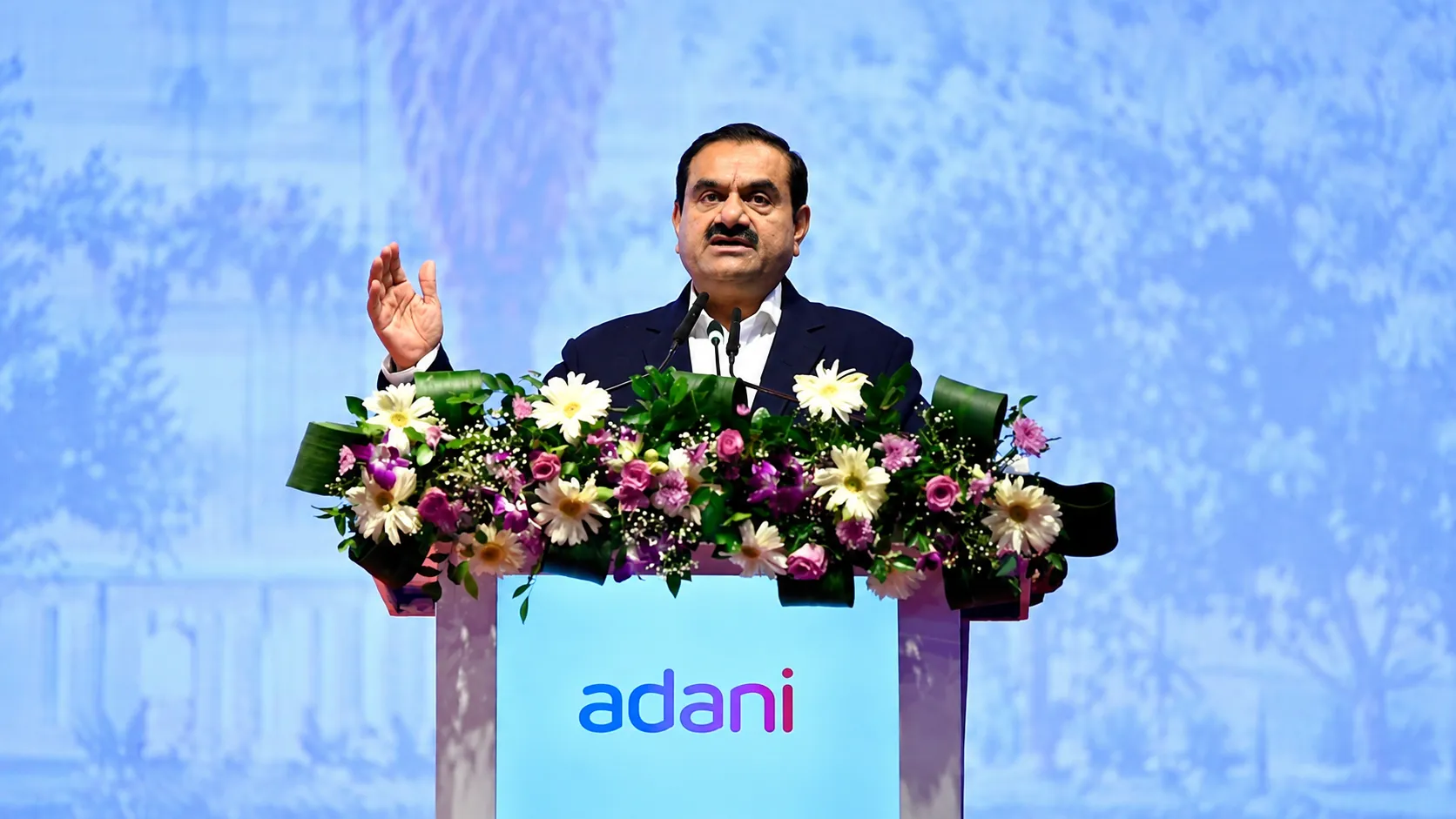
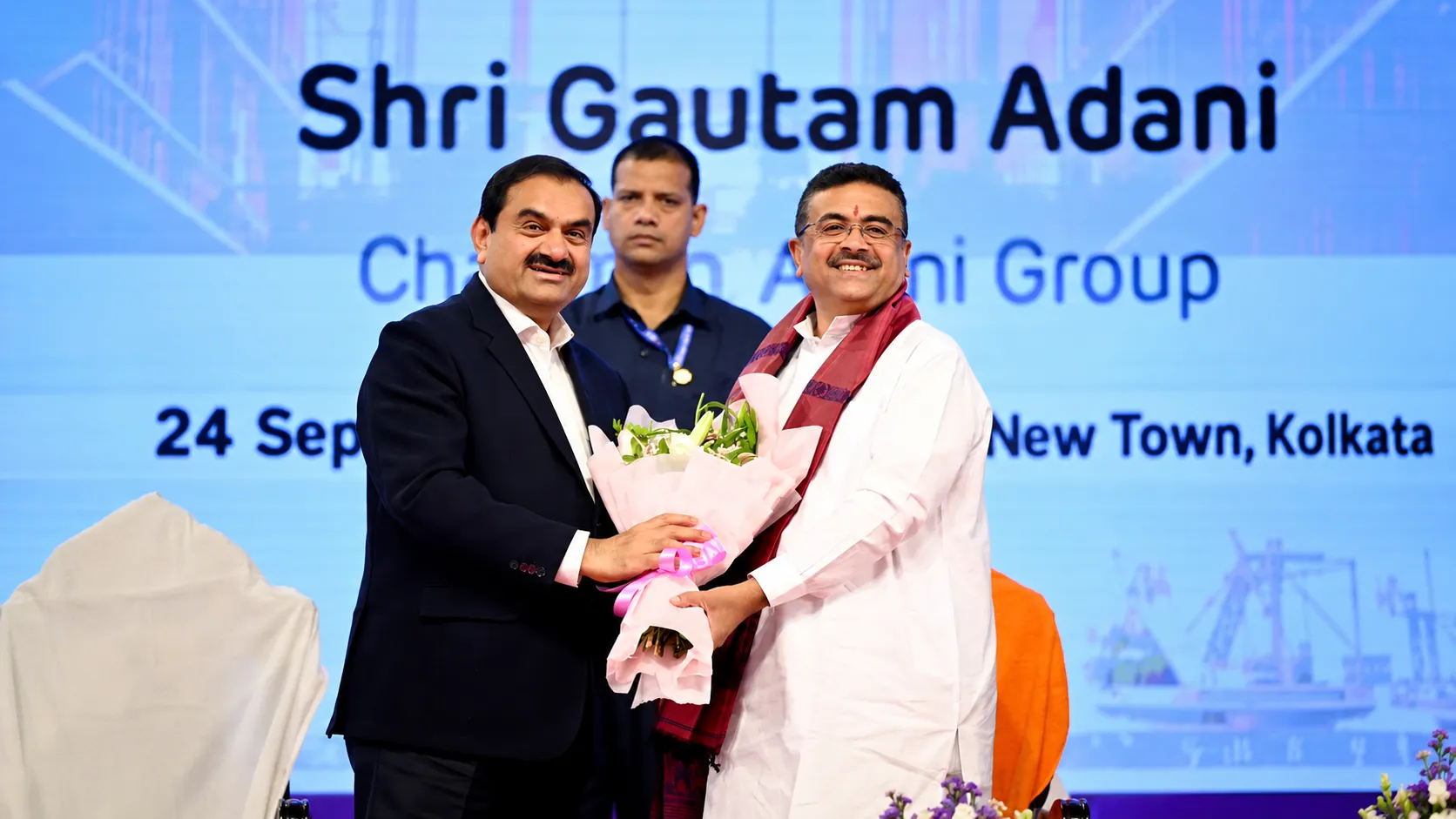
Chairman Gautam Adani announced the plan in Kolkata on Thursday, September 24, after laying the foundation stone for a 2,000-bed hospital in the city's New Town area. The investment will span ports, logistics, power, highways, green cement and data centres, according to reports by StartupTalky and Business Standard.
Adani framed the commitment around the state's geography. He described West Bengal as ideally placed to become "a major gateway and an integrated industrial and economic powerhouse in Asia", pointing to its position between the Bay of Bengal and the industrial regions of eastern and north-eastern India. The state, he said, had "a structural advantage that is unmatched by other regions".
A hospital as the first marker
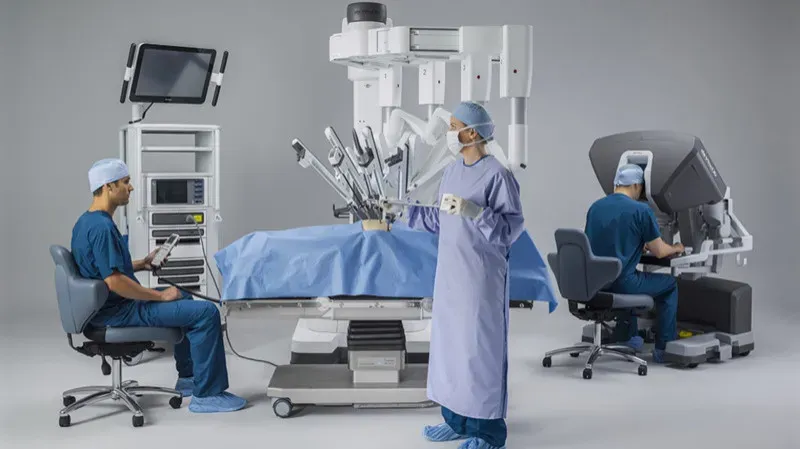
The first project under the new commitment is a healthcare facility. The group's planned Adani Arogya Mandir will be a 2,000-bed multi-specialty hospital built at an investment of more than ₹4,000 crore, according to StartupTalky.
The hospital will be located in the Bengal Silicon Valley Tech Hub in New Town, Kolkata, on a 51.75-acre site. Beyond general hospital care, the campus is planned to include step-down units and transitional care facilities for patients who need continued support after acute treatment, along with a medical college and research facilities.
Choosing a hospital as the anchor project is notable. Large infrastructure pledges often begin with ports or power plants. Starting with healthcare gives the group a visible, public-facing project that serves residents directly and signals a long-term presence in the state.
Eastern India has historically had fewer large tertiary-care hospitals per capita than the southern and western states, and patients from the region have often travelled to cities such as Chennai, Vellore, Hyderabad and Bengaluru for specialised treatment. A large multi-specialty campus with a teaching hospital attached could help keep more of that demand, and the associated spending, within the region, while adding to the supply of trained doctors and nurses.
Beyond infrastructure: heritage and culture
The group also announced a set of cultural and heritage initiatives in the state. These include the restoration of Writers' Building, the historic red-brick building in Kolkata that served for decades as the seat of West Bengal's state secretariat, and the rehabilitation of Kumartuli Ghat. Kumartuli is the Kolkata neighbourhood famous for its idol-makers, whose clay figures are central to the city's Durga Puja celebrations.
Adani also referred to an initiative called the Durga Puja Adani Preview, aimed at promoting the festival globally. Durga Puja in Kolkata was inscribed on UNESCO's list of the Intangible Cultural Heritage of Humanity in 2021, and it draws visitors from across India and abroad each year.
These announcements carry political as well as commercial weight. Heritage restoration and cultural promotion help a company build goodwill in a state where public opinion on large business groups has at times been sceptical.
The sectors in focus
The sectors named in the plan closely match the Adani Group's core businesses.
Ports and logistics are the group's founding strength. Adani Ports and Special Economic Zone is India's largest private port operator, with terminals on both the west and east coasts. A larger presence in West Bengal would add to its eastern network and strengthen links to the landlocked north-eastern states, as well as to neighbouring Nepal, Bhutan and Bangladesh.
Power is another major pillar, spanning thermal generation, transmission and renewable energy. Eastern India's rising electricity demand, driven by urbanisation and industrial growth, makes it a natural area for expansion.
Highways reflect the group's growing role in road construction under public-private partnership models, while green cement links to its more recent entry into the cement business through acquisitions.
Data centres are the most forward-looking element. The group has been investing heavily in AI-ready data centre capacity through its joint venture with EdgeConneX, and eastern India currently has far less data centre capacity than hubs such as Mumbai, Chennai and Hyderabad. A Kolkata presence could serve demand for low-latency computing in the east and north-east.
Why West Bengal, and why now
West Bengal has spent much of the past two decades trying to rebuild its reputation as an investment destination. The state has a large consumer market, a major port city and a strategic location, but it has struggled to attract large-scale manufacturing and infrastructure investment compared with states such as Gujarat, Maharashtra and Tamil Nadu.
A pledge of this size from one of India's largest conglomerates will be welcomed by the state government, which has been courting investors through its annual business summits.
For the Adani Group, the move fits a broader strategy of committing large sums to individual states. The group has announced major multi-year investment plans in several states in recent years, often tied to its core infrastructure businesses. These plans reflect both India's infrastructure needs and the group's appetite for long-horizon, capital-intensive projects.
The execution question
Large headline commitments are one thing; delivery is another. A pledge of more than ₹1 trillion spread over roughly a decade will depend on land acquisition, environmental and regulatory approvals, financing conditions and political continuity.
Financing will be an important variable. Global borrowing costs have risen sharply, with US 10-year Treasury yields reaching their highest level since 2007 on the same day the plan was announced. Infrastructure projects are highly sensitive to interest rates, and the cost of capital will shape how quickly projects move from announcement to construction.
The hospital, with a defined site, budget and scope, will be the first measurable test. How quickly it moves from foundation stone to operation will offer an early indication of how seriously the wider commitment will be pursued.
What it means for eastern India
If even a substantial portion of the plan is delivered, the impact on West Bengal's economy could be significant: new port and logistics capacity, more reliable power, better roads, digital infrastructure and thousands of jobs, both in construction and in long-term operations.
For the Indian diaspora with roots in Bengal, and for investors watching India's regional growth story, the announcement is a signal that eastern India is increasingly on the radar of the country's largest business groups. The next few years will show whether that attention turns into lasting change.