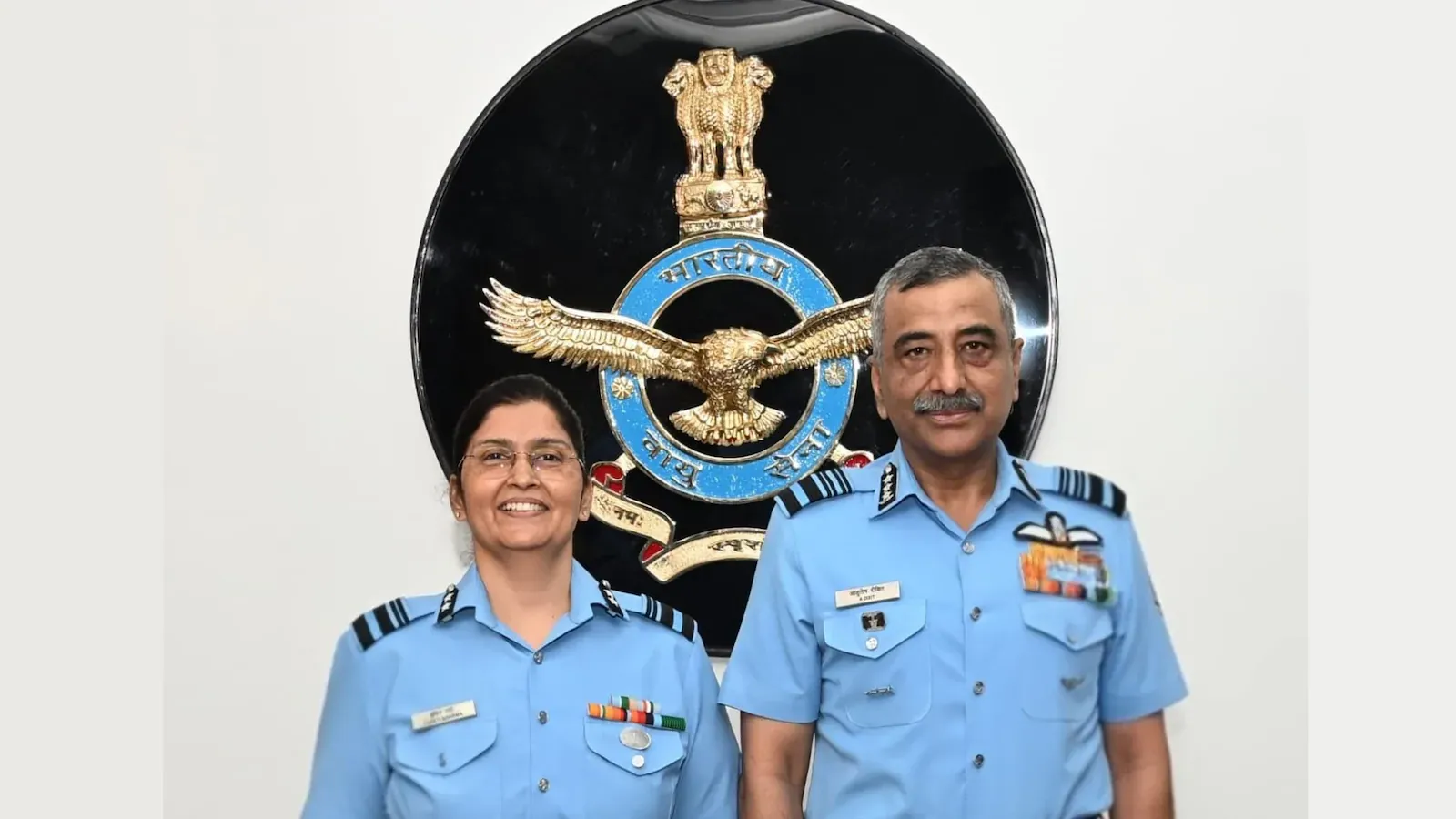
In a historic milestone for India's armed forces, Air Vice Marshal Shakti Sharma has become the first woman officer in the non-medical stream to attain the rank of air vice marshal or equivalent across the country's military services. She has assumed the appointment of assistant chief of the air staff for education at Air Headquarters, a role that places her at the centre of shaping training and educational policy for one of the world's largest air forces at a genuinely senior leadership level.
The air officer previously held the rank of air commodore before her promotion, a progression that reflects a career built over decades within the Indian Air Force's non-medical officer cadre, historically one of the more difficult pathways for women officers to advance through given its combination of technical, administrative and command responsibilities. Her elevation to air vice marshal breaks new ground specifically because previous instances of women reaching flag rank in India's armed forces had, until now, been concentrated in the medical services stream, where women officers have had a longer and more established history of senior advancement.
India's armed forces have gradually expanded opportunities for women officers over the past two decades, moving from initial short-service commissions with limited scope for long-term career progression toward permanent commissions that allow women to compete for command postings and senior leadership roles on more equal footing with their male counterparts. Air Vice Marshal Sharma's promotion represents a tangible marker of how far that structural shift has progressed within the Indian Air Force specifically, even as debates continue across India's broader defence establishment about the pace and scope of further reform.
The significance of her appointment extends beyond personal achievement. As assistant chief of the air staff for education, she now holds direct influence over how the next generation of Indian Air Force officers, both men and women, are trained and educated, a position with long-term structural implications for how inclusive and merit-based the institution's culture becomes over time. Officers who have served alongside her have pointed to her appointment as a signal that technical and administrative excellence, not gender, is increasingly the deciding factor in senior promotion decisions within the service.
Her career trajectory offers a data point in a broader, ongoing conversation about representation of women in India's defence and security establishment, a sector that has historically lagged behind many civilian government and private sector institutions in terms of senior female leadership. While India has seen women officers achieve prominent roles in ceremonial and operational contexts in recent years, including fighter pilot postings and parade leadership, sustained advancement into genuine flag-rank policy and command roles has remained comparatively rare.
Defence analysts note that promotions of this nature carry symbolic weight well beyond the individual officer, functioning as visible proof points that can influence recruitment and retention of women within the armed forces more broadly. Young women considering a career in the Indian Air Force's non-medical technical and administrative branches now have a concrete example of a peer who has risen to genuinely senior institutional leadership, rather than remaining confined to more traditionally accessible medical or support roles.
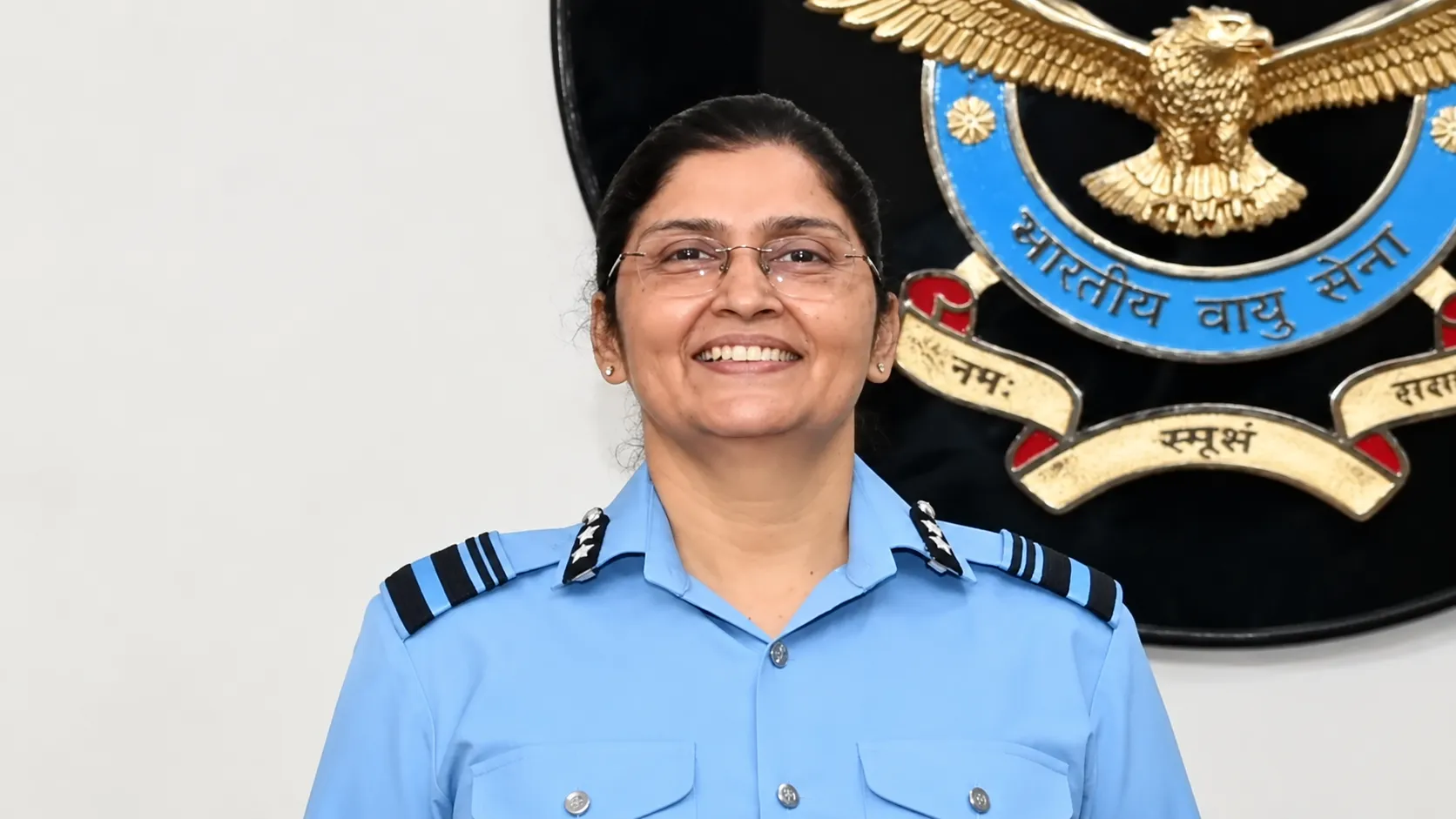
The Indian Air Force has, in recent years, expanded the range of roles open to women officers, including combat aviation positions that were previously restricted, alongside gradual increases in the proportion of women eligible for permanent commissions across multiple branches. Air Vice Marshal Sharma's promotion arrives against this backdrop of incremental but sustained institutional change, offering a concrete marker of progress that advocates for greater gender parity within India's defence services are likely to cite as evidence that structural reform, while slow, is producing tangible results.
As India's armed forces continue to navigate broader questions around modernisation, recruitment and organisational culture, Air Vice Marshal Shakti Sharma's rise to flag rank stands as a landmark moment, one that both reflects the institution's gradual evolution and sets a new reference point for what career advancement can look like for women officers across the non-medical streams of India's military services in the years ahead.
Institutional culture within India's armed forces has historically evolved gradually, with meaningful shifts in senior representation typically taking years to translate from formal policy changes, such as the introduction of permanent commissions for women, into actual flag-rank promotions, given the lengthy career timelines required to reach such senior positions within a rigidly structured military hierarchy.
Air Vice Marshal Sharma's specific portfolio, overseeing education policy for the Indian Air Force, places her in a position to potentially influence how future generations of officers, across both genders, are trained and evaluated, offering a structural lever for embedding more consistently merit-based advancement criteria throughout the institution over the coming years.
For India's broader public discourse around gender representation in leadership roles across government, defence and corporate institutions, milestones of this nature continue to serve as important, closely watched reference points, offering tangible evidence that structural barriers to women's advancement into senior institutional leadership, while still substantial, are gradually eroding across even India's most traditionally hierarchical and conservative institutions.
Looking ahead, Air Vice Marshal Sharma's continued tenure in her new role will be closely watched by both current serving women officers and prospective recruits as a live indicator of how meaningfully the Indian Air Force's institutional culture has shifted toward genuinely merit-based advancement. Her trajectory adds to a slowly but steadily growing roster of women reaching senior command and policy roles across India's broader defence establishment.
For readers following gender representation across India's institutions, Air Vice Marshal Sharma's promotion stands alongside a small but growing set of milestones illustrating that India's most traditionally hierarchical institutions, including its armed forces, are capable of genuine structural change when sustained policy reform is paired with individual officers' sustained career excellence over decades of service.
It is also worth noting that the Indian Air Force's gradual expansion of combat aviation and command roles open to women officers over the past decade has created a broader pipeline of experienced women officers now approaching the seniority required for flag-rank consideration, suggesting Air Vice Marshal Sharma's promotion, while historic, may be followed by additional similar milestones as this pipeline continues to mature over the coming years.