Airbnb and India's Ministry of Tourism have signed a two-year memorandum of understanding (MoU) to strengthen the country's homestay economy and promote emerging travel destinations. The agreement, announced on 28 September 2026, commits the two sides to host training, digital onboarding of homestay owners and joint promotion of places that sit outside India's familiar tourist circuits.
The partnership pairs a global booking platform with a government that has made rural and community-based tourism a policy priority. For homestay owners in hill villages, tribal districts and small heritage towns, it could offer something that has often been missing: practical help in turning a spare room into a professional, bookable business.
What the agreement covers
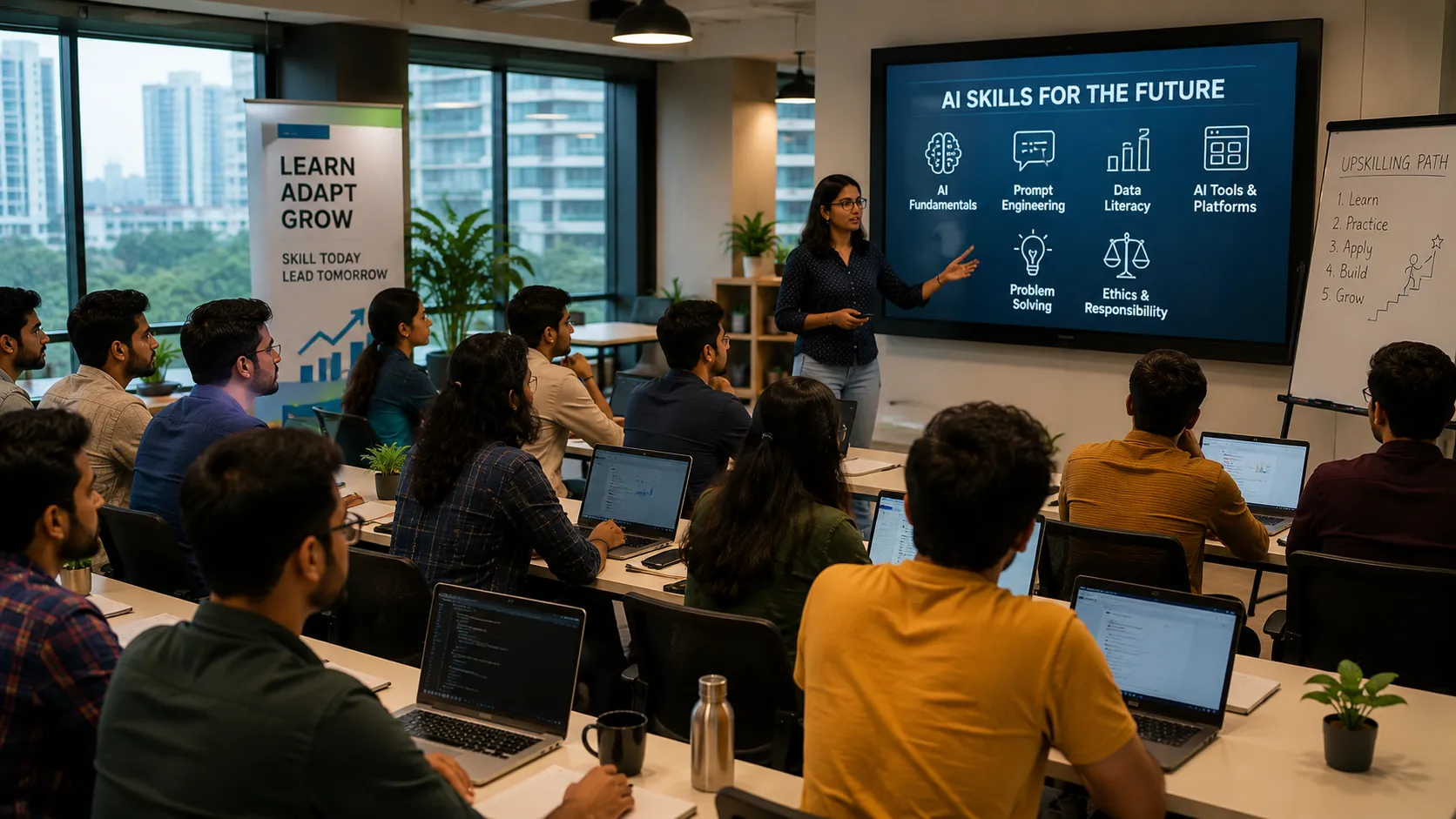
The MoU sets out several areas of collaboration. Airbnb and the ministry will run host training workshops and develop training resources together. The programme will cover digital onboarding, listing creation, pricing and use of platform tools, as well as hospitality practices such as guest communication, safety and service standards.
The two sides will also work on destination promotion. Airbnb is launching a "Soul of India" digital microsite to showcase destinations and cultural heritage, and the partners have agreed to jointly identify specific programmes and places for implementation. The effort is designed to align with the government's long-running "Incredible India" campaign.
The focus is explicitly on lesser-known and emerging destinations, rather than on cities and resort towns that already attract large volumes of visitors.
The ministry's view
Union Minister for Tourism and Culture Gajendra Singh Shekhawat linked the agreement to changing traveller preferences.
"India's tourism landscape is evolving rapidly, with travellers increasingly seeking authentic experiences," he said.
That shift has been visible for several years. Domestic travellers, in particular, have shown growing interest in staying with local families, eating regional food and experiencing village life, rather than booking a standard hotel room. The trend was accelerated during the pandemic, when road trips to nearby rural areas replaced international travel for many urban Indians, and it has persisted since.
Airbnb's interest in India
For Airbnb, India is a large and still under-penetrated market. Its supply in the country has historically been concentrated in urban apartments and holiday destinations such as Goa and the Himalayan foothills. Expanding into emerging destinations requires a pipeline of hosts who meet the platform's expectations, and many potential hosts in smaller towns have never listed a property online.
"India's tourism sector continues to evolve, with growing demand for authentic, community-led travel experiences," said Amanpreet Bajaj, Airbnb's country head for India and Southeast Asia.
A partnership with the ministry gives Airbnb credibility with local communities and state tourism departments, as well as access to government programmes that can identify and support potential hosts. For the government, it offers access to a global distribution channel and the platform's data on what travellers search for and book.
Why homestays are a policy priority
Homestays sit at the intersection of several government objectives. They create income in areas with few jobs outside farming. They spread tourism revenue beyond a handful of crowded destinations. And they require relatively little capital compared with building hotels, because they make use of homes that already exist.