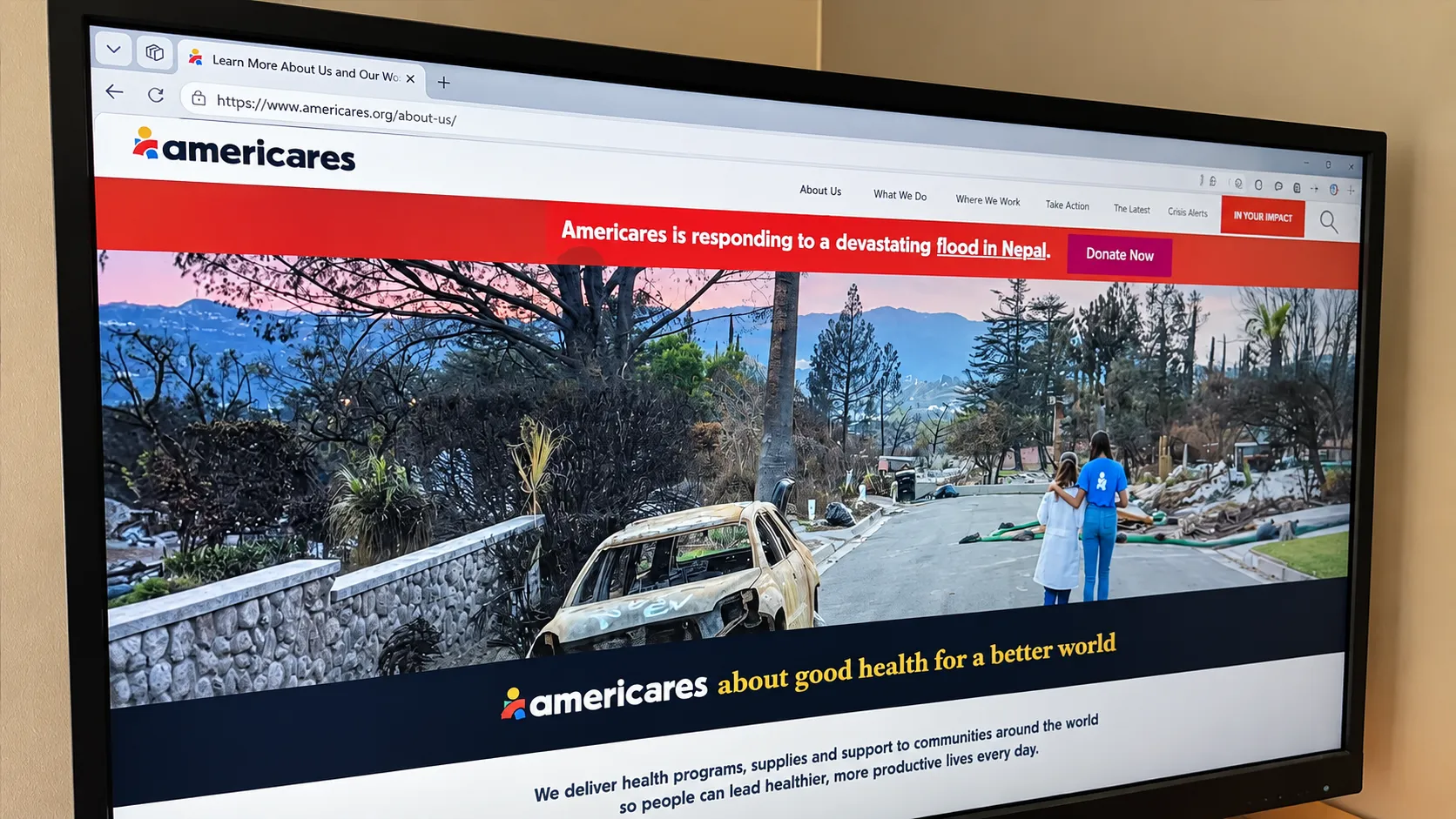
Americares, the Connecticut-based nonprofit that supports thousands of health centres and clinics around the world, announced on September 9 that it has received a $50 million gift from an unidentified Connecticut family — the largest single donation in the organisation's history. The gift, confirmed in reporting through September 11, arrives at a moment when the organisation says sudden and sweeping US foreign-aid cuts have disrupted programmes ranging from maternal and child health to HIV treatment and prevention across the countries it serves.
Christine Squires, President and Chief Executive Officer of Americares, said of the donor family that they clearly understood the moment and wanted to do more to respond to it — framing the gift as a direct answer to a funding gap that has opened up across the global health sector following reductions in US government aid spending over the past year. The scale of the donation, described by the organisation as an unusual expansion of its resources at a time when many peer nonprofits have been forced to scale back operations, positions Americares to absorb at least part of the shortfall left by retreating government funding in some of the regions it serves.
The disruption Americares is responding to reflects a broader structural shift underway across global health financing. Multiple analyses published over the past year have characterised the decline in traditional Western donor funding not as a temporary or cyclical downturn but as a longer-term transition, with domestic resource mobilisation, blended finance and private philanthropy increasingly expected to fill gaps that government aid budgets previously covered. That shift has placed unusual pressure on organisations focused on frontline healthcare delivery, particularly those working in maternal and child health, HIV treatment, and other programme areas that depended heavily on predictable, multi-year government funding commitments.

Americares has built its model around supporting existing health infrastructure in under-resourced settings — delivering medicine, medical supplies and disaster relief through a global network of partner health centres and clinics rather than establishing entirely new parallel healthcare systems. That approach has historically allowed the organisation to scale its impact relatively efficiently by working through established local providers, but it also means the organisation's effectiveness depends heavily on the continued operational viability of those partner facilities — many of which have themselves faced funding pressure as government aid budgets have contracted.
The timing and scale of the $50 million gift is notable within the broader philanthropic sector, where major individual and family gifts of this size to global health organisations remain relatively rare outside of a small number of large, well-known foundations. The decision by an anonymous family to direct such a substantial sum specifically toward Americares, rather than toward a larger, more institutionally established global health funder, suggests a degree of confidence in the organisation's operational model and its ability to deploy capital quickly and effectively in response to an acute funding gap.
For the communities Americares serves, the practical impact of the gift will likely depend heavily on how quickly the organisation can translate the funding into expanded medicine deliveries and support for partner health centres facing the most acute funding shortfalls. Organisations working in this space have noted that speed of deployment often matters as much as total funding volume when responding to sudden aid disruptions, since health facilities facing immediate supply shortages or staffing gaps cannot always wait for longer-cycle grant processes to conclude.
The broader global health financing landscape remains under considerable strain heading into the final months of 2026, with philanthropic capital increasingly described by sector analysts as agenda-setting in areas such as innovation and digital health, even as it faces growing scrutiny around equity, transparency and measurable impact. Americares' record gift offers one data point in a sector-wide effort to determine whether private philanthropy can meaningfully substitute for the scale and predictability that government aid budgets have historically provided — a question likely to remain unresolved for some time as the structural shift in global health financing continues to play out.