India's government is backing an idea that challenges the business model of the world's biggest ride-hailing companies: a taxi platform owned by its drivers.
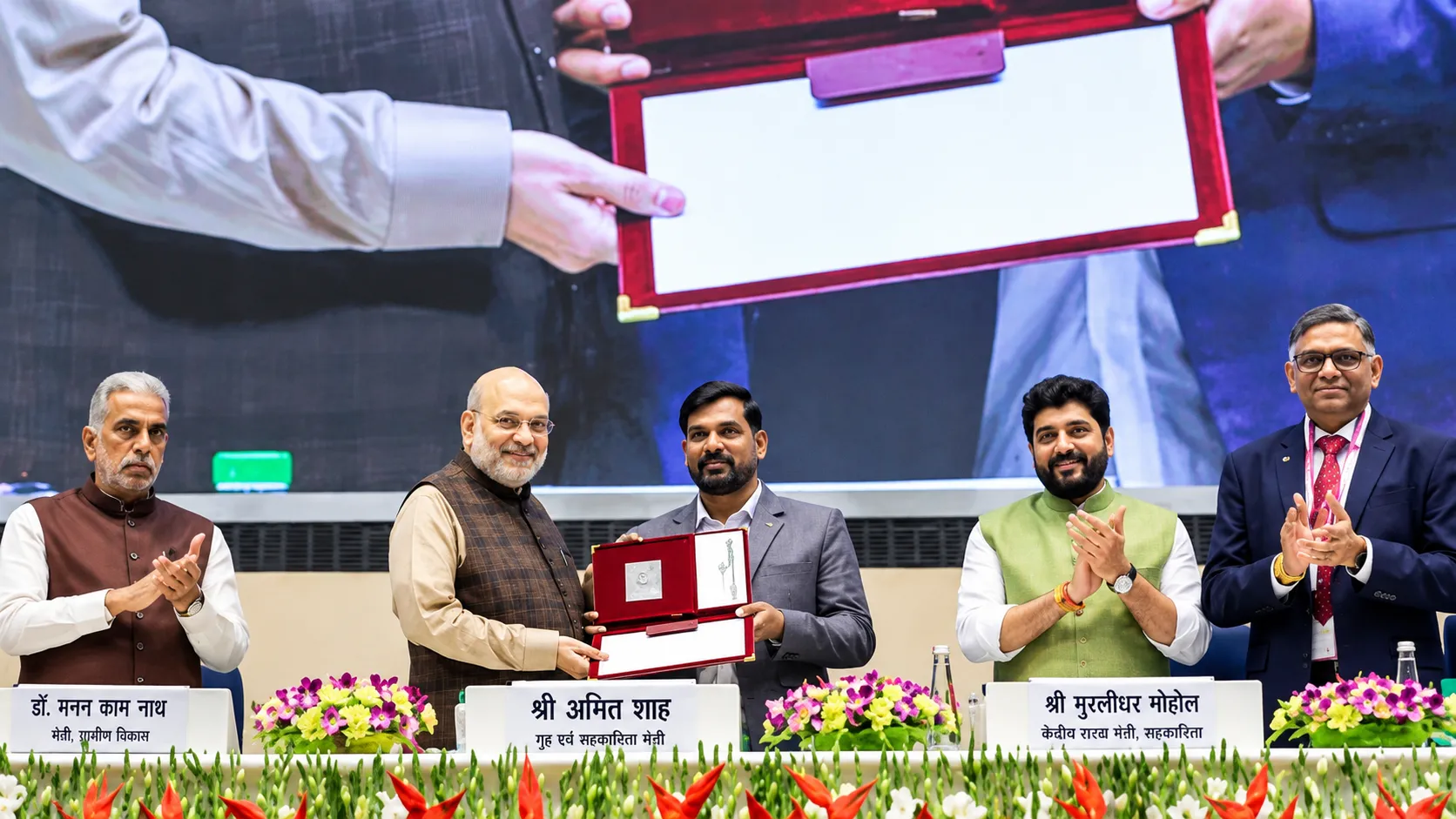
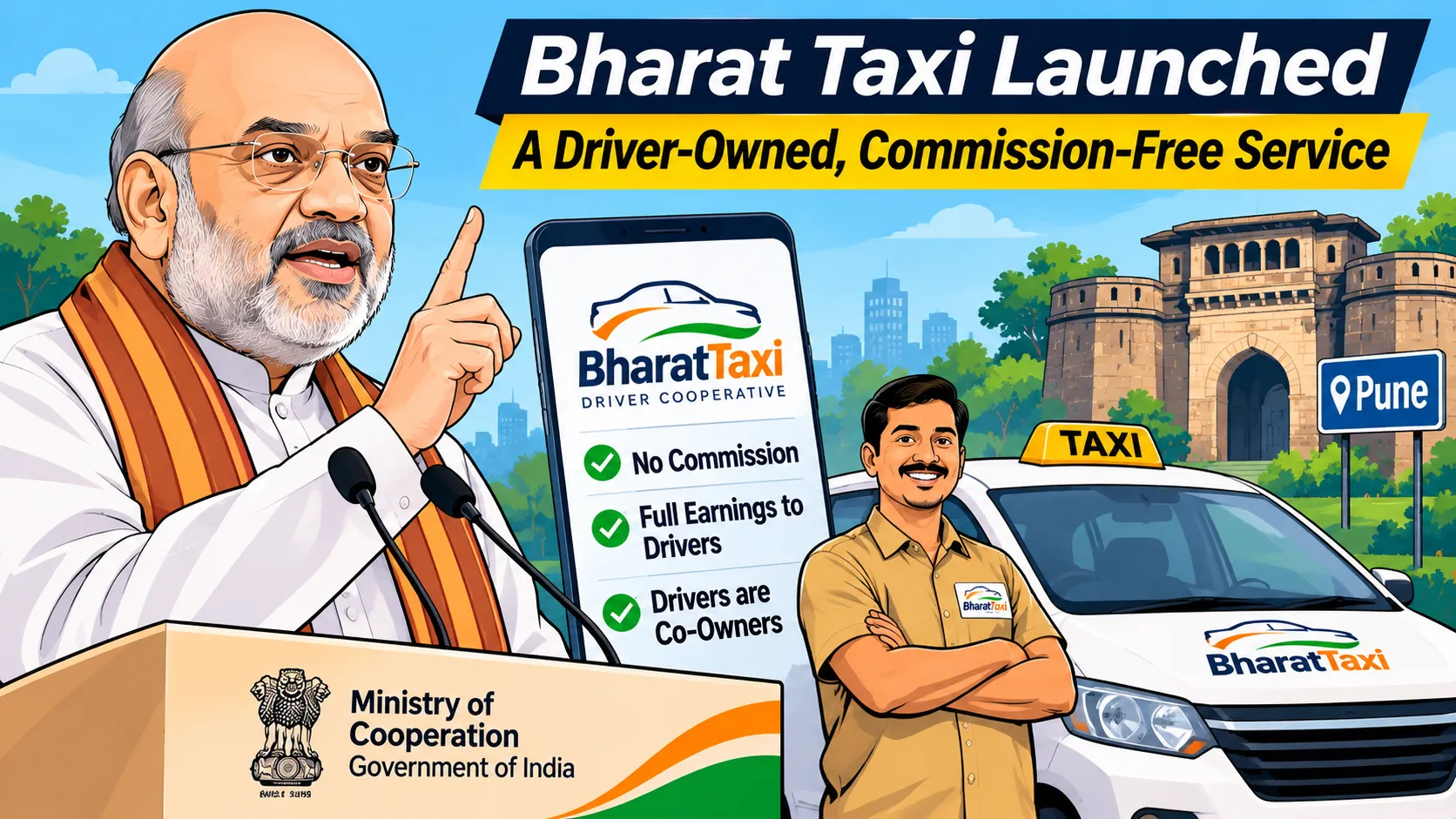
Union Home and Cooperation Minister Amit Shah launched Bharat Taxi, a cooperative-based taxi service, in Pune, according to Organiser, which reported the event on November 16. Under the model, drivers, who are called Sarathis, keep their full earnings, with fares credited directly to their bank accounts and no commission deducted.
Share certificates were presented to Bharat Taxi drivers at the event, making them members and co-owners of the cooperative. Shah asked that the service be introduced next in Nagpur, Nashik, Kolhapur and Solapur, as part of plans to expand across the country.
Why commission matters
Ride-hailing platforms such as Uber, Ola and Rapido typically earn money by taking a share of each fare, or by charging drivers subscription fees. Drivers have long complained that commissions, combined with rising fuel costs and vehicle expenses, leave them with thin earnings, and protests over pay and working conditions have been common in Indian cities.
A commission-free model promises drivers a larger share of the money passengers pay. For passengers, the question will be whether a cooperative platform can match the convenience, reliability and coverage of established apps.
The cooperative model
Cooperatives are businesses owned and controlled by their members, who share in their profits and decision-making. India has a long tradition of cooperatives, most famously in dairy, where Amul transformed milk production, as well as in fertilisers, sugar and banking.
The Ministry of Cooperation, created in 2021 and headed by Shah, has sought to extend the cooperative model into new sectors, including taxis, insurance and exports. Bharat Taxi applies the model to the gig economy, where workers typically have little ownership or bargaining power.
Reviving a heavy engineering cooperative
At the same event, Shah announced the revival of the National Heavy Engineering Cooperative (NHEC) at Talegaon Dabhade in Pune district, which sits on about 110 acres, according to Organiser.
The National Dairy Development Board took over as administrator and two years of pending audits were completed. Investors in the revival include Amul, NDDB, the National Cooperative Development Corporation, IFFCO, NABARD and IPL, according to the report. A letter of intent was exchanged between NHEC and IDMC Limited.
NHEC plans to manufacture sugar mill machinery, power generation plants for sugar mills, compressed biogas plants, dairy equipment and export containers. A second phase would add containers for the railways and defence. Shah said production is expected to start before December 2027.
Historically, NHEC exported sugar mills to 11 countries, and its order book was once so strong that new orders could take about four years to deliver, according to the report.
Support for cooperatives
Shah also cited about ₹15,000 crore in relief for cooperative sugar mills and income tax relief of about ₹3,000 crore a year for cooperatives, according to Organiser. A Western Regional Office of the Central Registrar of Cooperative Societies was opened in Pune, covering Maharashtra, Gujarat, Goa, Dadra and Nagar Haveli, and Daman and Diu. These figures are the minister's claims as reported.
Can a cooperative compete?
The ride-hailing market is fiercely competitive, and established platforms have invested heavily in technology, marketing and driver and passenger incentives. Building a reliable app, ensuring enough drivers are available to keep waiting times short, and handling payments, safety and customer support all require significant investment and operational expertise.
Cooperatives face particular challenges in raising capital, since they cannot easily sell shares to outside investors. Decision-making can also be slower when many members must be consulted. However, government backing and support from large cooperative institutions could help Bharat Taxi overcome some of these hurdles.
Similar driver-owned models have been tried in other countries, with mixed results. Some cooperatives have built loyal followings by offering drivers better pay and passengers lower prices, while others have struggled to compete with the scale of global platforms.
The gig economy debate
The launch comes amid a broader debate in India about the rights of gig workers. Several states have introduced or proposed laws to provide social security and welfare benefits for platform workers, and the central government has included gig workers in its labour codes. Drivers' unions have pushed for minimum fares, transparency in algorithms and caps on commissions.
A successful cooperative model could put pressure on commercial platforms to improve terms for drivers. It could also offer a blueprint for other gig sectors, such as food delivery and home services.
Impact on drivers
For drivers, ownership and full fare retention could mean significantly higher incomes, especially in cities where commissions take a large share of each ride. Owning a share in the cooperative could also give drivers a say in how the platform is run, including fare policies and working conditions.
The impact will depend on how many passengers use the service. Drivers need enough rides to earn a living, and a platform with few users would offer limited benefits regardless of its commission policy.
The technology challenge
Running a ride-hailing service at scale requires sophisticated technology for matching riders and drivers, pricing, navigation, payments and safety. Established platforms have spent years refining their algorithms and building data on traffic and demand patterns. A new cooperative platform will need comparable technology to deliver a competitive service, either by building it or partnering with technology providers.
Safety features, such as driver verification, ride tracking and emergency support, will be particularly important for winning passengers' trust.
Transport experts say the success of such models often depends on local execution, including how quickly drivers are onboarded, how fares are set and how disputes are resolved. Pune, with its large population of students and professionals and heavy demand for app-based rides, offers a demanding first test for the cooperative.
For the government, the initiative also carries political significance, as it seeks to show that cooperatives can deliver modern services and better livelihoods for workers in fast-growing urban economies.
What comes next
The success of Bharat Taxi will depend on its ability to attract passengers and drivers in Pune and expand to other cities. Investors in India's ride-hailing sector, and drivers across the country, will watch closely to see whether a government-backed cooperative can become a serious competitor in one of the most competitive segments of the digital economy.