ImpactImpact in Motion Diaspora5 MIN READ

Arvind Opens ₹150 Crore Garment Plant in Varanasi With 1,000-Plus Jobs as PM Modi Pushes Textile Manufacturing in Eastern Uttar Pradesh

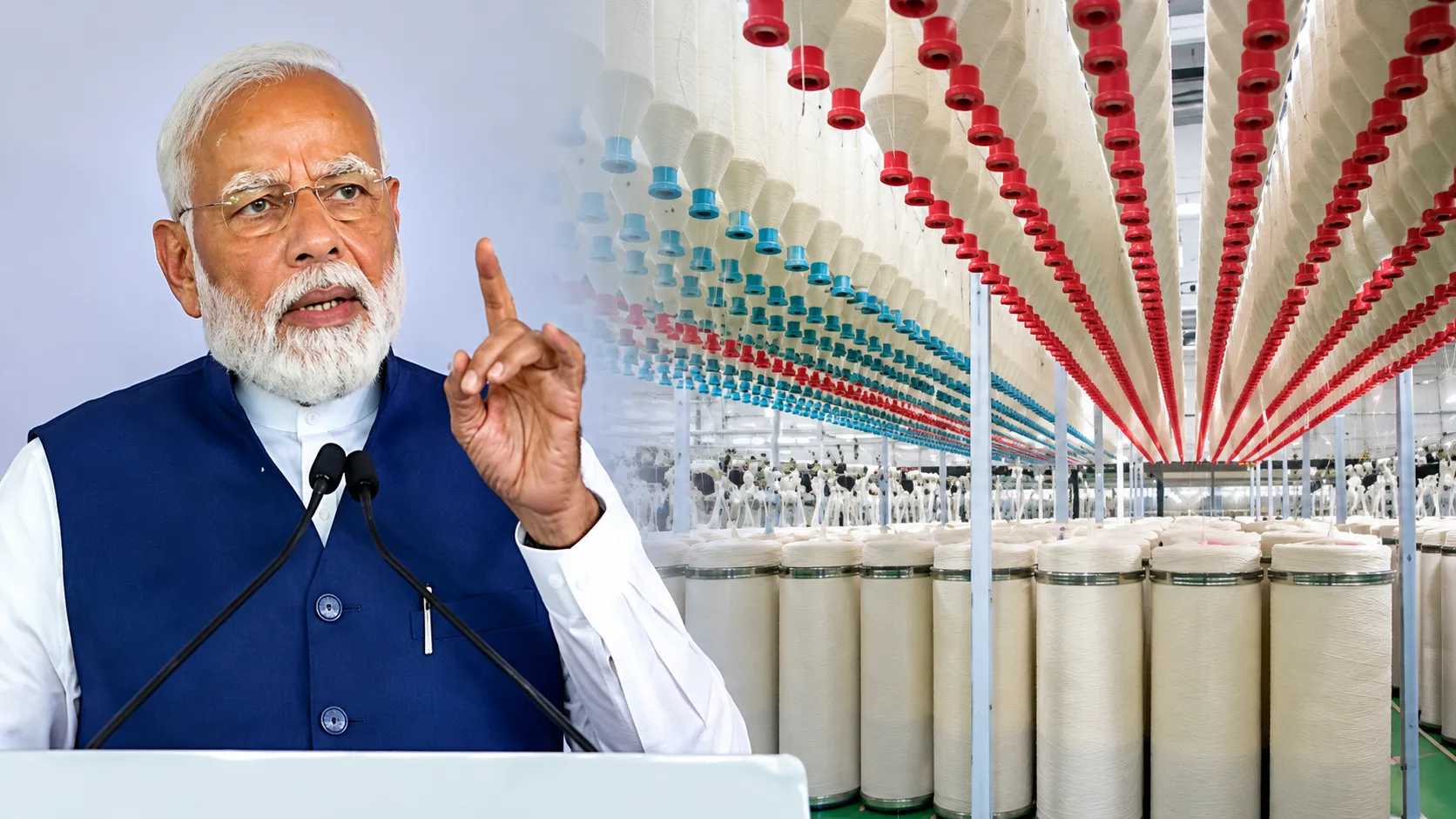
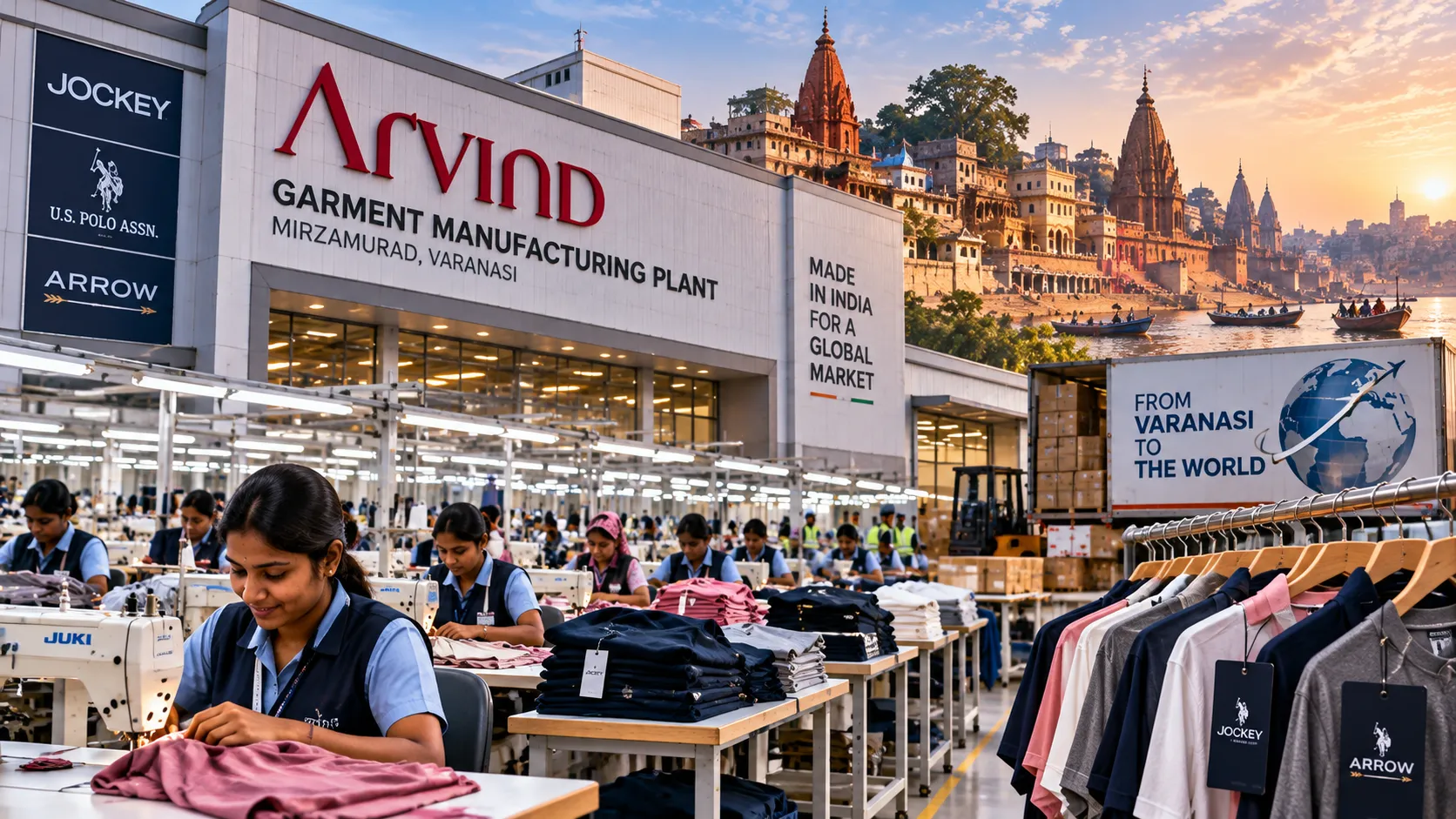
Prime Minister Narendra Modi on October 25 inaugurated Arvind Ltd's ₹150 crore first-phase garment manufacturing plant at Mirzamurad near Varanasi, which will create more than 1,000 jobs and make apparel for brands including Jockey, US Polo Assn. and Arrow. A second phase is backed by a ₹600 crore share placement, as the Ahmedabad-based textile group expands under the production-linked incentive scheme.

By Prathista Lazar · Author26 October 2026New
Arvind Opens ₹150 Crore Garment Plant in Varanasi With 1,000-Plus Jobs as PM Modi Pushes Textile Manufacturing in Eastern Uttar Pradesh

A new garment factory near Varanasi is bringing large-scale manufacturing jobs to one of India's most populous and least industrialised regions, as the government pushes to expand labour-intensive industries beyond traditional hubs.

Prime Minister Narendra Modi on Sunday, October 25, inaugurated the first phase of Arvind Ltd's garment manufacturing plant at Mirzamurad, near Varanasi in eastern Uttar Pradesh. The ₹150 crore facility is expected to create more than 1,000 jobs.

The plant will produce apparel for well-known brands, including Jockey, US Polo Assn. and Arrow, serving both domestic and international markets.

A second phase planned

Arvind plans a second phase of expansion at the site, backed by a ₹600 crore share placement, which would significantly increase capacity and employment.

The investment is supported by the government's production-linked incentive (PLI) scheme for textiles, which offers financial incentives to companies that invest in manufacturing and meet production targets. The scheme aims to boost India's share of global textile and apparel exports and create jobs.

Why garments matter for jobs

Garment manufacturing is one of the most labour-intensive industries, employing large numbers of workers per unit of investment. A ₹150 crore investment creating more than 1,000 jobs illustrates this: comparable investments in capital-intensive industries such as steel or chemicals typically create far fewer direct jobs.

The industry is also a major employer of women. In countries such as Bangladesh, Vietnam and Sri Lanka, garment factories have provided millions of women with their first formal jobs, contributing to economic independence and social change. India's garment industry also employs many women, particularly in southern states.

Bringing industry to eastern UP

Eastern Uttar Pradesh, which includes Varanasi, Modi's parliamentary constituency, is one of India's most densely populated regions but has historically had limited industrial development. Many young people from the region migrate to cities such as Delhi, Mumbai and Surat in search of work.

Bringing factories to the region could provide local employment, reduce migration and spread the benefits of economic growth. Varanasi has a long history of textile craftsmanship, notably its silk sarees and handloom weaving, which provides a base of skills and cultural connection to the industry.

The Uttar Pradesh government has been actively seeking investment, offering incentives, improving infrastructure and promoting the state as a manufacturing destination.

Arvind's transformation

Arvind, part of the Lalbhai Group based in Ahmedabad, is one of India's oldest and largest textile companies. It is known for denim and woven fabrics, and has expanded into garments, technical textiles and advanced materials. The company also manufactures for global apparel brands.

Expanding garment manufacturing allows Arvind to capture more value in the textile supply chain, moving from fabrics to finished products. The Varanasi plant adds capacity in a new region, diversifying the company's manufacturing base.

India's textile export ambitions

India is one of the world's largest textile and apparel exporters, but it has lagged behind competitors such as Bangladesh and Vietnam in garment exports. The government has set ambitious targets to expand textile exports and has launched initiatives, including the PLI scheme and PM MITRA mega textile parks, to attract investment.

Trade agreements, including the recently concluded agreements with the United Kingdom and the European Union, could open new markets for Indian apparel by reducing tariffs. Global brands seeking to diversify sourcing away from China have also shown interest in India.

“Garment factories remain one of the fastest ways to turn industrial investment into large numbers of jobs.”
— TIGI Impact Desk
b6a59400-599d-42e4-8262-3475844152e3.png

Challenges for the industry

India's garment industry faces challenges, including fragmented production, high logistics costs and competition from countries with lower labour costs or better trade access. Labour laws and the availability of skilled workers are also concerns for investors.

US trade policy has added uncertainty. Shifts in US tariffs on Indian goods have unsettled apparel exporters selling to the United States, India's largest single market for garments, making market diversification more important.

Rising cotton and energy costs also squeeze margins for manufacturers.

Worker welfare and standards

As India expands garment manufacturing, worker welfare and labour standards will be important. Global brands face growing pressure to ensure responsible sourcing, including fair wages, safe working conditions and freedom from forced labour. Factories that meet high standards are better positioned to win orders from international buyers.

New, modern facilities such as Arvind's Varanasi plant can be designed to meet these standards from the outset, with better working conditions than older, smaller units.

What it means for the region

For Varanasi and the surrounding area, the plant represents a significant source of formal employment. Workers will receive regular wages and, typically, social security benefits that are often absent in informal work. Local suppliers and service providers could also benefit.

The success of the plant could encourage other companies to invest in the region, creating a cluster of manufacturing activity.

The PLI scheme for textiles

The production-linked incentive scheme for textiles focuses on man-made fibre apparel, fabrics and technical textiles, segments where global demand is growing and where India has historically lagged competitors. Companies that meet minimum investment and turnover thresholds receive incentives linked to incremental sales over several years.

The scheme is part of a broader set of PLI programmes covering sectors from electronics and pharmaceuticals to automobiles and solar modules, designed to boost manufacturing, attract investment and create jobs. The government has also launched PM MITRA parks, which provide integrated infrastructure for textile companies, from spinning and weaving to garment manufacturing, in a single location to reduce logistics costs.

The brands behind the plant

Arvind manufactures and licenses some of the most recognisable apparel brands in India. Its ability to produce for well-known labels such as Jockey, US Polo Assn. and Arrow gives the Varanasi plant a ready base of demand, reducing the risk associated with building capacity in a new location. Supplying established brands also requires meeting strict quality and delivery standards, which can raise skills and productivity among the local workforce.

What comes next

Arvind will ramp up production in the first phase and prepare for the second-phase expansion. The pace of hiring and the quality of jobs created will be closely watched.

For India's broader manufacturing ambitions, the Varanasi plant is a test of whether labour-intensive industries can be successfully established in less industrialised regions, spreading jobs and growth more evenly across the country and giving young workers alternatives to long-distance migration. State officials and the company will also be watched for progress on worker training, housing and transport for employees, factors that influence whether new factories in less industrialised regions can retain staff and reach full productivity.

TagsArvind LtdVaranasiNarendra Modigarment manufacturingtextilesapparel exportsPLI schemeUttar Pradeshjobswomen employmentJockeyUS Polo AssnArrowSanjay LalbhaiMake in Indiatextile industrymanufacturingeastern UPMirzamuradrural employment

Reader reviews

Sign in to rate and review this article.
Loading reviews…

