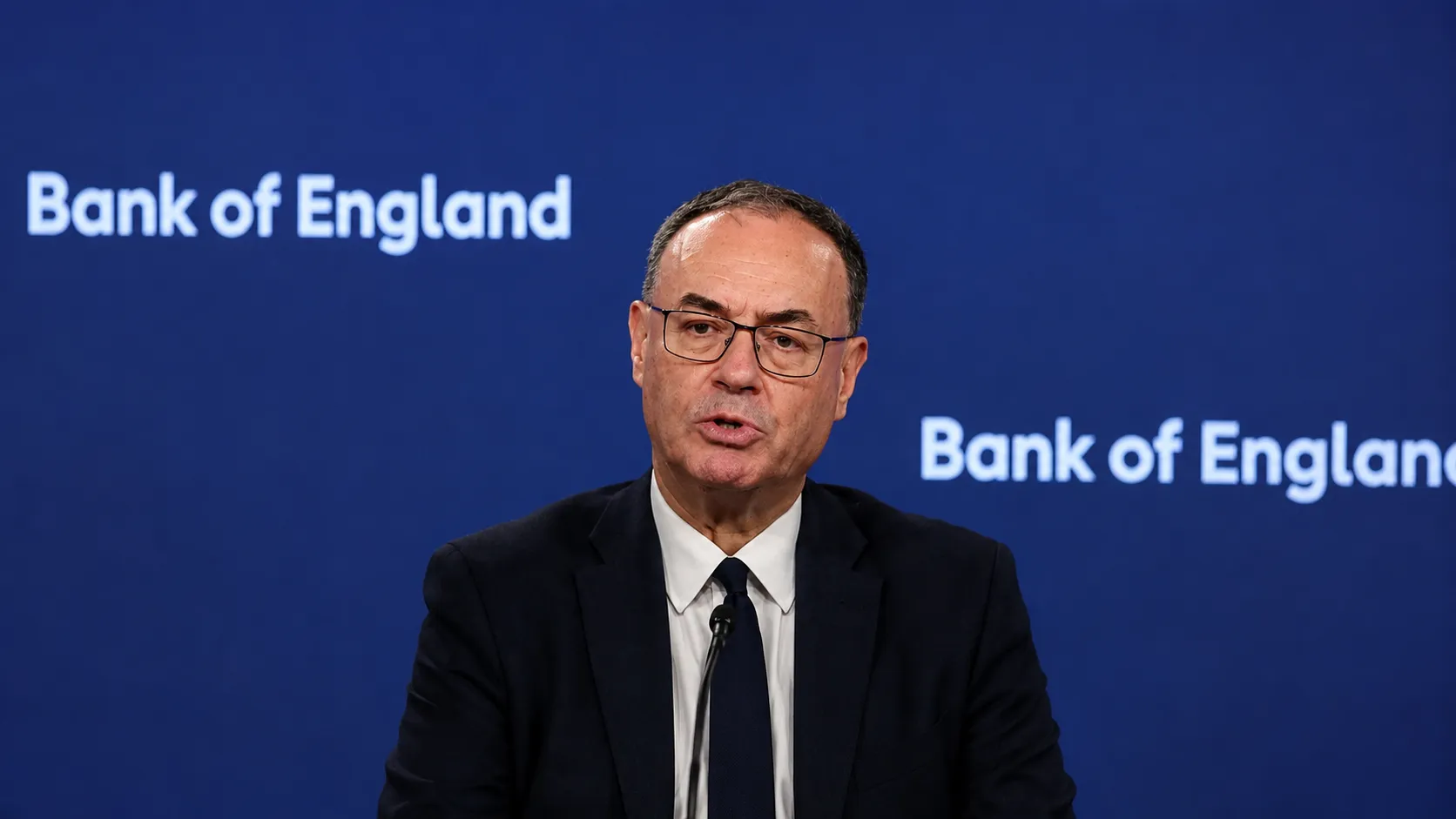
The governor of the Bank of England issued a pointed warning on August 31 that rapidly advancing artificial intelligence models pose emerging risks to global financial stability, adding one of the world's most influential central banking voices to a growing chorus of regulators and policymakers grappling with the systemic implications of increasingly sophisticated AI systems operating within financial markets. The warning arrives as AI adoption accelerates across trading, risk management and decision-making functions throughout the global financial-services industry.
Central banks and financial regulators worldwide have increasingly turned their attention toward the potential systemic risks posed by AI models embedded within critical financial infrastructure, ranging from algorithmic trading systems that can amplify market volatility during periods of stress, to AI-driven credit-underwriting models whose decision-making processes can prove difficult to fully audit or explain, to the broader risk that widespread reliance on similar underlying AI models across multiple financial institutions could create correlated, herd-like behaviour during market disruptions rather than the diversified risk management that regulators traditionally seek to encourage.
The specific concerns raised by the Bank of England reflect a broader evolution in how financial regulators think about technology risk, moving beyond earlier-generation concerns around algorithmic trading and high-frequency trading systems toward a more expansive assessment of how generative AI and increasingly autonomous AI agents might reshape financial-market dynamics in ways that existing regulatory frameworks were not originally designed to address. This includes questions around AI systems' potential to generate misleading market information at scale, execute trading strategies with limited human oversight, or create new forms of interconnected risk across institutions that rely on similar or even shared AI infrastructure providers.
Financial stability warnings from a central bank of the Bank of England's global standing carry particular weight given the institution's historical role in identifying and addressing systemic risks within international financial markets, extending well beyond its direct regulatory authority over UK-based financial institutions. Such warnings often serve as an important signal to other global regulators, prompting coordinated international discussion around appropriate regulatory responses to emerging technology risks that, by their nature, rarely respect national borders.
The financial-services industry's rapid embrace of AI technology has created a genuine tension that regulators are actively working to navigate: AI systems offer substantial potential benefits in areas including fraud detection, risk modelling, customer service and operational efficiency, yet the same characteristics that make these systems powerful — their capacity to process vast amounts of data and identify complex patterns at speeds far exceeding human capability — also introduce novel forms of risk that traditional financial-regulation frameworks, largely designed around human decision-making processes, were not originally built to address.
Industry participants and technology providers have generally pushed back against characterisations suggesting AI adoption within financial services introduces disproportionate systemic risk, arguing instead that well-governed AI implementation can enhance rather than undermine financial stability through improved risk detection and more sophisticated stress-testing capabilities. This tension between financial-industry enthusiasm for AI-driven efficiency gains and regulatory caution around untested systemic risks is likely to remain a defining feature of financial-technology policy discussions throughout the remainder of 2026 and beyond.