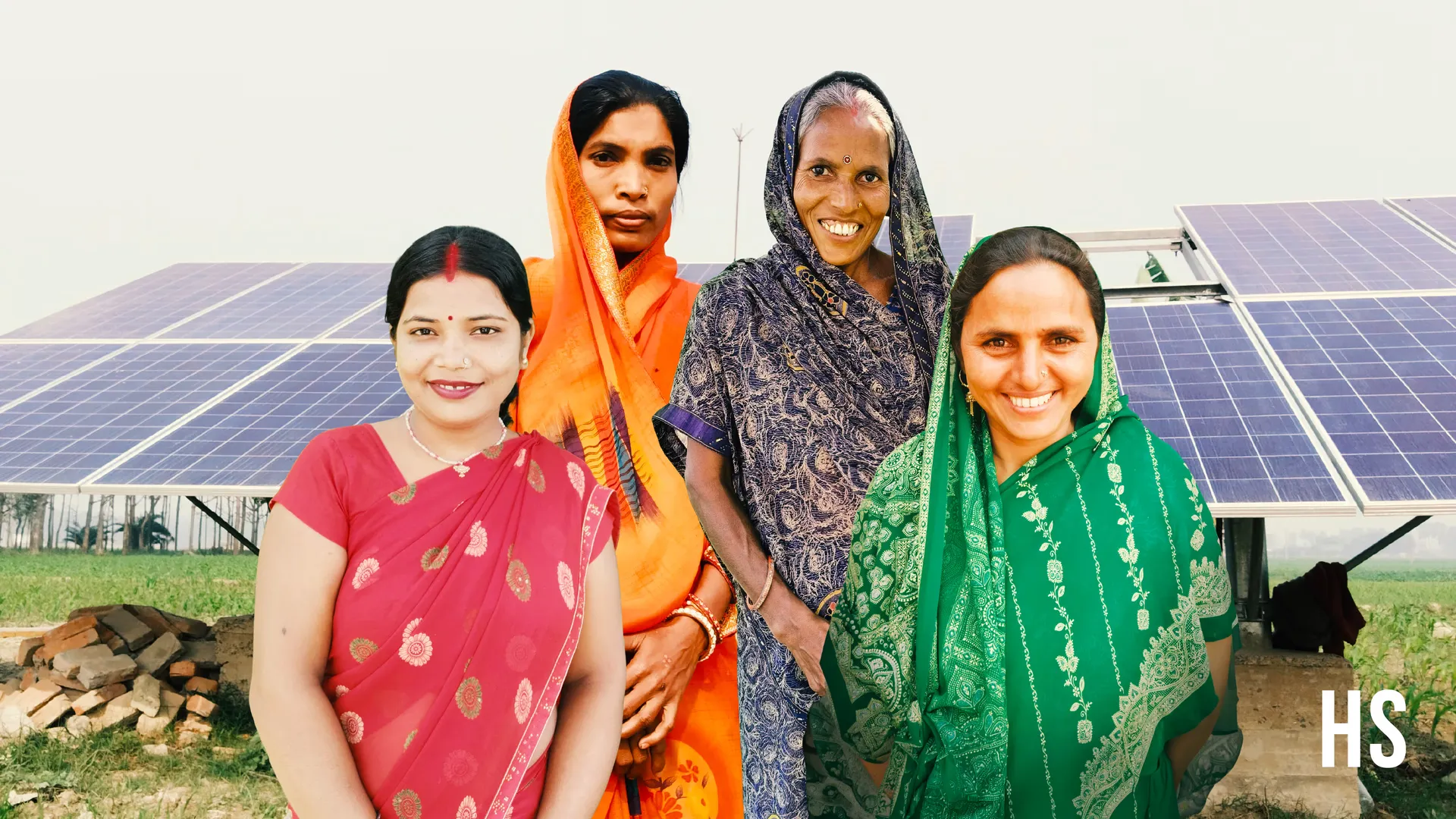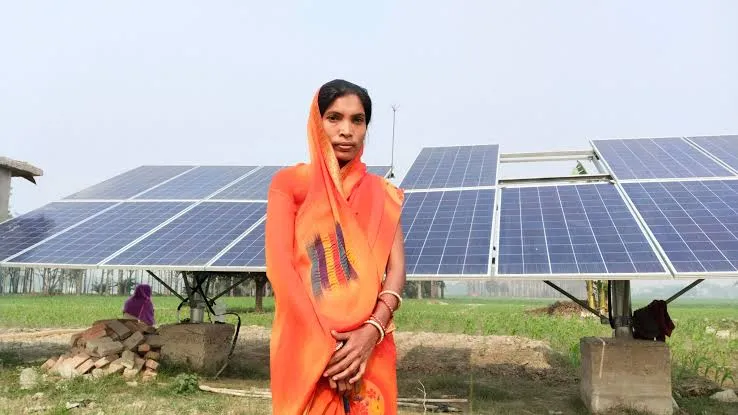
In the flat, fertile farmland of Muzaffarpur district in northern Bihar, a quiet transformation is underway. Women who once had little role in the economic decisions of their villages are now running solar-powered irrigation businesses, supplying water to neighbouring farmers and earning incomes of their own. Locally, they have come to be known as the "Solar Didis".
Their story, highlighted once again in a HerStory feature published on 22 September 2026, captures how clean energy, rural livelihoods and women's economic empowerment can reinforce one another when technology reaches the people who need it most.
The irrigation problem that sunlight solved
Irrigation has long been one of the costliest and least reliable parts of farming in Muzaffarpur. Most farmers work very small plots, often measured in a few kattha, and depend on groundwater. Diesel pumps are expensive to run, and electricity supply for agricultural pumps has historically been erratic.
Solar pumps changed the equation. Running on sunlight and requiring no fuel, they offer a predictable, low-cost source of power for drawing water. In earlier reporting on the initiative, one of the women entrepreneurs explained that a solar pump could irrigate about four kattha of land in an hour for around ₹100, compared with ₹150 to ₹200 for the same work using diesel.
For smallholder farmers operating on thin margins, that difference is significant. Lower irrigation costs mean more money left over for seeds, fertiliser and household needs, and reliable water supply allows farmers to plan crops with greater confidence.
From housewives to energy entrepreneurs
What makes the Muzaffarpur model distinctive is not only the technology but who controls it. Rather than being installed as individual assets for large landowners, many of the solar pumps are operated by women who sell irrigation services to other farmers.
One of the best-known figures in the movement is Devki Devi of Ratanpura village. Prime Minister Narendra Modi described her story in the 125th episode of his monthly radio address, Mann Ki Baat, saying she had changed the fate of her village with a solar pump and was now affectionately known as Solar Didi. According to earlier accounts of her journey, Devki began by supplying water to five farmers and went on to serve more than 65, irrigating around 35 acres and earning approximately ₹1.5 lakh a year.
Other women have followed similar paths. Sunita Devi of Bhagwanpur has been reported to irrigate around 32 acres of farmland, using her income to support her daughter's education. Previous reporting has also described how more than 90 women across Muzaffarpur have become entrepreneurs by using solar pumps to support over 3,000 farmers.
Institutions that made it possible
The spread of the Solar Didi model owes much to institutional support. Jeevika, the Bihar government's rural livelihoods programme built around women's self-help groups, has played a central role in mobilising women, providing training and connecting them to resources. The Aga Khan Rural Support Programme (India) has also been closely involved in raising awareness and supporting the adoption of solar irrigation.
These organisations helped address the barriers that often prevent rural women from starting enterprises: lack of collateral, limited access to finance, unfamiliarity with technology and social norms that confine women to domestic roles. By pairing technology with training and group support, they made it possible for women to own and operate income-generating assets.