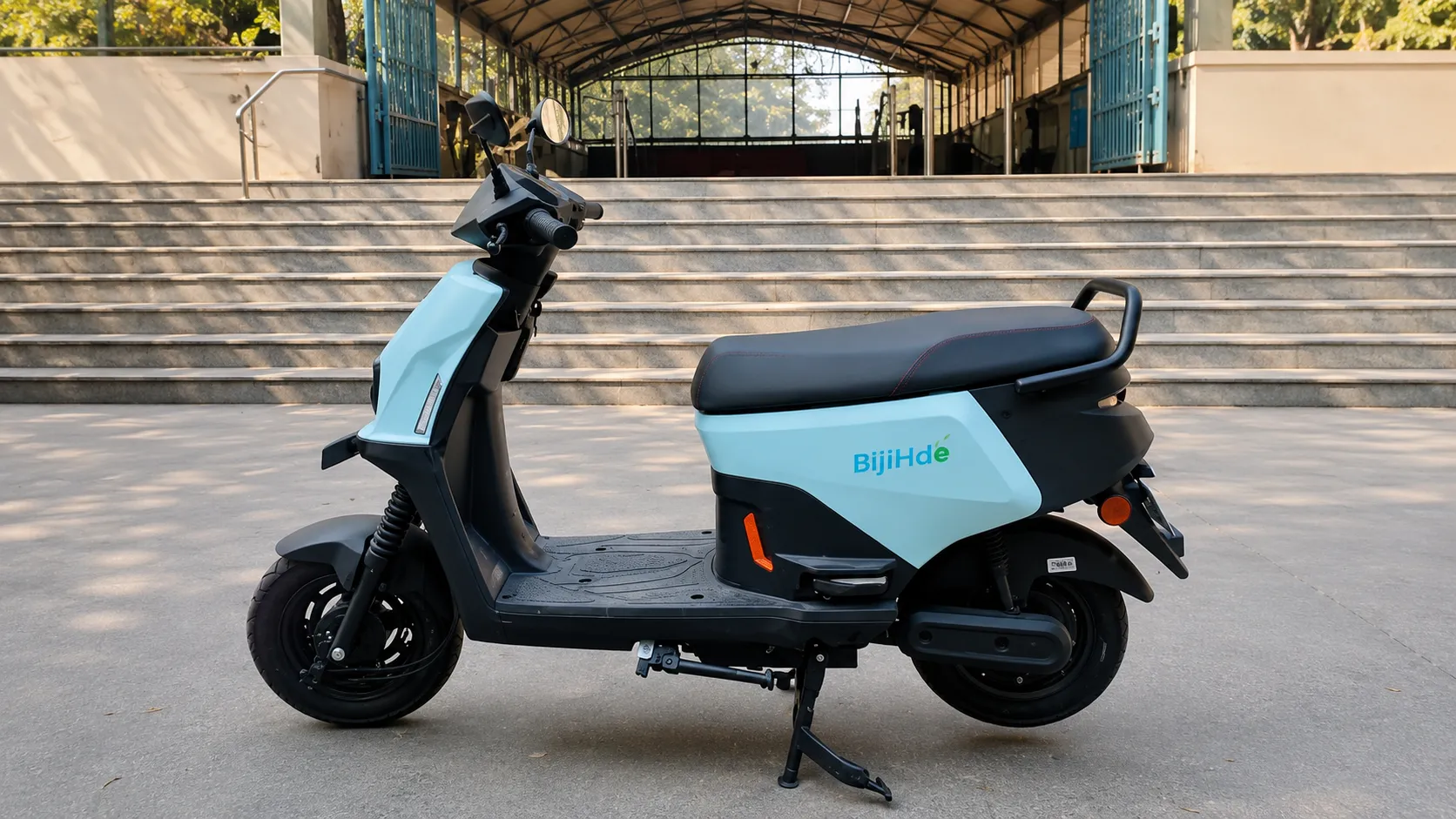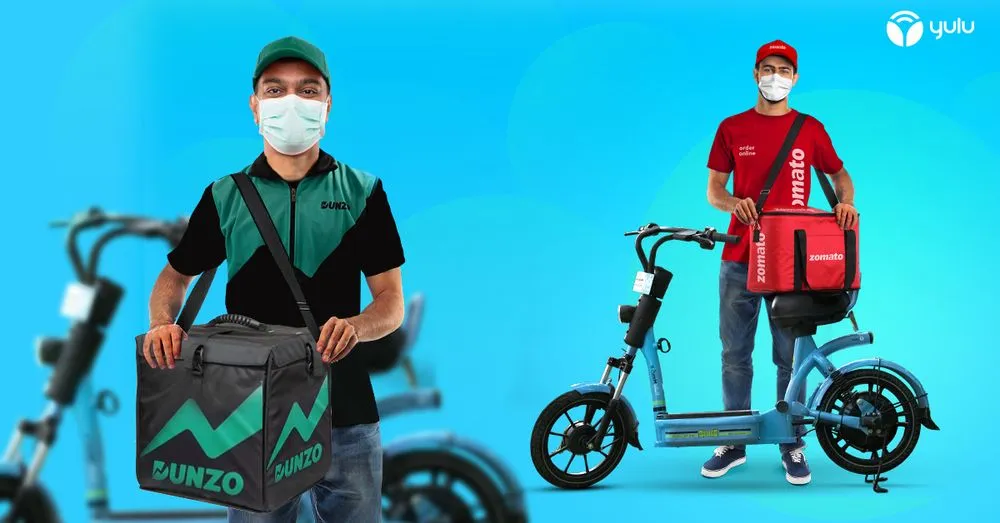
India's food and grocery delivery networks are quietly turning electric, one rented two-wheeler at a time. Bijliride, an electric-vehicle mobility platform, has struck partnerships with both Swiggy and Zomato to give delivery partners access to electric scooters and bikes through a rental model that requires no upfront capital from the riders themselves.
The tie-up formalises a trend that has been building for several years across India's last-mile delivery economy: gig workers, who often cannot afford the outright cost of an electric two-wheeler, are increasingly being brought onto EVs through rental and battery-swapping arrangements underwritten by mobility start-ups rather than the platforms themselves.
Under the new arrangement, delivery partners working with Swiggy and Zomato can access Bijliride's electric fleet on a pay-as-you-go basis, with the company handling maintenance, battery swapping, doorstep battery delivery and round-the-clock roadside assistance. Bijliride says it has already deployed more than 5,500 electric vehicles across five major metros — Hyderabad, Bengaluru, Delhi, Mumbai and Pune — and has facilitated over 35,000 battery swaps and 9,000 battery deliveries to date, with its app crossing 200,000 downloads.
For India's two major food-delivery platforms, the arrangement offers a low-capital route to greening their fleets at a moment when both cost pressure and regulatory attention on urban emissions are rising in parallel. Rather than owning or financing vehicles directly, Swiggy and Zomato can plug into an existing rental and battery-swap network, effectively outsourcing the operational complexity of EV ownership to a specialist.