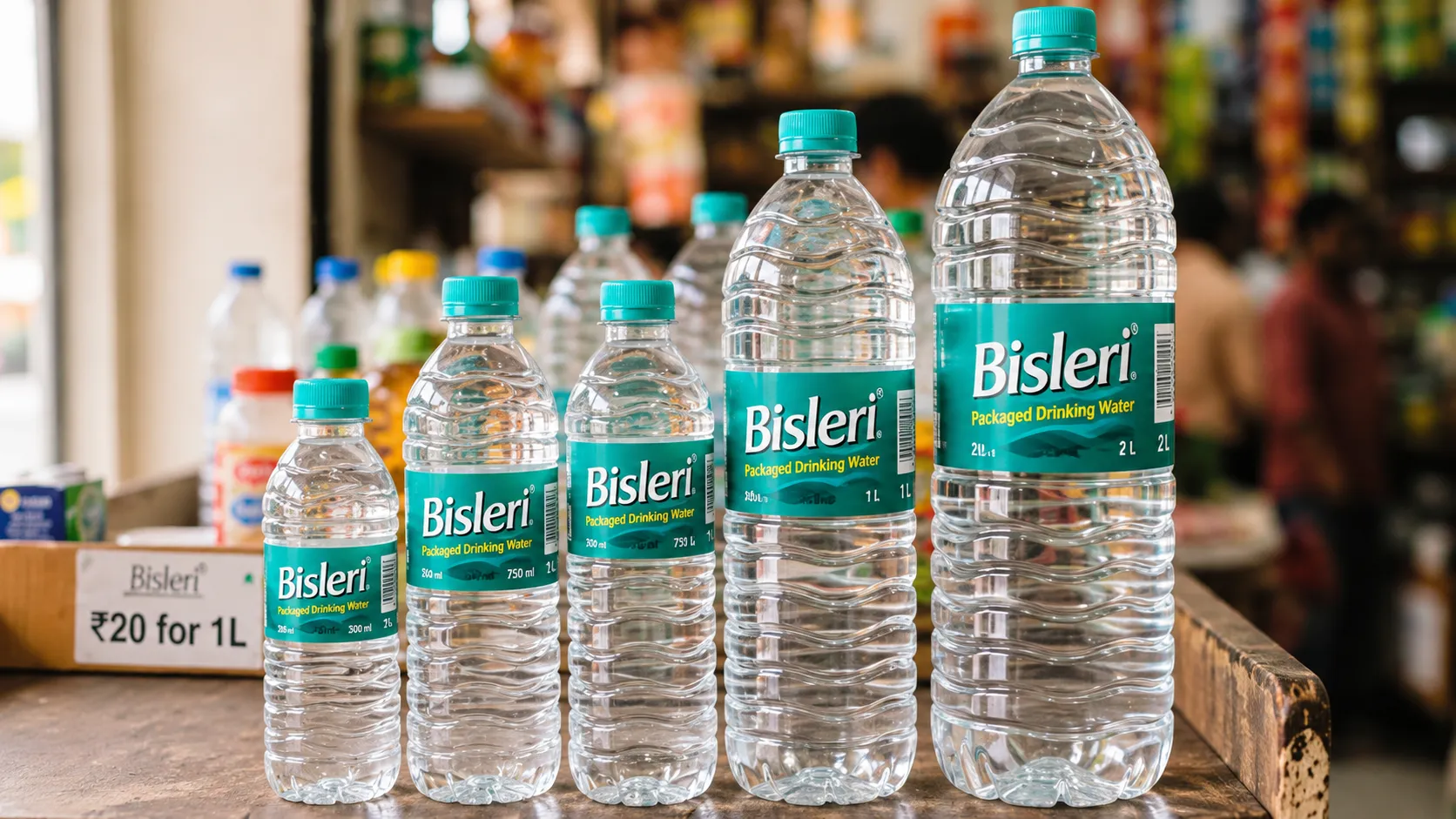
ImpactHealthcare5 MIN READ

Bisleri Says All 143 Plants Meet FSSAI Norms as a Single Goa Batch Sale Ban Fuels India's Packaged Water Safety Debate

Bisleri said on November 24 that all 143 of its plants remain operational and compliant with Food Safety and Standards Authority of India regulations, after the regulator prohibited the sale of a single batch made at its Goa plant in September 2025. Retesting found polycyclic aromatic hydrocarbons in one sample from the batch, while bromate levels were within limits, according to the company.

By Prathista Lazar · Author25 November 2026New
Bisleri Says All 143 Plants Meet FSSAI Norms as a Single Goa Batch Sale Ban Fuels India's Packaged Water Safety Debate

For millions of Indians, a bottle of packaged water is a basic assurance of safety. A regulatory action involving the country's best-known water brand has put that assurance under the spotlight.

Bisleri said on Tuesday, November 24, that all 143 of its plants remain operational and comply with the regulations of the Food Safety and Standards Authority of India (FSSAI), Business Today reported. The company said it "welcomed" a clarification issued by the regulator the previous day.

The statement followed an FSSAI prohibition on the sale of one batch of Bisleri packaged drinking water, which had prompted public concern and social media debate about the safety of bottled water.

One batch, one plant

According to Bisleri, the FSSAI sale prohibition covers only one batch, Batch GO 270, manufactured at its Goa plant on September 27, 2025, roughly 14 months ago.

The company said the Goa facility never received any direction to suspend operations and that subsequent production samples met all applicable FSSAI standards. Bisleri produces more than 50,000 batches a year and said no stock from the affected batch is currently on the market.

What the tests found

The FSSAI said on November 23 that bromate levels in the retested sample from the batch were below permissible limits, according to Bisleri's account.

Bromates can form when water containing bromide is treated with ozone, a common disinfection method. At high levels, bromate is considered a potential health concern, which is why regulators set strict limits.

Retesting also found polycyclic aromatic hydrocarbons (PAHs) at 0.144 micrograms per litre in one sample from Batch GO 270, according to the company. Another sample from the same batch passed all parameters, and six samples from the same source passed initial testing.

PAHs are a group of chemicals that can form during the incomplete burning of organic materials such as coal, oil, wood and fuel. They can enter water through environmental contamination. Some PAHs are considered harmful with long-term exposure, which is why they are monitored in drinking water.

Bisleri's defence

Bisleri said it had flagged discrepancies in the laboratory findings and requested retesting for PAHs in February 2026. It said FSSAI samples from its other plants have shown no subsequent adverse PAH results.

The company said it conducts about 90 quality tests and uses a 10-stage purification system. It said it would continue to cooperate with FSSAI and defend its position in any proceedings, and urged consumers to rely on verified information. It also said it would pursue legal action against what it described as false and misleading propaganda.

The brand at stake

Bisleri is so dominant in Indian packaged water that its name is often used as a generic term for bottled water. The brand was built into a national household name under Ramesh Chauhan, whose family has run the business for decades.

For a brand built on the promise of safe drinking water, any question about quality is a serious reputational issue. Bisleri's swift and detailed public response reflects the importance of maintaining consumer trust.

India's packaged water market

India's packaged drinking water market has grown rapidly, driven by urbanisation, rising incomes, concerns about tap water quality and growth in travel and tourism. The market includes large national brands such as Bisleri, Kinley from Coca-Cola, Aquafina from PepsiCo and Bailley from Parle Agro, as well as thousands of smaller regional and local producers.

“In packaged water, trust is the product. Every test result, good or bad, shapes what consumers believe is in the bottle.”
— TIGI Impact Desk

Packaged drinking water is subject to mandatory certification by the Bureau of Indian Standards and regulation by FSSAI, which sets limits for contaminants and requires regular testing.

e5f53301-8c0b-4d77-967d-595e38be8ede.webp

FSSAI's tougher stance

FSSAI has stepped up enforcement in recent months, taking action against several food and beverage companies over quality and safety issues. The regulator has emphasised that it will act on test results regardless of a company's size or brand recognition.

Stronger enforcement is intended to raise standards across the industry, although companies sometimes dispute laboratory findings, as Bisleri has done, arguing that testing methods or sample handling may affect results.

The wider water safety question

The episode highlights broader concerns about water quality in India. Many Indians rely on packaged water or home purification systems because municipal water supplies are not consistently safe to drink. Groundwater contamination from industrial pollution, agricultural chemicals and naturally occurring substances such as arsenic and fluoride is a serious problem in parts of the country.

The government's Jal Jeevan Mission has sought to provide piped water to every rural household, but ensuring the quality of that water remains a challenge.

What consumers should know

Experts generally advise consumers to buy packaged water from certified brands, check for the Bureau of Indian Standards mark and batch details, and store bottles away from heat and sunlight, which can affect quality. Consumers who have concerns can report them to FSSAI through its grievance channels.

What it means for the industry

The controversy is likely to prompt packaged water companies to review their testing and quality assurance processes and to communicate more transparently with consumers. Regulators may also face pressure to clarify how testing results are communicated to the public, to avoid unnecessary alarm while ensuring safety.

Testing and transparency

Food safety experts say that disputes over laboratory findings are not unusual, because results can be affected by sampling methods, storage conditions and testing procedures. Independent retesting and transparent communication are important for both regulators and companies.

Clear public communication about the significance of test results, including whether detected levels pose a health risk, can help prevent unnecessary alarm while ensuring that genuine safety issues are addressed.

Lessons for brands

For consumer brands, the episode highlights the importance of rapid, factual responses to safety concerns, particularly in the age of social media, where information and misinformation spread quickly. Companies with robust quality systems and clear communication plans are better placed to protect their reputations.

Regulatory scrutiny across categories

The Bisleri case is one of several recent actions by FSSAI across food and beverage categories, reflecting a broader push by the regulator to improve standards and consumer trust in packaged foods.

What comes next

Bisleri's dispute over the laboratory findings may be resolved through further testing or regulatory proceedings. Consumers and investors in the broader beverage industry will watch whether FSSAI takes further action and whether the episode leads to wider changes in how packaged water safety is monitored in India.

TagsBisleriFSSAIpackaged drinking waterfood safetyGoaPAHpolycyclic aromatic hydrocarbonsbromateswater qualityconsumer safetybottled waterregulationpublic healthquality testingIndia FMCGconsumer trustfood regulationbeveragesIndiaimpact

Reader reviews

Sign in to rate and review this article.
Loading reviews…