
The Canadian government has committed to backing $50 billion in new clean energy project investments, according to reporting from ESG Today's weekly review published the week of August 23, 2026, one of the largest national-level commitments to clean energy infrastructure development reported globally this year, and a signal of Canada's continued positioning as a significant player in the North American energy transition despite a more politically fragmented global climate landscape.
The scale of the commitment places Canada among a small group of national governments continuing to make large, explicit financial pledges toward clean energy infrastructure at a moment when climate policy consensus has weakened in several major economies, with a number of governments that previously positioned themselves as climate leaders increasingly recalibrating their priorities toward national security, trade competitiveness and technological sovereignty rather than explicit decarbonisation targets.
For Canada, a country with substantial natural resource wealth spanning both traditional fossil fuel reserves and significant renewable energy potential across hydroelectric, wind and solar resources, the $50 billion commitment reflects a continued strategic bet on the country's ability to position itself as a clean energy leader within North America, potentially serving both domestic decarbonisation goals and broader economic diversification objectives as global energy markets continue their gradual, if uneven, transition away from fossil fuel dependence.
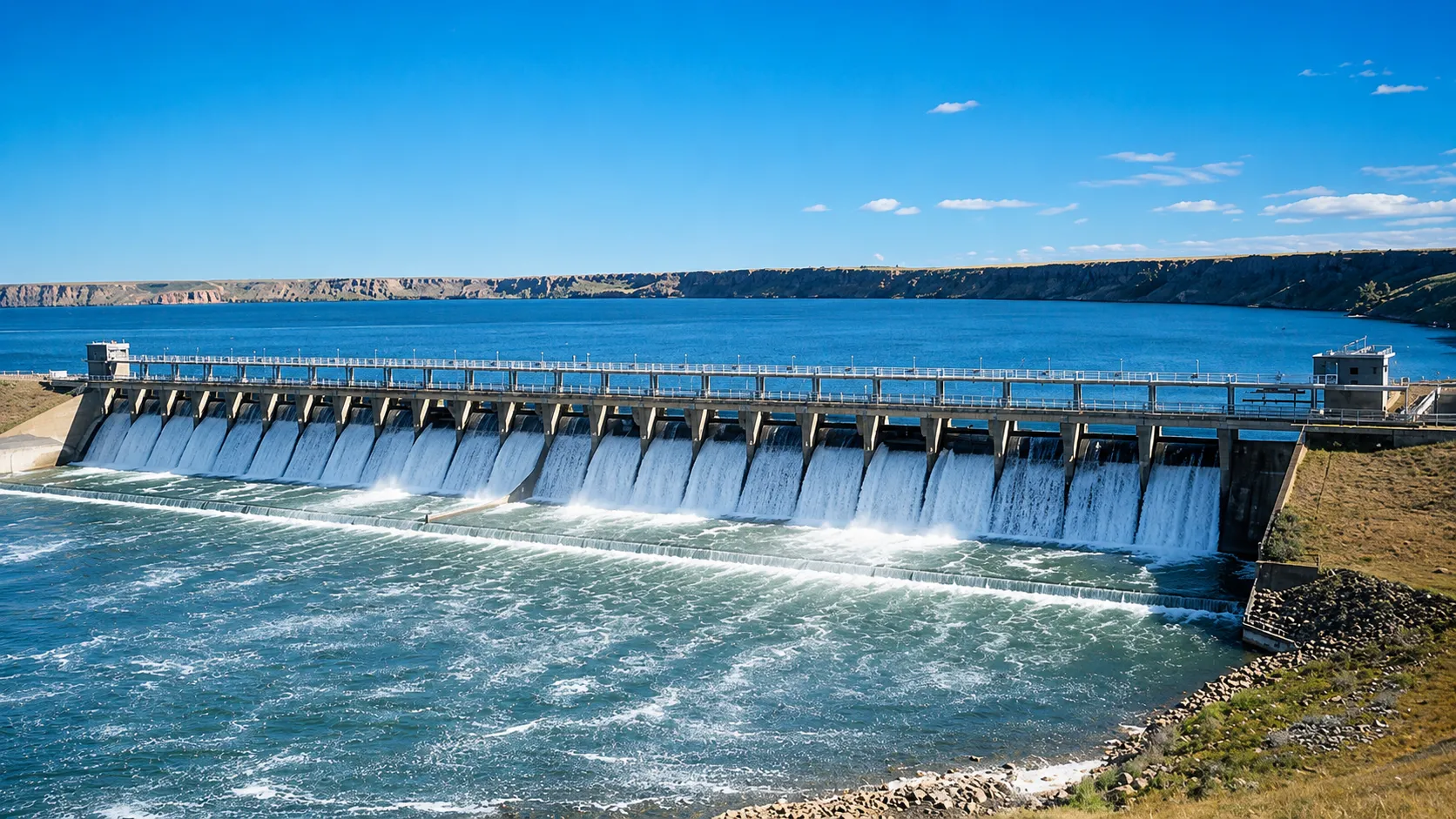
The commitment arrives alongside a broader wave of substantial clean energy capital deployment reported globally this week, including Climate Investment Partners' $3 billion clean energy infrastructure fund and Google's $60 million investment in water infrastructure projects, together illustrating that despite growing political fragmentation around formal climate commitments in several jurisdictions, both government and private capital continue to flow toward energy transition infrastructure at meaningful scale.
A significant driver behind continued investment of this kind is the rapidly growing electricity demand associated with the global build-out of AI data centre infrastructure, which has created substantial new commercial incentives for expanded clean energy generation capacity across multiple markets, largely independent of the specific climate policy environment in any given jurisdiction. Canada's abundant hydroelectric resources in particular have positioned the country as an attractive location for energy-intensive data centre development, potentially reinforcing the commercial logic underpinning continued government investment in the country's broader clean energy infrastructure.
The Canadian commitment also reflects a broader pattern observed across national governments in 2026, wherein clean energy investment increasingly proceeds on largely commercial and strategic grounds — energy security, economic competitiveness, and positioning to capture emerging opportunities in AI-driven electricity demand — rather than purely on climate policy grounds, a shift that analysts have suggested may ultimately prove more durable than climate-specific investment commitments that remain more vulnerable to shifts in political leadership and priorities.
As Canada moves to deploy its $50 billion commitment across specific clean energy projects, the scale and pace of that deployment will offer an important indicator of the country's capacity to translate large headline financial commitments into concrete, operational energy infrastructure — a translation that has, in many jurisdictions globally, proven more challenging in practice than the initial funding announcements might suggest.