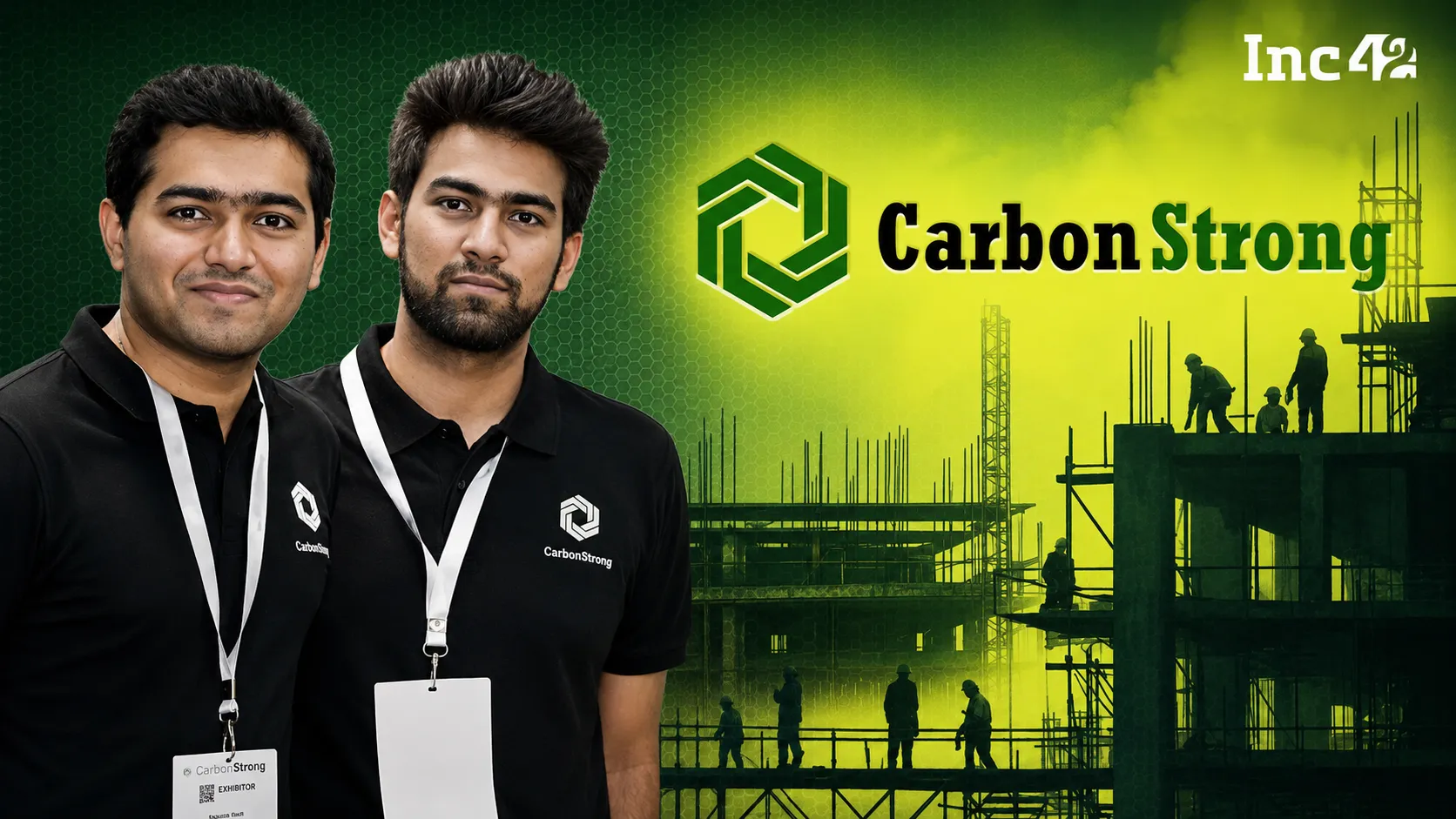
CarbonStrong, the Bengaluru-based climate-technology startup, is targeting production capacity of up to 100,000 tonnes a year for its low-carbon cement binder, a scale-up that would allow the company's material to meaningfully reduce embodied carbon across a substantial volume of South Indian construction activity.
Reaching that capacity target would place CarbonStrong among a small number of Indian climate-tech companies operating at genuinely industrial scale, rather than the pilot or demonstration-project scale at which many materials-science climate startups remain confined even several years after founding.
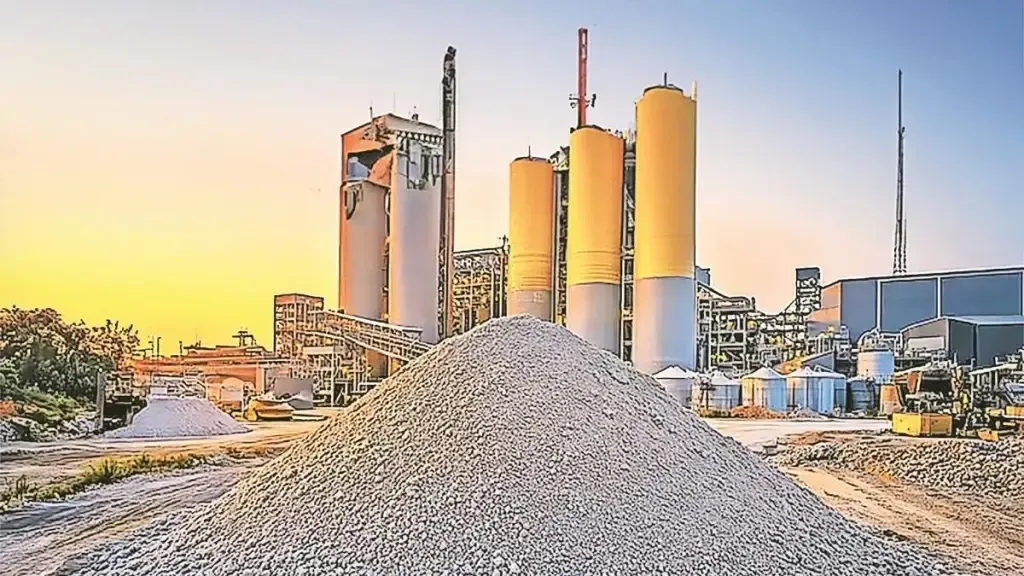
The company's core innovation lies in upcycling industrial waste into a binder that can replace up to 50% of traditional cement in concrete, addressing one of the most stubborn sources of industrial emissions. Cement production accounts for a significant share of global carbon dioxide output, driven largely by the chemical process used to produce clinker, the primary ingredient in conventional cement. Because that process is difficult to fully decarbonise through efficiency improvements alone, materials-substitution approaches like CarbonStrong's have drawn growing attention from both investors and construction-sector customers.
Global cement demand is expected to remain elevated for decades to come, driven overwhelmingly by construction activity in developing economies including India, which makes the search for scalable, cost-competitive low-carbon alternatives a matter of considerable urgency for global climate targets rather than a niche technical curiosity confined to advanced economies alone.
CarbonStrong has already run customer trials across Bengaluru, Hyderabad and Chennai, testing its binder's real-world performance in construction settings rather than confining validation to laboratory conditions -- a step considered critical for winning the confidence of builders and infrastructure contractors, who operate under strict structural and safety requirements. The company's founders, Harsh Jain and Vikramaditya Singh, established the venture in 2022, positioning it within a small but growing cohort of Indian climate-tech startups tackling industrial decarbonisation rather than consumer-facing sustainability products.
Structural performance validation remains one of the more significant hurdles for any alternative building material, since construction codes and contractor risk tolerance typically demand extensive, multi-year testing data before new materials are accepted for use in load-bearing or safety-critical applications -- a dynamic that tends to favour companies able to sustain lengthy trial periods with well-capitalised backing.
Reaching 100,000 tonnes of annual capacity would represent a meaningful milestone for an Indian climate-tech company operating in materials science, a category that has historically attracted less venture capital than software-based climate solutions due to its higher capital intensity. As India continues to expand infrastructure and construction activity to support urbanisation and economic growth, the ability of companies like CarbonStrong to scale low-carbon alternatives at commercially viable cost will be closely watched as a test case for industrial decarbonisation more broadly.
India's construction sector, driven by continued urban migration and large-scale infrastructure programmes, is expected to remain one of the largest sources of cement demand growth globally over the coming decade -- making the country simultaneously one of the more challenging and one of the more consequential markets for low-carbon cement technologies to prove their commercial viability at scale.