Insurers and capital markets specialists are increasingly exploring catastrophe bonds and other alternative risk-transfer instruments as a mechanism to absorb the concentrated physical and financial risk exposures that AI data centres represent, a development that illustrates how the scale of the current AI infrastructure buildout is beginning to reshape adjacent industries well beyond technology itself. Catastrophe bonds, traditionally used to help insurers and reinsurers transfer risk associated with natural disasters like hurricanes and earthquakes to capital markets investors, are now being examined as a potential tool for managing the outsized business-interruption and physical-damage risks associated with hyperscale AI computing facilities.
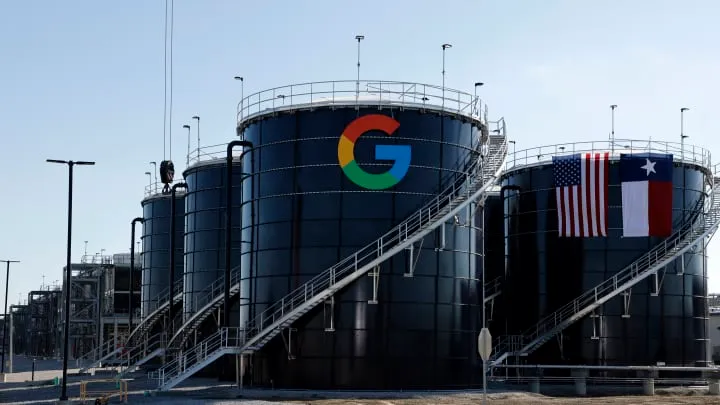
The rationale behind extending catastrophe bond structures to data centre risk stems from the sheer concentration of value and operational criticality that modern AI training facilities represent, with individual campuses now housing billions of dollars worth of specialised computing hardware and supporting infrastructure, often serving as single points of failure for AI services relied upon by millions of end users and enterprise customers. Traditional property and business-interruption insurance markets, while capable of covering individual facility risks, face capacity constraints when confronted with the scale of exposure that a portfolio of hyperscale AI data centres now represents across a single insurer's book of business.