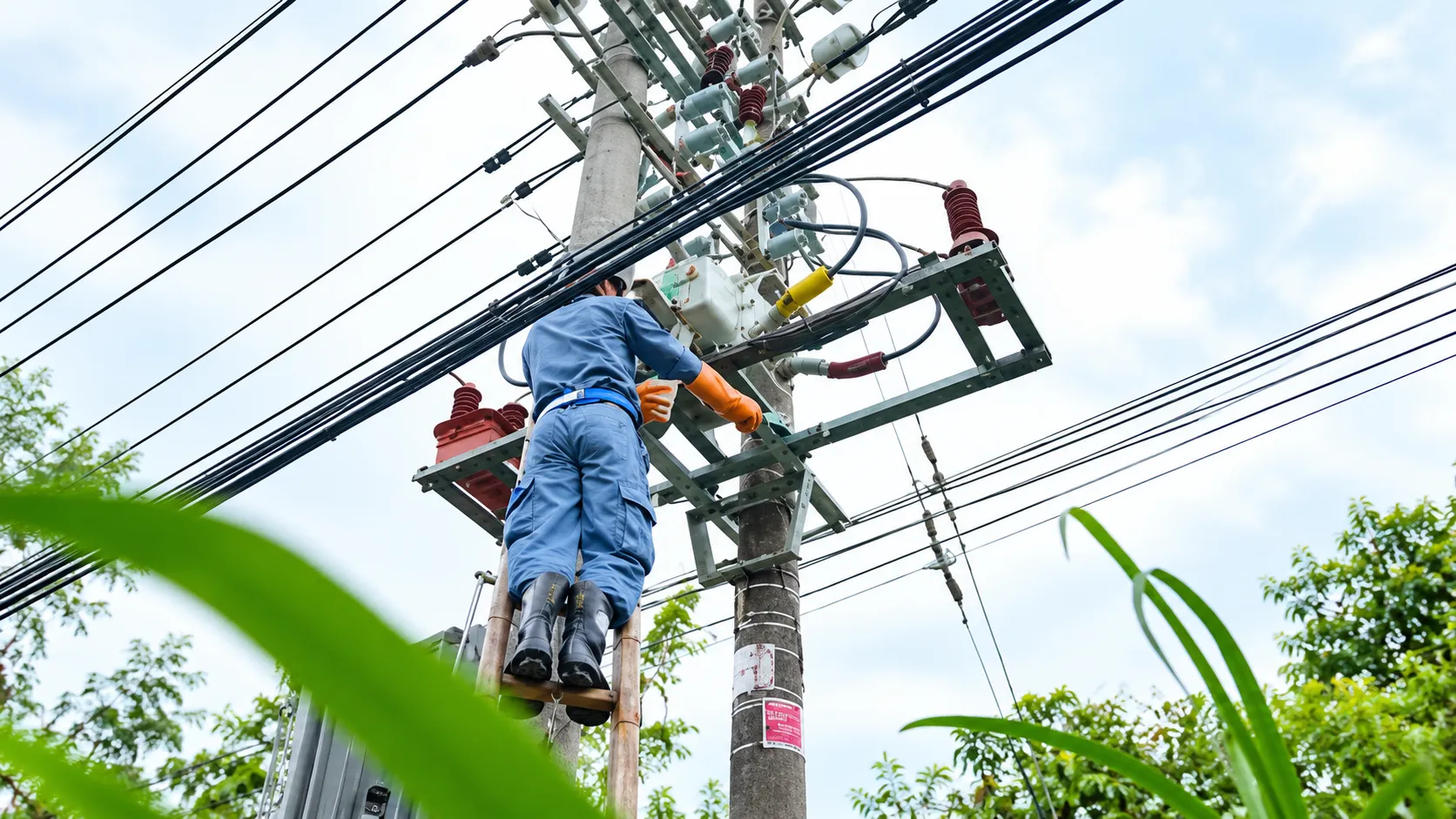
China and member countries of the Association of Southeast Asian Nations have developed 16 cross-border electricity transmission lines rated at 110 kilovolts or above, with cumulative electricity exchange across those lines now exceeding 75 billion kilowatt-hours, according to figures released by the China Electricity Council and announced at the 23rd China-ASEAN Expo in Nanning, China, on September 21, 2026.
The milestone reflects more than a decade of gradually deepening regional electricity-grid integration between China and its Southeast Asian neighbours, a process that has accelerated significantly in recent years as both China's renewable-generation capacity and ASEAN member states' own energy needs have grown substantially, creating stronger economic incentives for cross-border power trade that can help balance generation surpluses and deficits across the broader region.
Regional electricity-grid interconnection of this scale carries particular significance for renewable-energy integration specifically. Solar and wind generation, by nature, produce variable output depending on weather conditions and time of day, making cross-border transmission capacity an increasingly valuable tool for balancing renewable-generation surpluses in one country against demand in a neighbouring market — effectively allowing the broader region to function as a more flexible, resilient electricity system than any single national grid could achieve in isolation.
For several ASEAN member states, particularly those with more limited domestic generation capacity or heavy reliance on imported fossil fuels, access to cross-border electricity trade with China's substantially larger and increasingly renewable-heavy grid offers a pathway toward both improved energy security and accelerated decarbonisation, without requiring each individual country to independently build out sufficient domestic generation capacity to meet peak demand entirely through national resources alone.
The pace of cross-border transmission-line construction between China and ASEAN countries has also been shaped by parallel progress on harmonising technical grid standards and market-operation rules across participating countries — a less visible but equally essential component of regional grid integration that often receives less attention than the physical infrastructure itself. Without compatible technical standards and clear rules governing cross-border power trading and settlement, additional transmission capacity alone cannot deliver the full economic and reliability benefits that regional grid integration is intended to provide.
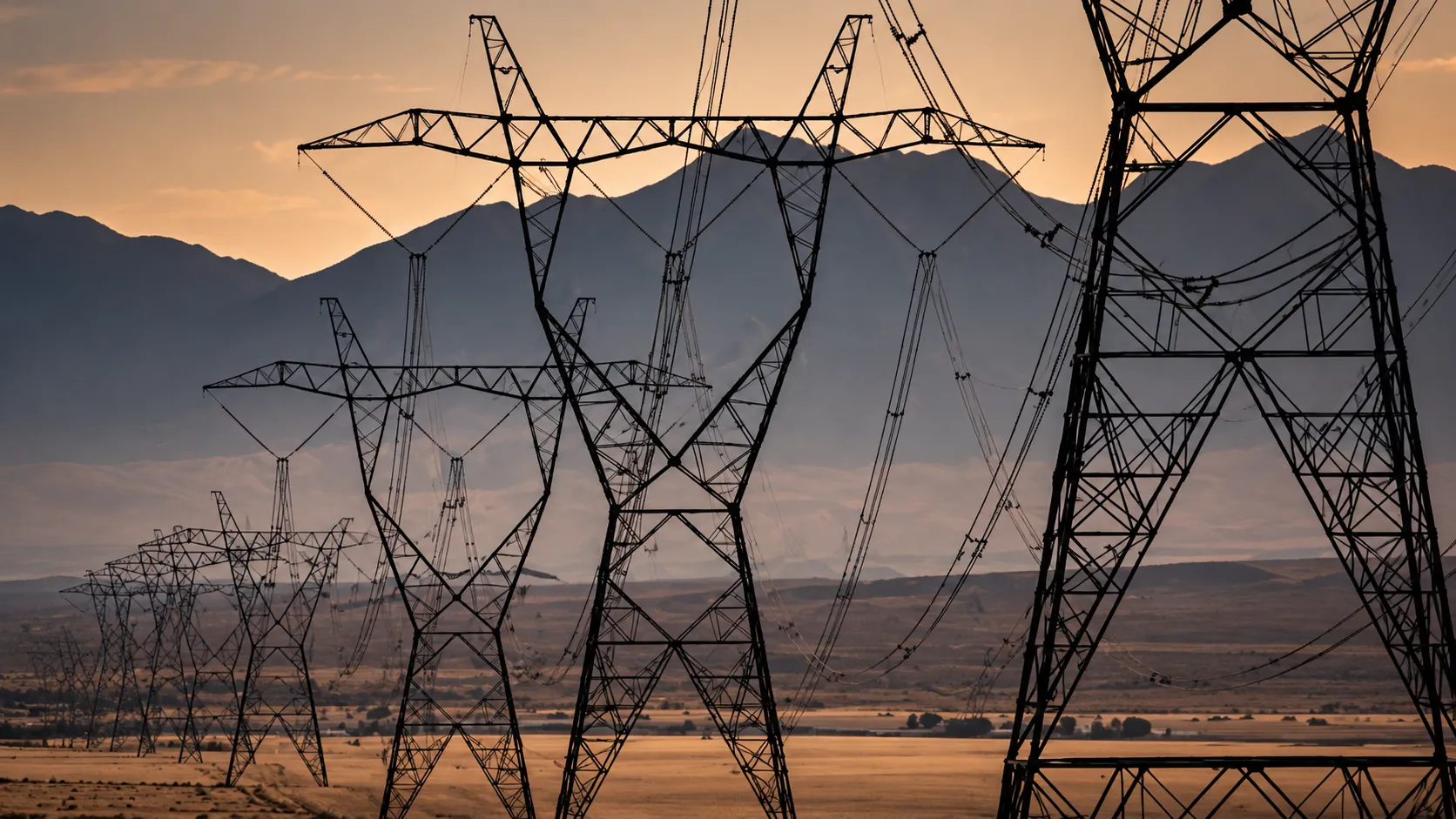
The announcement at the China-ASEAN Expo also carried broader diplomatic and economic significance, with Chinese officials framing the electricity-cooperation milestone as one component of a wider push toward deepened green-industry collaboration between China and Southeast Asian economies, alongside parallel cooperation in renewable-energy manufacturing, new-energy vehicles and broader clean-technology supply chains — themes that featured prominently across the expo's broader programming.
Analysts tracking regional energy-infrastructure development have noted that the pace of new cross-border transmission-line construction between China and ASEAN countries has accelerated meaningfully over the past several years, reflecting both improving bilateral and multilateral coordination on technical grid standards and growing recognition among regional policymakers that electricity-market integration offers a comparatively cost-effective pathway toward energy security relative to each country independently over-building domestic generation capacity as a hedge against supply shortfalls.
Looking ahead, regional energy-policy analysts have suggested that continued deepening of China-ASEAN electricity cooperation could eventually support more sophisticated forms of regional power trading, including real-time balancing markets that would allow renewable-generation surpluses in one country to be dispatched almost instantaneously to meet shortfalls elsewhere in the region — a level of integration that remains some years away but that this week's announcement suggests the region is actively working to build toward.
As cross-border electricity exchange between China and ASEAN continues to expand from its current base of 75 billion kilowatt-hours across 16 transmission lines, the trajectory of this regional grid-integration effort will offer a closely watched case study in how large-scale, multi-country electricity cooperation can support both energy security and accelerated renewable-energy adoption across a rapidly developing and energy-hungry region.