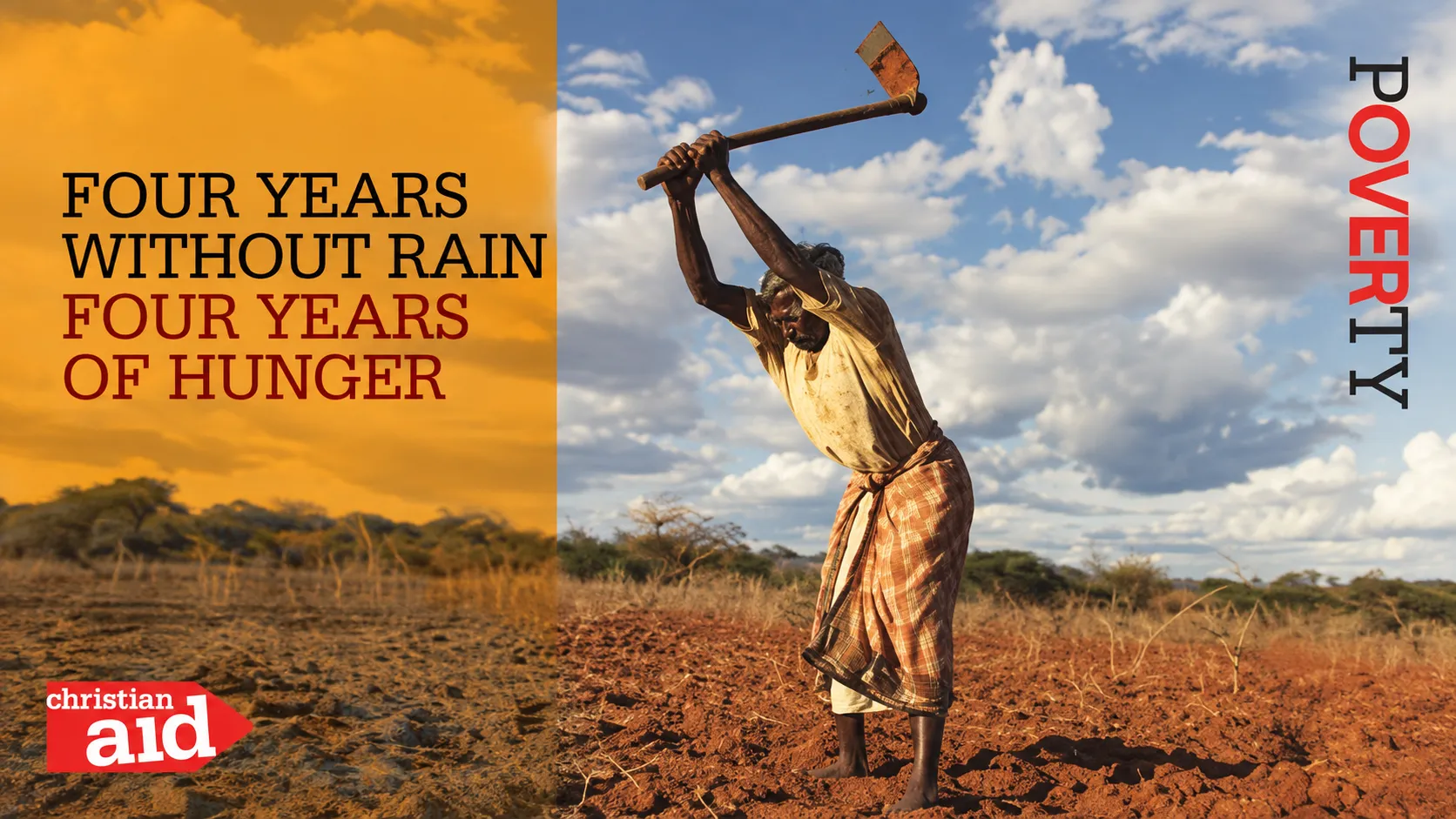
Most of the money flowing into climate action goes toward cutting emissions: building solar farms, electrifying transport and decarbonising industry. Far less reaches the communities already living with the consequences of a warming world. A British development charity is trying to change that, using an approach more familiar to investors than to aid agencies.
Christian Aid has launched a new investment vehicle, the Christian Aid Resilient Futures Fund, which aims to raise £20 million by 2030. The fund will invest in locally owned businesses that help communities adapt to climate change. The launch was reported in sustainability industry briefings on September 25.
The fund will initially invest through specialist impact-fund managers, Talanton and BlueOrchard, rather than making direct investments itself.
Why adaptation, and why businesses
Climate adaptation refers to measures that help people and economies cope with the effects of climate change, from drought-resistant crops and efficient irrigation to flood defences, early warning systems, resilient housing and insurance.
Adaptation has long been the poor relation of climate finance. Mitigation projects, particularly in renewable energy, often generate predictable revenues that attract private investors. Adaptation projects are frequently harder to finance commercially, because their benefits, avoided losses and more stable livelihoods, do not always translate into cash flows.
The scale of the gap is large. The United Nations Environment Programme's Adaptation Gap Report has estimated that developing countries need between $187 billion and $359 billion a year to adapt to climate change, while international public finance for adaptation reached only about $28 billion in 2022.
Christian Aid's approach is to focus on the part of the adaptation economy that can generate returns: locally owned businesses that provide goods and services helping communities become more resilient. These might include companies selling climate-smart agricultural inputs, water management solutions, solar-powered cold storage for farmers, or financial services that help households recover from climate shocks.
A development charity turns investor
Christian Aid is a UK-based international development organisation that has worked with communities in some of the world's poorest countries for decades. It has traditionally relied on grants and donations to fund its programmes and has been an active voice in campaigns on climate justice and debt relief.
Launching an investment fund represents a significant evolution in its approach. Unlike a grant, an investment is expected to generate a financial return, which can then be recycled into further investments. That allows a fixed amount of capital to support more enterprises over time.
Impact investing, which seeks both social or environmental benefits and financial returns, has grown into a substantial market. But the involvement of development charities as investors, rather than only as grant-makers, remains relatively uncommon. Christian Aid's move reflects a broader recognition in the development sector that grant funding alone cannot meet the scale of challenges such as climate adaptation.
Working through specialist managers
The decision to invest through established managers rather than directly is a pragmatic one. Investing in small businesses in developing countries requires specialist skills in due diligence, local market knowledge and portfolio management that most charities do not have in-house.
BlueOrchard is a Swiss-based impact investment manager with a long track record in emerging markets, particularly in inclusive finance and climate. It has run funds focused specifically on climate adaptation and resilience, which have attracted investors seeking exposure to the theme.
Talanton is another specialist impact-fund manager. By working with both, Christian Aid can gain access to established investment pipelines and expertise while focusing its own role on setting impact priorities and ensuring the fund reaches communities that need it most.
The case for local ownership
The fund's emphasis on locally owned businesses is notable. Development experts have increasingly argued that solutions designed and owned by local entrepreneurs are more likely to succeed and endure than those imposed from outside.
Local businesses understand the needs of their communities, have established networks and are more likely to reinvest profits locally. Supporting them also builds economic resilience beyond the immediate adaptation benefit, creating jobs and strengthening local markets.
This approach aligns with a wider movement in development and climate finance toward "locally led adaptation", a set of principles endorsed by many governments and organisations that emphasise devolving decision-making and resources to the communities most affected by climate change.
Why it matters now
The launch comes at a time when climate impacts are intensifying and pressure is growing on wealthy nations to increase support for vulnerable countries. At the COP29 climate summit in 2024, countries agreed a new goal to mobilise at least $300 billion a year in climate finance for developing countries by 2035. Adaptation advocates have argued that a much larger share of that money should go toward helping communities cope with climate impacts.
At the same time, public aid budgets are under pressure in several donor countries, making it more important to mobilise private and philanthropic capital. Vehicles such as the Resilient Futures Fund aim to demonstrate that adaptation can be an investable theme, potentially encouraging larger investors to follow.
A £20 million target is modest compared with the global need. But the fund's value may lie as much in demonstration as in scale, showing how charitable and impact capital can be combined to support enterprises that commercial investors might otherwise overlook.

Relevance for India
India is among the countries most exposed to climate change, facing heatwaves, erratic monsoons, floods and cyclones. It is also home to a vibrant ecosystem of enterprises working on adaptation, from agritech start-ups helping farmers manage water and weather risk to companies providing solar-powered irrigation and cold storage.
Many of these businesses struggle to access capital at the early stages, particularly in rural areas. Funds that target adaptation-focused enterprises, whether global vehicles such as Christian Aid's or domestic impact investors, could play an important role in scaling them.
Proving adaptation is investable
Christian Aid's Resilient Futures Fund is a significant experiment in financing climate adaptation. By investing in locally owned businesses through specialist managers, it aims to prove that helping communities adapt can generate both impact and returns.
If it succeeds, it could provide a model for other charities, foundations and development institutions looking to stretch limited resources further. With climate impacts accelerating and adaptation finance still falling far short of need, the search for new ways to channel capital to vulnerable communities has rarely been more urgent.