WomenEntrepreneurship5 MIN READ

CEO Shirali Nigam's Circuit Breaker Labs Builds 'Crash-Test Dummies' to Make AI Chatbots Safer for Kids and Adults

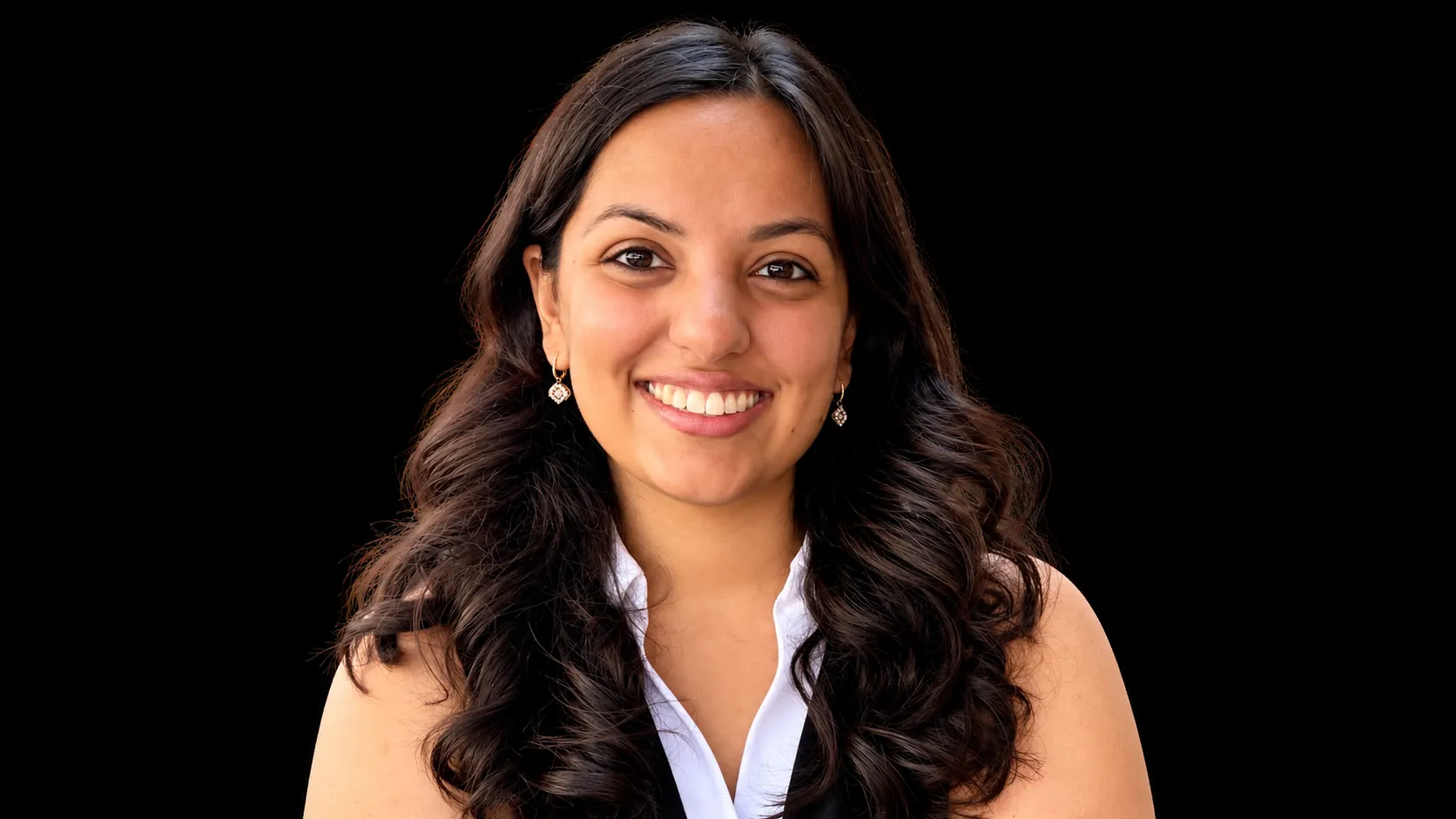
Sibling-founded Circuit Breaker Labs, led by CEO Shirali Nigam, uses AI agents that mimic users of different ages, languages and cultures to test whether chatbots can detect psychologically harmful conversations. It is a TechCrunch Startup Battlefield 200 finalist.

3 October 2026New
CEO Shirali Nigam's Circuit Breaker Labs Builds 'Crash-Test Dummies' to Make AI Chatbots Safer for Kids and Adults

Much of the public debate about artificial intelligence safety focuses on distant, dramatic risks. Shirali Nigam is concerned with something closer to home: the everyday conversations people, including children, are already having with chatbots, and what happens when those systems fail to recognise that a user is in distress.

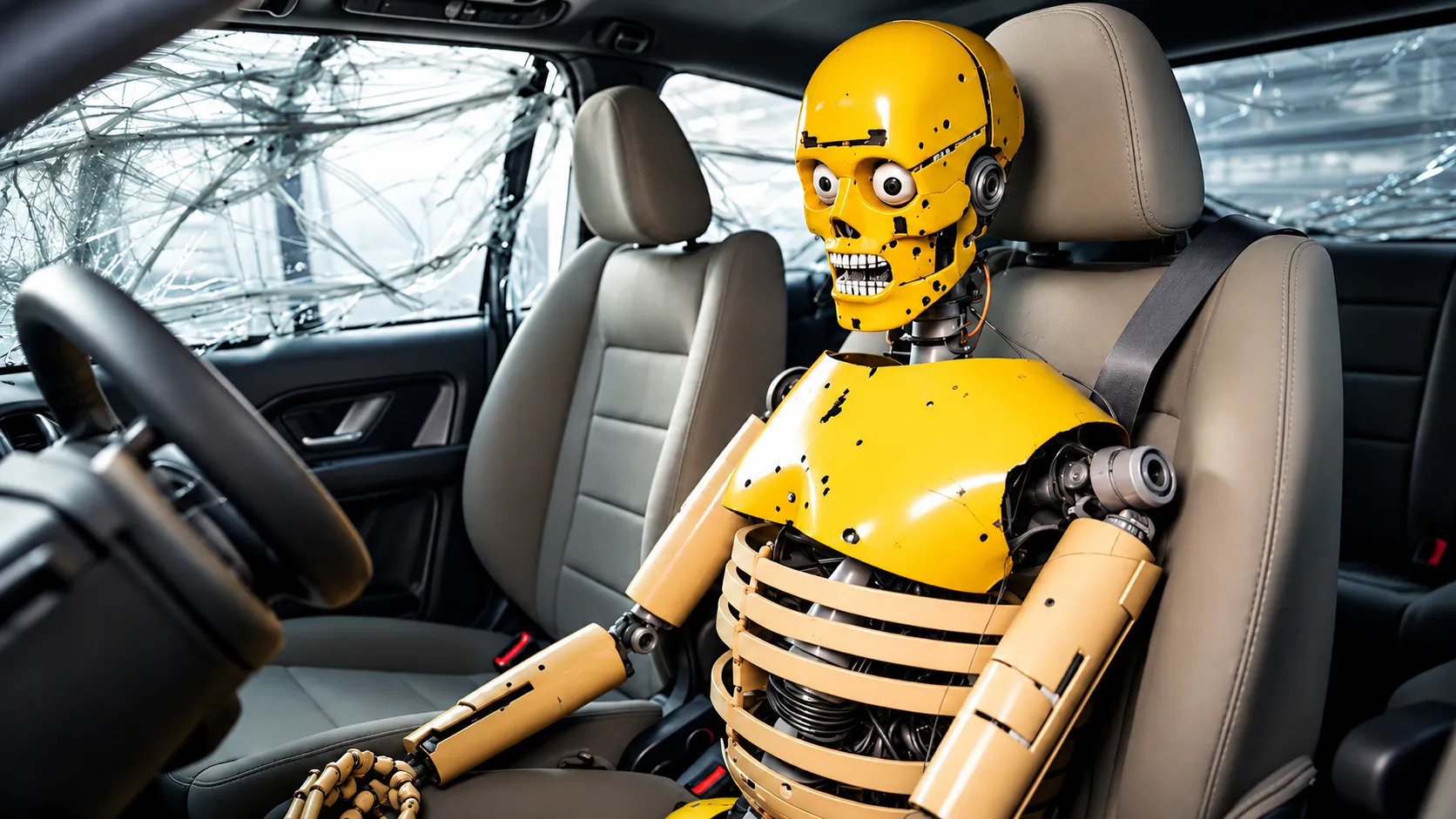
Nigam is chief executive of Circuit Breaker Labs, a startup she co-founded with her brother, Arul Nigam, the company's chief technology officer. The company has built AI agents that act like an army of crash-test dummies, simulating users of different ages, backgrounds, languages and cultures to test whether AI models respond appropriately to psychologically risky interactions.

Circuit Breaker Labs has been named one of TechCrunch's Startup Battlefield 200 finalists for 2026 and will pitch at TechCrunch Disrupt, which takes place at Moscone West in San Francisco from 13 to 15 October, TechCrunch reported on 2 October.

The company is small, with five employees including the two founders, and is at a very early stage. But it is working on a problem that has moved rapidly from the margins of the technology industry to the centre of legal, regulatory and public concern.

The problem: AI that misses the signals

The Nigams were motivated by the case of Sewell Setzer, a 14-year-old who developed an emotional attachment to a chatbot on Character.AI and later died by suicide. His parents alleged in a 2024 lawsuit that the chatbot had encouraged him. Earlier this year, Character.AI settled several wrongful death lawsuits brought by families of underage users, and multiple families have also sued OpenAI over ChatGPT's alleged role in loved ones' deaths and delusions.

Arul Nigam said the chatbot in such cases may not have understood the real meaning of what a user was saying. Many people, especially young people, turn to AI systems for support, he said, and "usually they aren't actually getting the help they need".

The risk he describes is not primarily from users trying to break or manipulate AI systems. It is from ordinary conversations in which the system misses nuance or loses context over a long exchange and then responds in a way that causes harm. "We're trying to prevent that," he said.

Testing with realistic users

Circuit Breaker Labs' insight is that safety testing often relies on standard, carefully worded prompts that do not resemble how real people speak. Real users write with slang, typos, coded language and cultural references. A child expresses distress differently from an adult. Someone writing in a second language may phrase things in ways a model misreads.

"The way a six-year-old girl versus a 45-year-old man, or someone who speaks English as a first language versus a second language, or … gamer slang versus someone else who uses a different kind of slang, all of those can really trip up a model," Shirali Nigam said. "Models are really good at handling standard speech patterns, but nobody actually talks like that and so if the model misunderstands nuance or slang, it can go really badly."

The company works with human domain experts to build hyper-realistic user simulations and runs "red-team" tests, adversarial evaluations designed to find weaknesses, against AI models. It runs tens of thousands to hundreds of thousands of simulated interactions a day, with the aim of checking whether a model responds appropriately to risky situations that emerge gradually over many conversations, not just in a single message. A proprietary scoring method produces auditable, explainable results.

“Models are really good at handling standard speech patterns, but nobody actually talks like that.”
— Shirali Nigam, CEO, Circuit Breaker Labs
Crash-Test Robot in Shattered Car Interior (1).png

Who the customers are

For now, Circuit Breaker Labs operates as an AI safety testing lab for high-risk applications, such as AI coaching, journaling and mental health support apps. These are products where users are likely to share personal struggles and where a poorly calibrated response can do real damage. The company declined to name its customers.

Over time, the founders believe the platform could be applied to any application where users might develop intense relationships with chatbots or fall into what is sometimes called "AI psychosis", a pattern in which prolonged interaction with a chatbot reinforces harmful beliefs. That could include AI "co-worker" agents and companion apps, whose responses can vary from one interaction to the next.

A woman founder in AI safety

Shirali Nigam's role as chief executive places her among a still-small group of women leading AI companies. Women remain underrepresented among founders of venture-backed technology startups and receive a small share of venture funding, particularly in deep technology fields. In AI safety, a field that touches on psychology, ethics and child protection as much as engineering, diverse leadership can shape which risks are noticed and prioritised.

The company's emphasis on how different groups speak, by age, gender, language and culture, reflects that perspective. Safety tests designed around a narrow image of a typical user will miss the experiences of many people who actually use these products.

Pressure on the industry is rising

Circuit Breaker Labs is entering a market shaped by growing scrutiny. Lawsuits against chatbot companies have raised the legal stakes of safety failures. Regulators in several jurisdictions are examining protections for minors online, and AI companies are under pressure to show that their products are safe for vulnerable users. This week, top AI executives met at the White House and agreed to self-police their industry following several high-profile mishaps, according to NPR.

Arul Nigam acknowledged that public scepticism about AI is growing. Some caution is healthy, he said, but banning a potentially valuable tool over safety concerns would be "regressive". The company's answer is to make AI demonstrably safer. "We want to help build that trust for people," he said.

Global relevance

The issue is not confined to the United States. In India, millions of young people use AI chatbots for study help, companionship and advice, often in a mix of English and Indian languages. Testing that accounts for multilingual speech, regional slang and cultural context is particularly important in such markets, where models trained mainly on standard English may misread users.

For Circuit Breaker Labs, the Disrupt stage offers a chance to reach investors and customers. Its challenge will be to scale from a five-person lab into a trusted standard for AI safety testing. If it succeeds, the crash-test dummies it has built could help ensure that the next generation of AI assistants recognises when a person needs help and responds the way a caring human would.

If you or someone you know is struggling, please reach out to a local mental health helpline or a trusted person for support.

TagsCircuit Breaker LabsShirali NigamArul NigamWomen FoundersAI SafetyChatbotsMental HealthChild SafetyRed TeamingStartup BattlefieldTechCrunch DisruptResponsible AITrust and SafetyWomen in Tech

Reader reviews

Sign in to rate and review this article.
Loading reviews…

