
Climate Investment Partners has raised $3 billion for a new clean energy infrastructure fund, according to reporting from ESG Today's weekly review published the week of August 23, 2026, adding to a wave of large-scale capital commitments toward the global energy transition that continue to flow even as political consensus around climate policy has fractured across several major economies.
The fund's closure at $3 billion places it among the more substantial dedicated clean energy infrastructure vehicles raised in 2026, reflecting sustained institutional investor appetite for the sector despite a broader environment in which governments that once led on climate policy have increasingly recalibrated their priorities toward national security, trade competitiveness and technological leadership amid growing geopolitical fragmentation.
Clean energy infrastructure funds of this scale typically target investments across renewable generation assets such as solar and wind farms, energy storage systems, grid modernisation projects and increasingly, the energy infrastructure required to support the rapidly growing power demands of AI data centres — a category that has emerged as one of the most significant new sources of electricity demand globally as AI computing scales at an unprecedented pace.
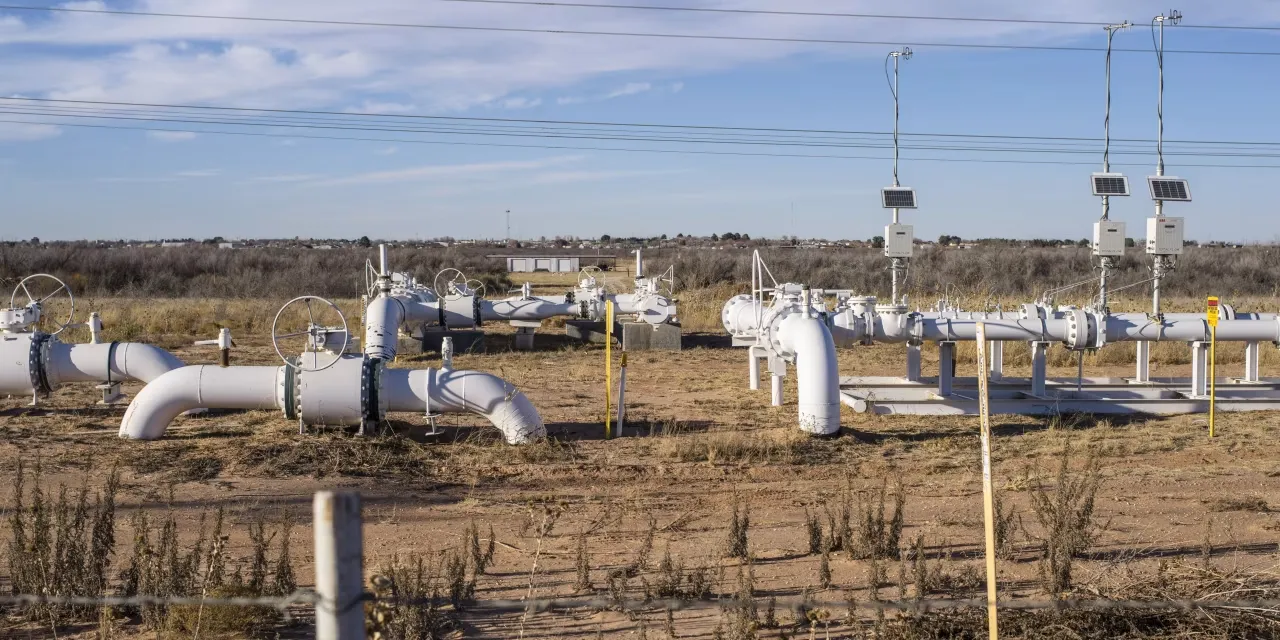
The raise comes amid a broader pattern of significant capital commitments to clean energy infrastructure reported across the same period, including Canada's commitment to back $50 billion in new clean energy project investments and Google's $60 million investment in new water infrastructure projects, together illustrating that despite a more politically fragmented global environment around climate policy, capital markets continue to move on their own momentum, rewarding commercially viable transition technologies largely independent of the shifting political winds around formal climate commitments.
This dynamic — capital continuing to flow toward the energy transition even as explicit political consensus on climate action weakens in several jurisdictions — reflects a broader trend increasingly observed across the sustainability and climate finance sector through 2026, in which investment decisions are being driven less by policy mandate and more by the underlying commercial economics of renewable energy, which in many markets has become cost-competitive with, or cheaper than, fossil fuel-based generation, independent of any climate-specific subsidy or regulatory support.
Artificial intelligence has emerged as a particularly significant accelerant of this dynamic, with the enormous electricity demands of AI data centres creating powerful commercial incentives for continued investment in clean energy generation capacity, simply as a means of meeting the raw power requirements of the AI industry's continued expansion, independent of any climate-specific investment thesis.
As Climate Investment Partners begins deploying its newly raised $3 billion, the fund's investment choices will offer an important signal of where institutional capital sees the most compelling near-term opportunities within the clean energy infrastructure sector, at a moment when the underlying commercial logic for renewable energy investment appears to be strengthening even as the broader political and regulatory environment around climate policy continues to fragment across different regions and jurisdictions globally.