ImpactHealthcare2 MIN READ

Coal India Launches New CSR Initiatives for Rare-Disease and Congenital Care

Coal India has unveiled new CSR healthcare initiatives, including a bone-marrow-transplant programme and the Thalassemia Bal Seva Yojana, extending its decade-long commitment to child healthcare across mining communities.

By Shaym Kumar · Author9 September 2026New
Coal India Launches New CSR Initiatives for Rare-Disease and Congenital Care

Coal India Limited has launched a set of new corporate social responsibility initiatives focused on healthcare interventions for children, including support for bone-marrow transplants and the Thalassemia Bal Seva Yojana, aimed at expanding access to care for congenital and rare blood disorders among underserved communities, the company confirmed on September 9, 2026. The launch extends what officials described as Coal India's decade-long commitment to healthcare-focused CSR spending.

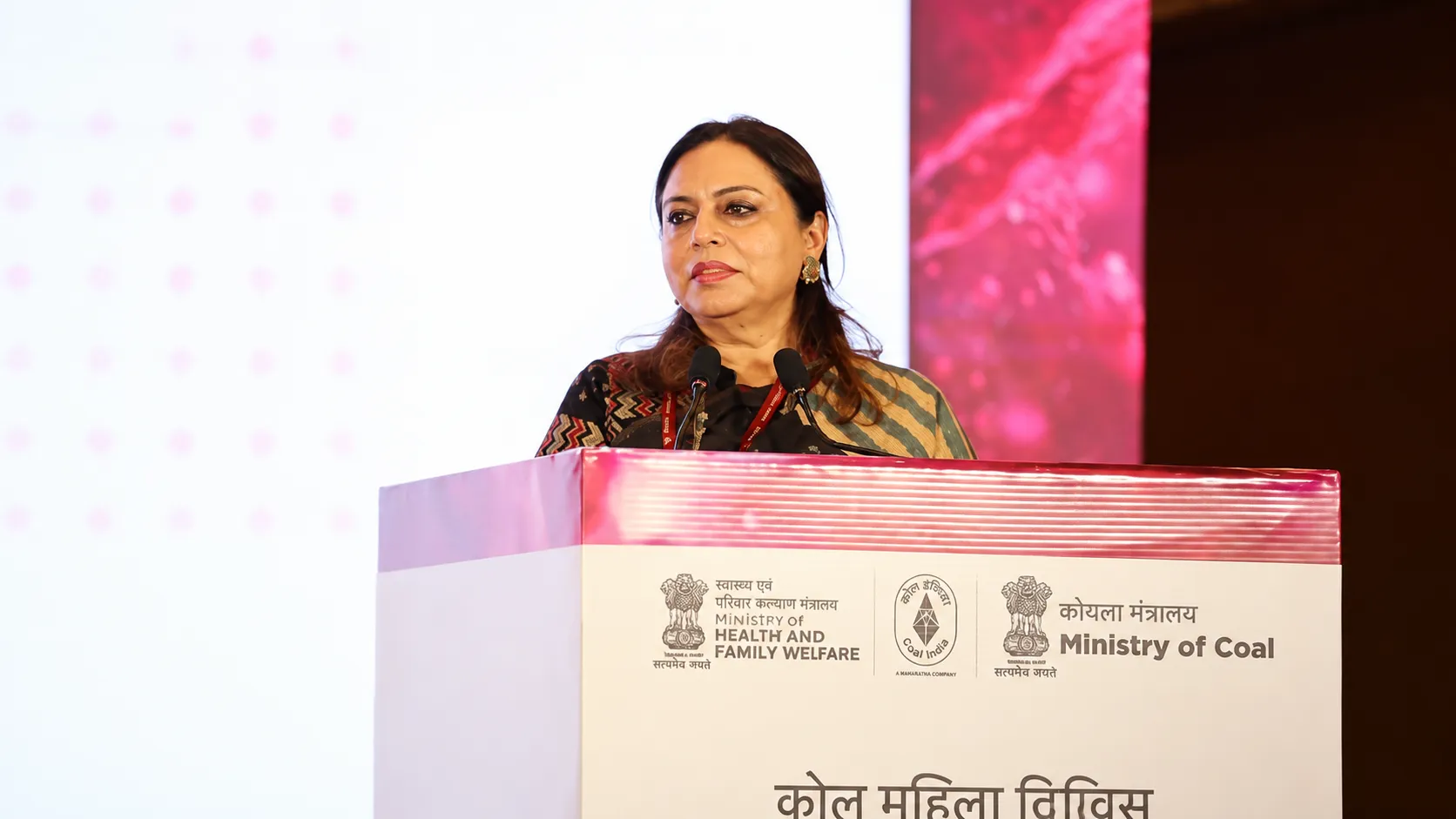
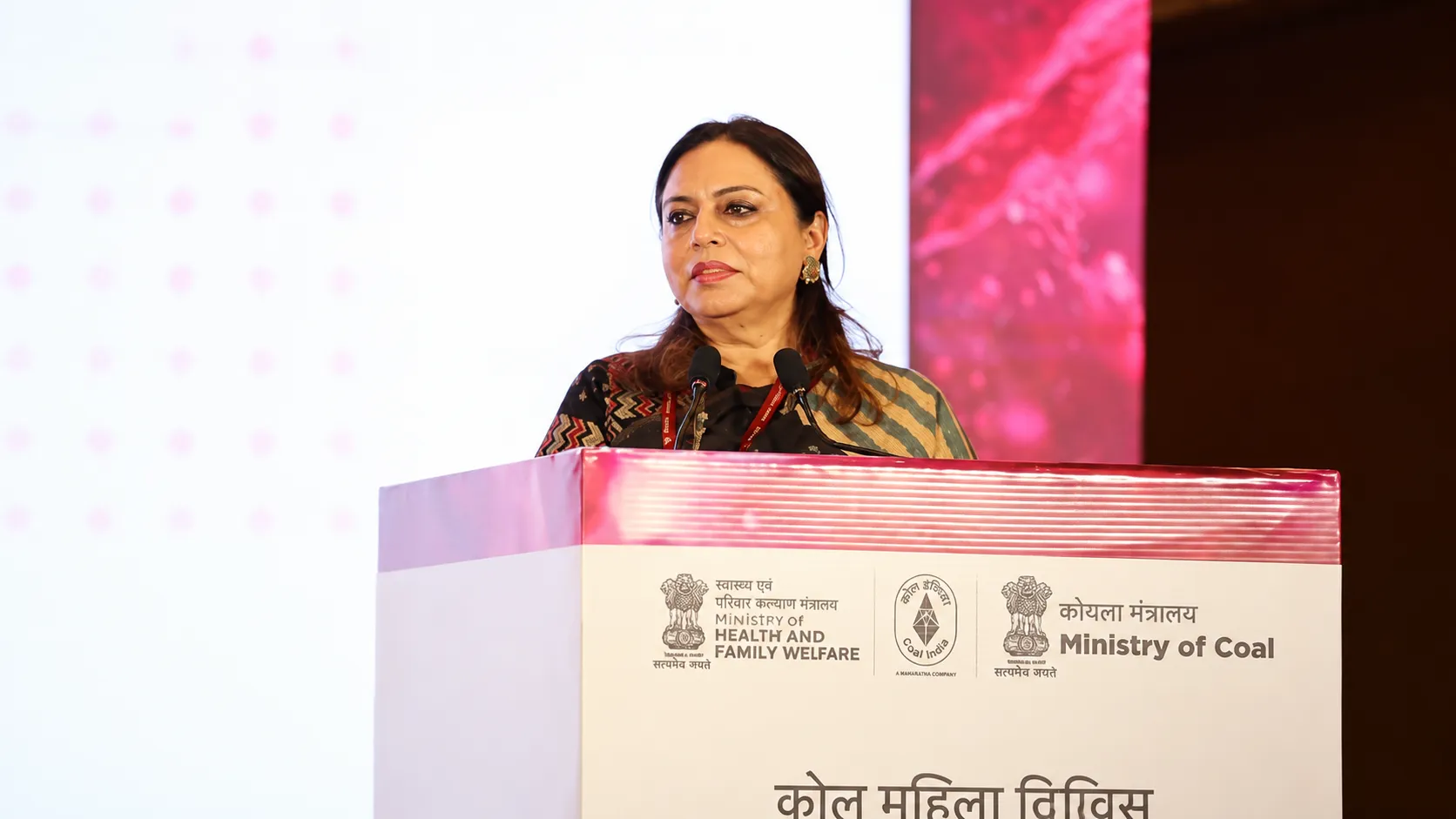
At the launch event, Union ministers overseeing the coal sector praised the state-run miner's sustained investment in healthcare and education CSR programmes, framing the new initiatives as part of a broader collaborative approach involving government agencies, implementing partners and families to strengthen support systems for children with serious medical needs. Officials from the Ministry of Coal, including the ministry's secretary, underscored the importance of ensuring every child has access to essential healthcare regardless of family income or geographic location, while an additional secretary highlighted the need for transparency, accountability and scalability in how CSR-funded healthcare interventions are delivered.

Thalassemia, a genetic blood disorder requiring regular transfusions and, in more severe cases, bone-marrow transplantation, disproportionately affects children in India, where the country carries one of the world's largest thalassemia patient populations. Treatment costs, particularly for transplants, remain prohibitively expensive for many families without access to structured financial or institutional support — a gap that CSR-funded healthcare programmes from large public-sector enterprises like Coal India are increasingly positioned to help close.

A decade of sustained CSR investment gives Coal India's new child-healthcare push an institutional credibility that untested pilot programmes rarely carry.
TIGI Impact Desk
image.png

India's Companies Act, 2013, mandates CSR expenditure for eligible companies, requiring firms above certain profitability thresholds to direct a portion of earnings toward social development activities. Over the past decade, this framework has channelled significant corporate capital toward healthcare, education and environmental initiatives, with public-sector enterprises such as Coal India among the largest single contributors given the scale of their profitability and workforce footprint across mining regions that often coincide with under-resourced rural healthcare infrastructure.

The new initiatives build on Coal India's existing CSR healthcare portfolio and are expected to particularly benefit communities in and around the company's mining operations, many of which are located in economically disadvantaged districts of eastern and central India where access to specialised paediatric care remains limited. By pairing direct healthcare interventions with structured monitoring and partner-agency involvement, the programme aims to demonstrate a scalable model for corporate-funded rare-disease care that other large Indian enterprises could potentially replicate.

Healthcare policy observers note that CSR-funded interventions, while valuable, remain supplementary to broader public-health system strengthening, and the long-term sustainability of programmes like the Thalassemia Bal Seva Yojana will depend on continued institutional coordination between corporate funders, government health authorities and local implementing partners. Coal India's decade-long track record in this space, however, positions the new launch as an extension of an established programme rather than an untested pilot, lending it a degree of institutional credibility as it scales.

TagsCoal IndiaCSRHealthcareThalassemiaChildrenCorporate Social ResponsibilityIndia

Reader reviews

Sign in to rate and review this article.
Loading reviews…