ImpactAnalysis5 MIN READ

COP31 Collapses Without a Deal as EU, UK and Vulnerable Nations Reject Antalya Pact Over Fossil Fuels

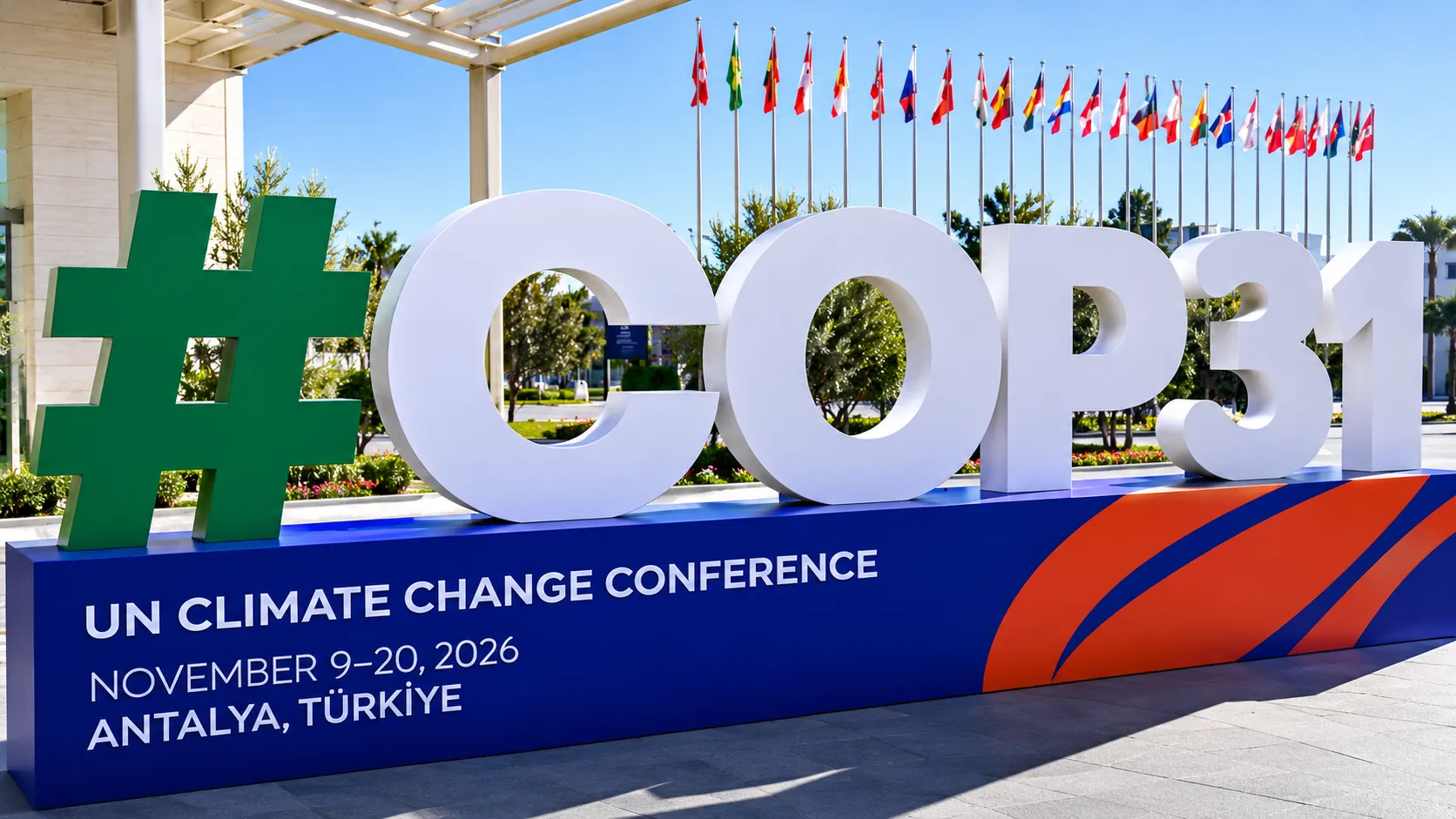
The COP31 climate summit in Antalya ended on November 22 without an overarching agreement, after the EU, UK and several developing countries rejected a draft that did not explicitly address moving away from fossil fuels.

By Nisha Omkumar · Author23 November 2026Breaking
COP31 Collapses Without a Deal as EU, UK and Vulnerable Nations Reject Antalya Pact Over Fossil Fuels

The United Nations climate summit in Antalya, Türkiye, ended on Sunday, November 22, without an overarching political agreement. The outcome dealt a significant blow to international efforts to accelerate action on climate change.

The European Union, the United Kingdom and several developing countries rejected the proposed final deal, known as the "Antalya Pact," because it failed to explicitly address the transition away from fossil fuels. Without consensus, the agreement could not be adopted.

COP31 President Murat Kurum, Türkiye's environment minister, confirmed at the closing plenary that the final decision document had not been adopted. The conference, which opened on November 9 and was scheduled to end on Friday, November 20, ran two days past its deadline. That made it the longest UN climate summit on record.

What the Antalya Pact proposed

The draft agreement was prepared under the joint leadership of Türkiye, which hosted the summit, and Australia, which presided over the negotiations. It reaffirmed the goal of limiting global warming to 1.5°C above pre-industrial levels and called for deep, rapid and sustained emissions reductions.

The pact also encouraged electrification, proposed expanding climate finance for developing nations and sought to limit any temporary overshoot of the 1.5°C threshold.

However, it stopped short of explicitly recognising the need to transition away from fossil fuels. More than 130 countries had supported including such language. At COP28 in Dubai in 2023, countries had agreed for the first time to transition away from fossil fuels in energy systems. Many governments viewed reaffirming and strengthening that commitment as essential.

The draft also included provisions on carbon capture and storage (CCS). Critics argued that these provisions could allow continued fossil fuel use by relying on technology to capture emissions, rather than reducing the use of oil, gas and coal. Saudi Arabia defended the inclusion of CCS.

Who rejected the deal

The EU and the UK led the opposition, backed by countries including Panama, the Marshall Islands and Norway, along with several developing countries. Ireland's climate minister, Darragh O'Brien, speaking on behalf of the EU, said the bloc would not endorse an agreement that failed to explicitly mention fossil fuels.

Major fossil fuel producers, including Russia and Saudi Arabia, resisted stronger language. China, Pakistan and the African Group did not reject the pact, despite having reservations.

The divisions reflected long-standing fault lines in climate negotiations. Countries most vulnerable to climate change, such as small island states, have pushed for faster action on fossil fuels. Fossil fuel producers have resisted language that could threaten their economies.

Reactions

The failure drew sharp criticism from climate advocates. Mohamed Adow of the think tank Power Shift Africa described COP31 as "the worst climate summit to date."

Chris Bowen, Australia's climate minister, who served as president of the negotiations, described the outcome as "deeply disappointing."

The collapse is likely to raise questions about the effectiveness of the UN climate process, which requires consensus among nearly 200 countries. Some observers argue that the consensus requirement allows a small number of countries to block progress. Others say the process remains the only forum where all countries can negotiate on equal terms.

What was agreed
“The worst climate summit to date.”
— Mohamed Adow, Power Shift Africa

Although the headline agreement failed, countries did reach decisions on some other issues. Governments agreed on measures related to a just transition, setting a deadline for how workers and communities can help shape a just transition mechanism. They also agreed on next steps for scrutinising climate finance.

These decisions are narrower than the headline deal, but they provide some continuity for work under the Paris Agreement.

Outside the formal negotiations, the summit also produced a number of financial announcements and investment deals, including commitments by development banks, philanthropic organisations and the host country.

8cd89e9c-b9ca-4d9f-8632-3552261af1fd.png

Why it matters

The failure in Antalya comes at a critical moment for climate action. Global emissions remain high, and scientists warn that the world is on track to exceed the 1.5°C threshold, at least temporarily. Earlier in November, the UN Environment Programme warned that the world is not ready to adapt to current climate conditions, let alone further warming.

Countries are also expected to strengthen their national climate plans, known as nationally determined contributions, in the coming years. A weak international outcome could reduce pressure on governments to raise their ambition.

The summit took place against a difficult geopolitical backdrop, including the conflict involving Iran, which disrupted energy markets and pushed up oil prices for much of the year. Energy security concerns have strengthened the position of countries that emphasise continued fossil fuel use.

India's position

India has generally argued in climate negotiations that developed countries, which are responsible for most historical emissions, should take the lead in cutting emissions and provide finance to developing countries. India has resisted language that would require it to phase out coal on a specific timeline, citing its development needs and energy security.

At the same time, India has rapidly expanded renewable energy and set a target of 500 GW of non-fossil capacity by 2030, along with a net-zero goal for 2070. The outcome of COP31 is unlikely to change India's domestic energy transition, which is driven largely by economics and energy security.

What it means for business and investors

For businesses and investors, the failure of COP31 adds uncertainty about the pace of the global energy transition. Clear international commitments can give companies confidence to invest in clean technologies, while weaker signals may slow some investments.

However, many of the drivers of the energy transition are now economic rather than diplomatic. Solar power, wind power and batteries have become cheaper than fossil fuels in many markets, and electric vehicle adoption continues to grow. National policies, corporate commitments and investor pressure will continue to shape the transition regardless of the outcome of any single summit.

The road to COP32

The next UN climate conference, COP32, is scheduled to take place in Addis Ababa, Ethiopia, in 2027. Hosting the summit in Africa is likely to put adaptation, climate finance and the needs of vulnerable countries at the centre of the agenda.

For The Impactful Global Indian's readers, the outcome in Antalya is a reminder that international climate cooperation remains fragile. The coming year will show whether countries can rebuild momentum, or whether the divisions exposed at COP31 deepen further.

TagsCOP31Antalya PactClimate ChangeFossil FuelsUNFCCCEuropean UnionCarbon CaptureClimate FinanceTurkeyAustraliaChris BowenMurat KurumJust TransitionParis AgreementIndia Climate Policy

Reader reviews

Sign in to rate and review this article.
Loading reviews…