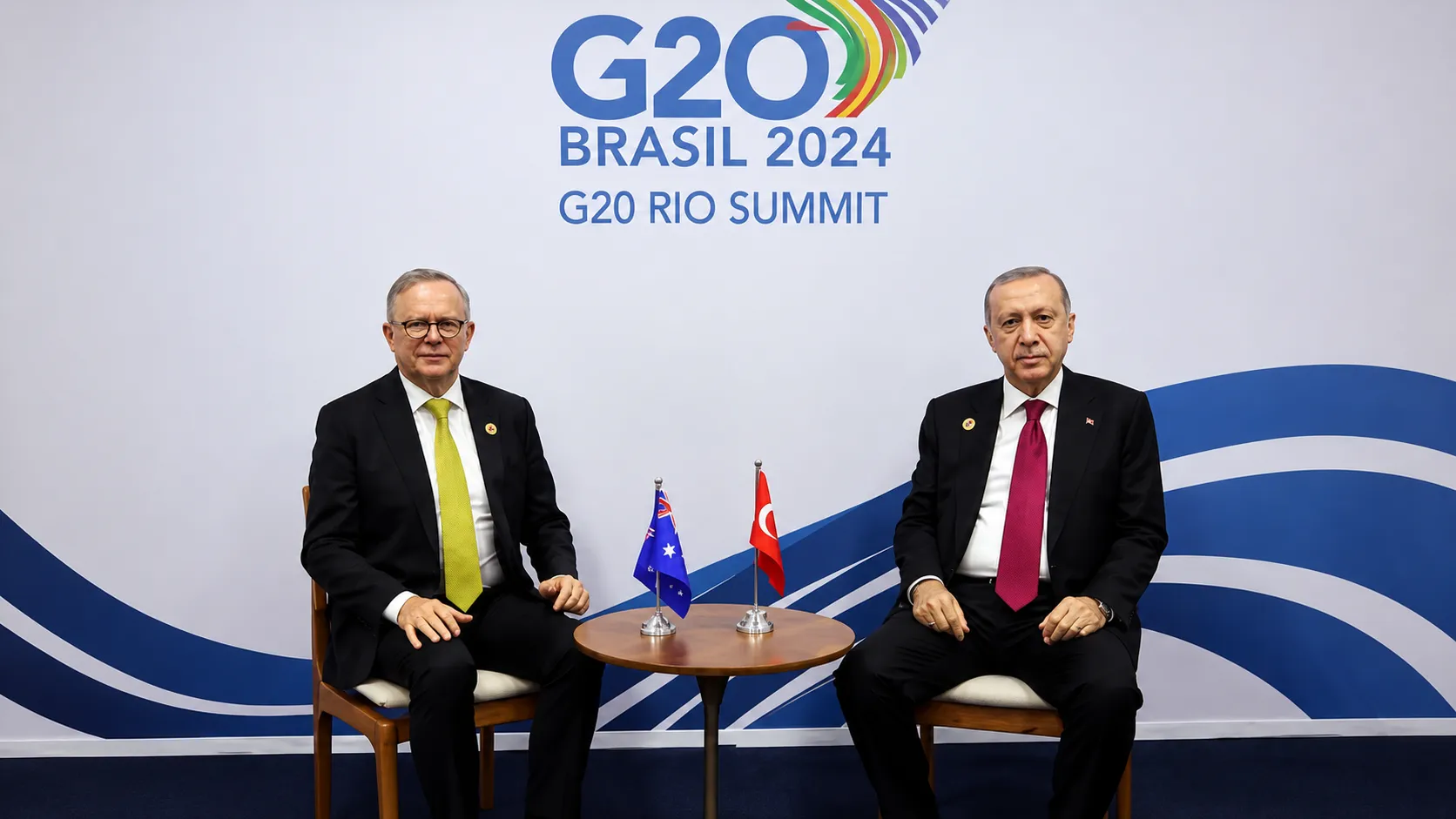
Türkiye and Australia, serving as co-presidents of the upcoming COP31 United Nations climate summit scheduled for Antalya, have called for renewed multilateral commitment on climate action, placing clean energy and resilient infrastructure at the top of the agenda for the conference. The joint call reflects the unusual co-presidency structure adopted for COP31, following prolonged negotiations between the two countries over hosting rights for the summit.
The co-presidency arrangement itself has drawn attention within international climate diplomacy circles, given that COP host responsibilities have traditionally rested with a single country. The shared arrangement between Türkiye, hosting the summit in Antalya, and Australia is widely seen as a compromise reached after both countries had separately sought to host the conference, reflecting broader tensions within regional negotiating blocs over COP hosting rotations.
The summit arrives at a difficult juncture for global climate diplomacy. Successive years of record-breaking global temperatures, combined with what climate researchers describe as a near-inevitable temporary overshoot of the Paris Agreement's 1.5-degree Celsius warming target, have shifted the tenor of climate negotiations from primarily emissions-reduction pledges toward a more complex dual focus on both accelerating decarbonisation and building resilience to climate impacts that are now considered largely unavoidable over the coming decades.
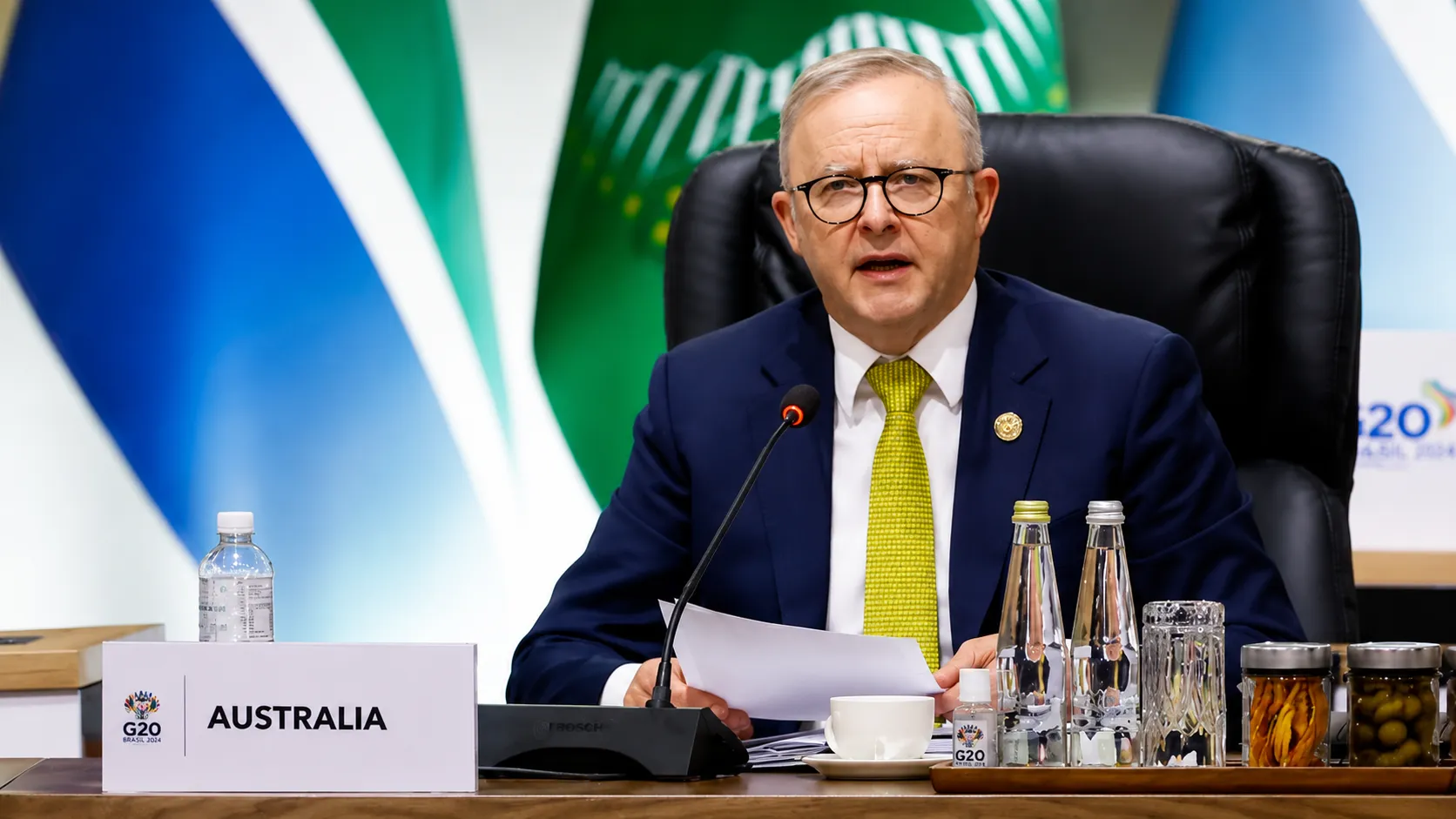
Clean energy deployment and resilient infrastructure — the two priorities highlighted by the COP31 co-presidents — reflect that shift. Clean energy remains central to the summit's mitigation agenda, building on recent milestones including wind and solar power overtaking natural gas in global electricity generation for the first time. Resilient infrastructure, meanwhile, speaks to the adaptation agenda that has grown in prominence at recent COP summits, as countries increasingly grapple with the economic costs of extreme weather events, sea-level rise and disrupted agricultural systems.
The 64th session of the UNFCCC Subsidiary Bodies, held earlier in the year, laid groundwork for COP31 by bringing together negotiating parties to discuss climate finance mechanisms, best practices for national climate strategies, and emerging technology considerations ahead of the full summit. Climate finance in particular is expected to remain a central point of contention at COP31, as developing nations continue to press wealthier countries for more substantial and predictable funding commitments to support both mitigation and adaptation efforts.
Neither Türkiye nor Australia has yet released a detailed formal agenda for COP31 beyond the broad priorities of clean energy and resilient infrastructure. As with prior COP summits, the gap between the ambitions articulated by summit co-presidents ahead of the conference and the substance of agreements ultimately reached during the negotiations themselves will be closely watched by climate researchers, negotiators and civil society observers alike.