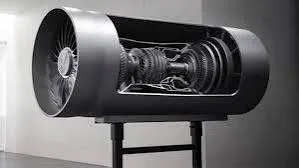
Crusoe, one of the fastest-growing builders of data centres for artificial intelligence, has cancelled a $1.25 billion agreement to buy gas-fired turbines from Boom Supersonic, removing the launch customer for a power business that the supersonic jet developer had hoped would help fund its aircraft programme.
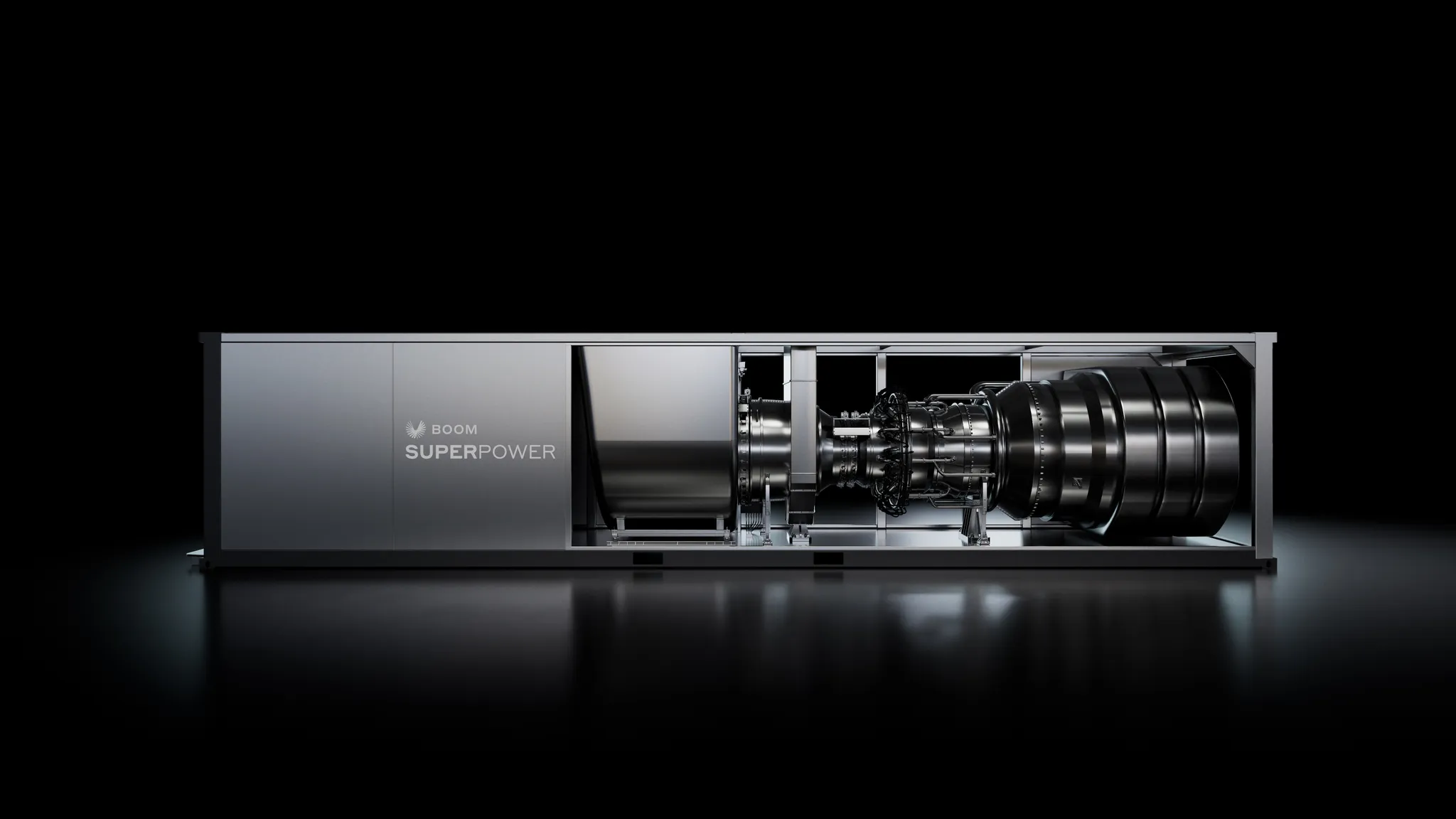
Under the deal, announced last year, Crusoe was to buy 29 of Boom's 42-megawatt Superpower turbines, with first deliveries scheduled for 2027. Boom chief executive Blake Scholl confirmed on Friday that the partnership had ended. "The TL/DR is that turbines are no longer part of Crusoe's near term primary power mix at Abilene/etc," he wrote in a post on X, TechCrunch reported.
Crusoe confirmed the decision. "While Boom has been a great partner, the partnership isn't the right fit today," a spokesperson, Andrew Schmitt, told TechCrunch, adding that the company would remain flexible in choosing energy sources for each site, including wind, solar, batteries and grid power.
From flared gas to frontier AI
Crusoe was founded in 2018 as a bitcoin miner that ran on excess natural gas from oil fields, gas that would otherwise have been flared. It has since become one of the largest developers of AI data centres in the United States. Its best-known project is a large campus in Abilene, Texas, that supplies computing capacity to OpenAI, and it is also building a 900-megawatt data centre in Abilene for Microsoft that will be powered by on-site gas turbines.
The company recently raised $3.9 billion at a reported valuation of $30.9 billion, and recent reports said it had also dropped plans for a campus in Wyoming. The cancellation of the Boom agreement is the latest sign that Crusoe is reshaping its development pipeline as the economics of AI infrastructure evolve.
Boom's bet on the ground
For Boom Supersonic, the decision is a setback. The Denver-based company is best known for developing Overture, a supersonic passenger jet. Last year it launched a separate business selling stationary power plants based on the engine it is developing for that aircraft. Its Superpower turbine shares about 80% of its parts with Symphony, the engine intended for Overture.
The logic was twofold: selling turbines to power-hungry data centres would generate revenue to support the costly development of a new aircraft, and producing engine components at greater volume would help bring down costs. Boom raised $300 million, largely to commercialise the power business. Losing its first and most prominent customer raises questions about demand, although Scholl said Boom still plans to deliver about 250 megawatts of turbines to other customers next year and is targeting 1 gigawatt by 2028.
The power problem behind the AI boom
The episode highlights the central constraint facing the AI infrastructure build-out: electricity. Data centres that train and run large AI models require enormous amounts of power, and grid connections in many parts of the United States can take years to secure. Developers have responded by building their own generation on site, often using natural gas turbines that can be installed faster than new transmission lines.
That approach has attracted criticism from climate advocates, who warn that a wave of new gas-fired capacity could lock in emissions for decades just as the energy transition accelerates. It has also created intense competition for turbines, with established manufacturers reporting long waiting lists. Boom's pitch was that it could supply turbines faster, using aerospace-derived technology.
Crusoe's statement that it will remain flexible across wind, solar, batteries and the grid suggests that, at least for now, the company sees more options than it did when the Boom deal was signed. Falling battery costs, larger renewable portfolios and, in some locations, improved grid access have all changed the calculation for data centre developers. At the same time, the company continues to rely on gas turbines for its Microsoft campus, underlining that there is no single solution.
A week of power setbacks
The cancellation came in the same week that Oracle issued a force majeure notice relating to power delays at its $165 billion Stargate campus in New Mexico, a reminder that the physical constraints of the AI build-out are becoming a financial issue. Investors who have poured capital into AI infrastructure are paying closer attention to how quickly new capacity can be powered and at what cost.
Climate-focused investors have been watching closely too. Fundraising by climate-specialist venture capital firms fell by nearly 40% in 2025, according to PitchBook data discussed at Climate Week NYC this week, but AI's demand for power has pulled new money into energy generation, storage, critical minerals and grid infrastructure. How data centre developers choose to power their campuses will influence where that capital flows.
The debate over how to power AI coincided with a busy week for climate diplomacy. Climate Week NYC, which ran from September 20 to 27, shifted its focus towards adaptation and delivery as business leaders confronted a year of energy shocks and extreme weather. On September 23, United Nations Secretary-General António Guterres convened leaders from government, business and finance to press for faster implementation of existing climate commitments, an expanded clean energy transition and more accessible climate finance. Against that backdrop, the choices made by the largest AI infrastructure developers carry more weight than ever, because their electricity demand is now large enough to shape regional energy markets.
Implications for sustainability and investors
For the sustainability agenda, the shift in Crusoe's plans is a mixed signal. Walking away from 29 gas turbines reduces one potential source of new fossil-fuel generation. But the company has not committed to replacing that capacity with renewables, and its broader portfolio still includes gas-powered sites. The real test will be what mix of energy sources powers its next generation of campuses.
For Boom, the priority is to show that its turbine business has customers beyond Crusoe. Delivering 250 megawatts next year, as planned, would go some way to answering that question. For the wider market, the episode is a reminder that the AI boom is as much an energy story as a technology one. Decisions about turbines, batteries and transmission lines made today will determine not only the pace of AI deployment but also its environmental footprint for decades to come.