CureBay, a startup building a network of technology-enabled clinics in rural India, has raised about ₹100 crore in fresh funding as investors continue to back companies working to close the country's wide gap in healthcare access between cities and villages.
The pre-Series C round, announced on Thursday, October 22, was led by IvyCap Ventures, Entrackr reported. It comprises ₹69 crore in equity from IvyCap and existing investors and more than ₹30 crore in debt from Trifecta Capital, Alteria Capital and VentureSoul Partners.
The company said it would use the money to expand across India, including entering Andhra Pradesh, and to upgrade its technology and artificial intelligence capabilities for health screening, patient insights and clinical decision-making.
A six-layer model for rural care
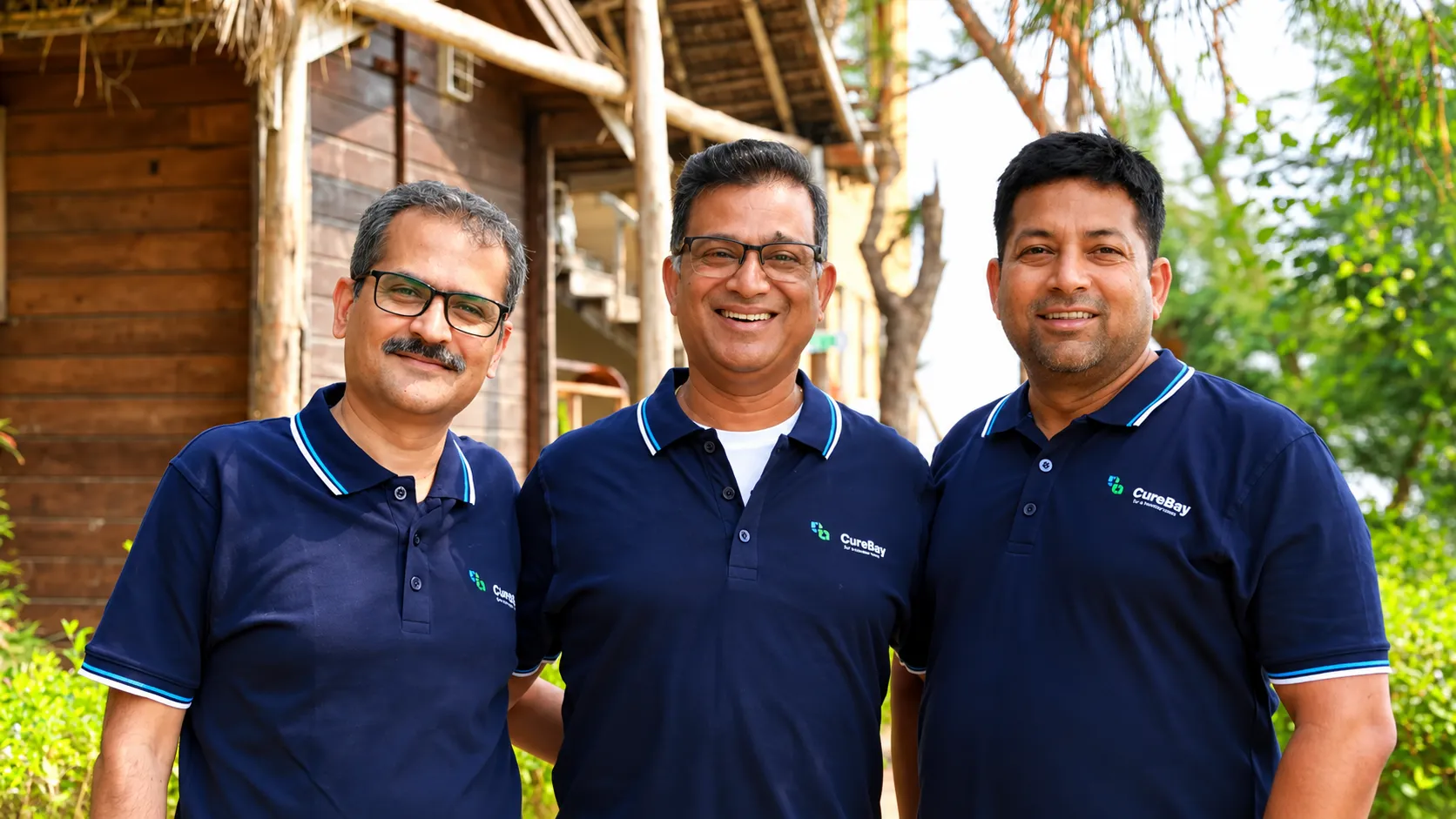
Founded in 2021 by Priyadarshi Mohapatra, Shobhan Mahapatra and Sanjay Swain, CureBay runs clinics in underserved areas that offer doctor consultations, medicines, diagnostic tests, surgery facilitation and annual health memberships.
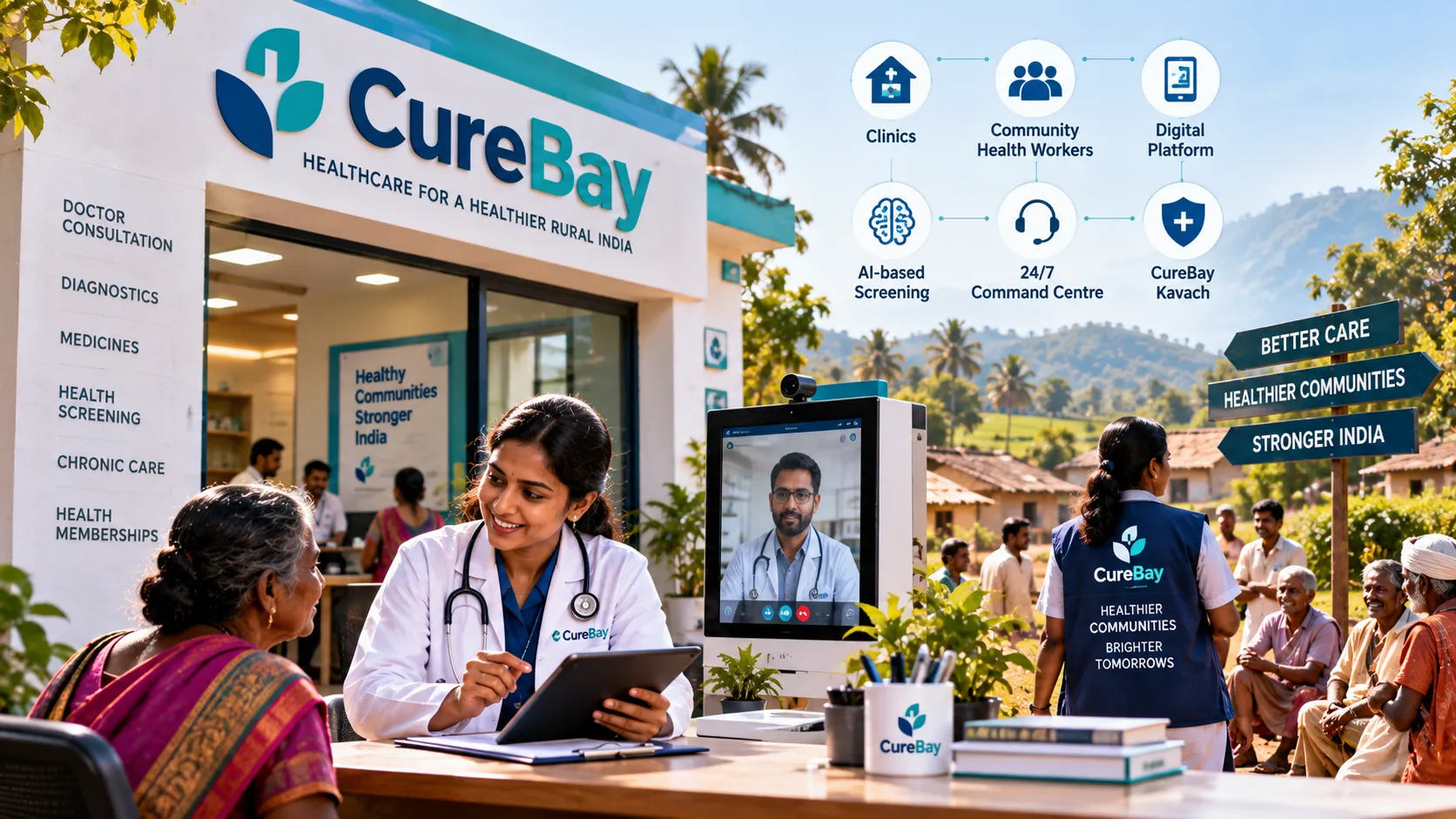
The company describes its approach as a "six layer rural healthcare system" that combines physical clinics, community health workers, a digital platform, AI-based screening, a 24/7 command centre and a programme called CureBay Kavach.
At the heart of the model are more than 1,800 community health workers, known as Swasthya Mitras, who connect villagers to care. They are supported by 530 trained clinical staff, 230 partner doctors and more than 210 partner hospitals and laboratories. CureBay operates over 250 clinics across seven states, has served more than 1.7 million patients and runs over 400 health camps a month.
The company also works with the government on healthcare delivery and has been named a healthcare partner for Samriddhi Kendra, a Government of India initiative.
A strong investor line-up
The new round builds on a $21 million Series B raised in May 2025, led by Bertelsmann India Investments, with participation from Elevar Equity and British International Investment, the UK's development finance institution.
The inclusion of venture debt from three lenders reflects a growing trend among Indian startups with established revenue to combine equity with debt, reducing dilution for founders and existing shareholders. Debt financing is typically suited to companies with predictable cash flows and assets, such as clinics and equipment.
IvyCap Ventures, which leads the round, is a Mumbai-based venture capital firm with a focus on companies founded by alumni of India's leading institutes, and has invested across healthcare, consumer and technology sectors.
The rural healthcare gap
CureBay is targeting one of India's most persistent development challenges. About two-thirds of India's population lives in rural areas, but healthcare infrastructure and doctors are concentrated in cities. Many villages lack nearby primary care, and patients often travel long distances, sometimes to district headquarters or larger cities, for basic diagnosis and treatment.
That journey costs money and time and often leads people to delay care until conditions become serious. Out-of-pocket health spending remains high in India, and illness is a common cause of households falling into debt.
Government programmes such as Ayushman Bharat, which includes health and wellness centres and a health insurance scheme for poorer families, have expanded access. But gaps in staffing, diagnostics and specialist care persist, creating space for private and hybrid models.
Why technology matters
CureBay's bet is that technology can make rural healthcare viable. Telemedicine allows doctors in cities to consult patients in villages through clinic-based video links, while digital records help track patient histories. AI-based screening tools can help identify patients at risk of conditions such as diabetes, hypertension and certain cancers, allowing earlier intervention.
The 24/7 command centre coordinates care across the network, from scheduling consultations to arranging hospital referrals. By combining a physical presence with digital tools, the company aims to deliver care at costs that rural patients can afford.
The new funding will be used to strengthen these capabilities, particularly AI tools for screening and clinical decisions, which could improve the quality and consistency of care across a dispersed network.
The business challenge
Building a profitable rural healthcare business is difficult. Rural patients have limited ability to pay, and serving dispersed populations raises costs. Companies must balance affordability with sustainability, often relying on volumes, partnerships and revenue from medicines and diagnostics.
Several health tech companies have struggled to scale rural models, and investors have become more cautious about healthcare startups since the pandemic-era boom. CureBay's ability to raise a sizeable round, including from returning investors, suggests confidence in its unit economics and growth, although the company has not disclosed revenue figures.
Why it matters for impact investors
CureBay sits at the intersection of commercial investment and social impact. Development finance institutions and impact-focused investors have increasingly backed businesses that expand access to essential services in underserved communities, provided they can show a path to financial sustainability.
The company's model also creates local employment, particularly through its Swasthya Mitras, many of whom are drawn from the communities they serve. That approach can build trust, which is crucial in healthcare, and strengthen local economies.
India's health workforce challenge
India's shortage of health workers is central to CureBay's model. The World Health Organization recommends a minimum density of doctors, nurses and midwives to deliver essential services, and India falls short in many states, particularly in rural districts. Primary health centres often operate with vacancies, and specialist posts in community health centres frequently remain unfilled.
Community health workers have long been a backbone of India's public health system. Accredited Social Health Activists, known as ASHAs, link households to government services across the country. CureBay's Swasthya Mitras play a similar connecting role in the private sector, helping patients navigate care, follow up on treatment and access medicines. Combining trained local workers with remote doctors and digital tools is one of the most promising ways to extend care where doctors are scarce.
What comes next
With fresh capital, CureBay plans to deepen its presence in existing states and enter Andhra Pradesh. Its progress will be watched as a test of whether tech-enabled, community-based healthcare can scale across India's diverse rural landscape.
If it succeeds, the model could offer lessons not only for India but for other developing countries facing similar challenges in delivering affordable primary care to rural populations. Its experience will also inform policymakers weighing how private providers can complement public health programmes in underserved districts.