ImpactSustainability5 MIN READ

A Quarter of the World's Data Centres Sit in Water-Stressed Areas, Study Finds, as AI Drives a Building Boom

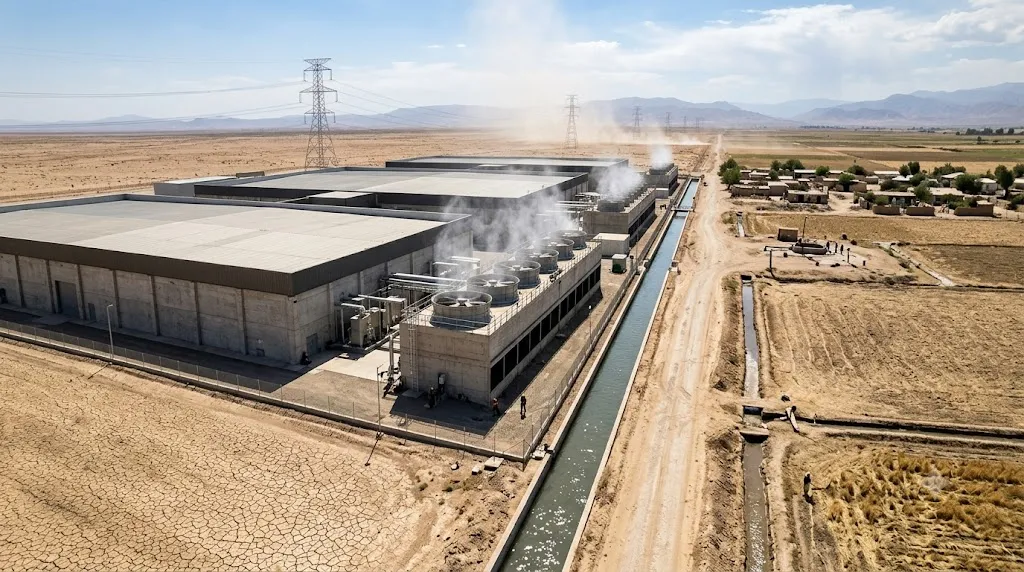
About a quarter of the world's data centres are located in areas where water demand can exceed supply, a share that could rise to a third with climate change, according to a new study published by the American Chemical Society. Researcher Lorenzo Rosa warned that facilities are "landing on top of the water supply of cities and farms."

By Prathista Lazar · Author21 October 2026New
A Quarter of the World's Data Centres Sit in Water-Stressed Areas, Study Finds, as AI Drives a Building Boom

The artificial intelligence boom is driving a global surge in data centre construction, and a new study suggests that many of these facilities are being built in places where water is already scarce.

About a quarter of the world's data centres are located in areas where water demand can exceed available supply, according to research published by the American Chemical Society (ACS). Climate change could increase that share to about a third, the researchers found, as rising temperatures and changing rainfall patterns put more regions under water stress.

"These facilities are not landing in empty landscapes. They are landing on top of the water supply of cities and farms," said Lorenzo Rosa, one of the researchers behind the study.

Why data centres need water

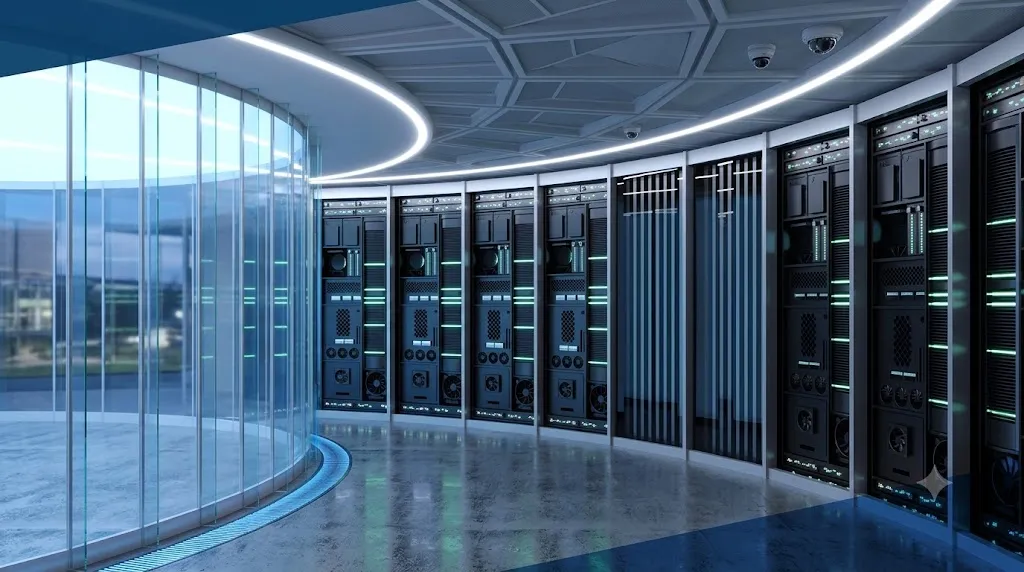
Data centres consume large amounts of electricity to power servers, and much of that energy is converted into heat. Many facilities use water-based cooling systems, such as evaporative cooling towers, to keep equipment at safe operating temperatures. These systems can consume significant volumes of water, particularly in hot climates.

Data centres also use water indirectly, through the electricity they consume. Thermal power plants, which burn coal or gas, and some other power sources require water for cooling, so the water footprint of a data centre depends in part on how its electricity is generated.

AI has intensified these demands. Training and running large AI models requires powerful chips that generate more heat than traditional servers, increasing cooling needs. As companies race to build AI infrastructure, the total water footprint of the data centre industry is growing rapidly.

Competition with cities and farms

The study's central finding is that data centres are often located in regions where they compete with other water users, including households, agriculture and industry. In water-stressed areas, demand from data centres can add pressure on already strained supplies, particularly during droughts.

Data centre locations are typically chosen based on factors such as access to electricity, fibre networks, land, tax incentives and proximity to customers. Water availability has not always been a primary consideration, although that is changing as companies and governments recognise the risks.

In several regions, data centre projects have faced opposition from local communities concerned about water use. Disputes have arisen in parts of the United States, Latin America and Europe, where residents and farmers have questioned whether scarce water should be used to cool servers.

Industry responses

Technology companies have responded by investing in more water-efficient cooling technologies. These include closed-loop systems that recycle water, air cooling in cooler climates, and liquid cooling that delivers coolant directly to chips, which can be more efficient. Some companies use recycled or non-potable water and have pledged to become "water positive," replenishing more water than they consume.

However, these measures involve trade-offs. Systems that use less water may consume more electricity, and the most efficient technologies can be expensive to deploy. Critics argue that corporate water pledges often rely on offsetting projects elsewhere and do not address local impacts in water-stressed areas.

The market for digital sustainability solutions is growing rapidly. A report from Lenovo and research firm ISG estimates that the digital sustainability market will reach $34.3 billion in 2026, reflecting demand for technologies that reduce the environmental footprint of IT.

“These facilities are not landing in empty landscapes. They are landing on top of the water supply of cities and farms.”
— Lorenzo Rosa, Researcher
77c444f5-9feb-4fc7-81e1-79db171d4230.jpeg

The climate dimension

Climate change is expected to make water stress worse in many regions. Rising temperatures increase evaporation and water demand, while changing rainfall patterns can reduce supply. Heatwaves also increase the cooling needs of data centres, potentially raising water use precisely when supplies are tightest.

The study's projection that climate change could push about a third of data centres into water-stressed areas highlights the need to factor future climate conditions into decisions about where to build. The UN Environment Programme warned on October 21 that the world is heading for more warming than previously projected, with even the most optimistic scenario reaching 1.7°C to 1.8°C by mid-century.

What it means for India

The findings are particularly relevant for India, which is experiencing a data centre boom. Global and domestic companies are investing billions of dollars in data centres in cities such as Mumbai, Chennai, Hyderabad and the National Capital Region, driven by growing digital demand, data localisation rules and AI.

Many of these cities face serious water challenges. Chennai experienced a severe water crisis in 2019, when its reservoirs nearly ran dry. Bengaluru faced acute water shortages in 2024. Groundwater depletion is a major problem across much of India, and climate change is making monsoon rainfall more erratic.

As data centre capacity expands, policymakers and companies in India will need to address water use. Options include requiring water-efficient cooling technologies, using treated wastewater, locating facilities in areas with more reliable water supplies, and powering data centres with renewable energy sources that use little water, such as solar and wind. State governments competing to attract data centre investment are increasingly including sustainability criteria in their policies.

Measuring data centre water use

Measuring the water footprint of data centres is difficult. Many companies do not disclose site-level water consumption, and the figures that are reported often cover only direct use for cooling, not the water used to generate the electricity the facilities consume. Researchers have called for more consistent and transparent reporting to allow policymakers and communities to understand the impacts.

The industry uses a metric called water usage effectiveness, which measures the litres of water consumed per kilowatt-hour of IT energy. Lower figures indicate greater efficiency, but the metric does not capture whether water is being drawn from stressed sources.

What comes next

The study adds to growing scrutiny of the environmental footprint of AI, alongside concerns about electricity demand and carbon emissions. Regulators in several jurisdictions are considering requirements for data centres to disclose water and energy use.

For the technology industry, the message is that water could become a constraint on growth. Building data centres in water-stressed areas carries operational risks, from supply disruptions to community opposition and regulatory restrictions. Companies that plan for water availability now will be better positioned as climate change intensifies pressure on supplies. In India, where data centre capacity is expected to multiply over the next few years, early planning for water could prove decisive.

Tagsdata centreswater stressAIartificial intelligencewater scarcityclimate changeLorenzo RosaAmerican Chemical Societycoolinghyperscalerssustainabilitydigital sustainabilityLenovoISGIndia data centresChennaiMumbaiHyderabadgroundwaterESG

Reader reviews

Sign in to rate and review this article.
Loading reviews…