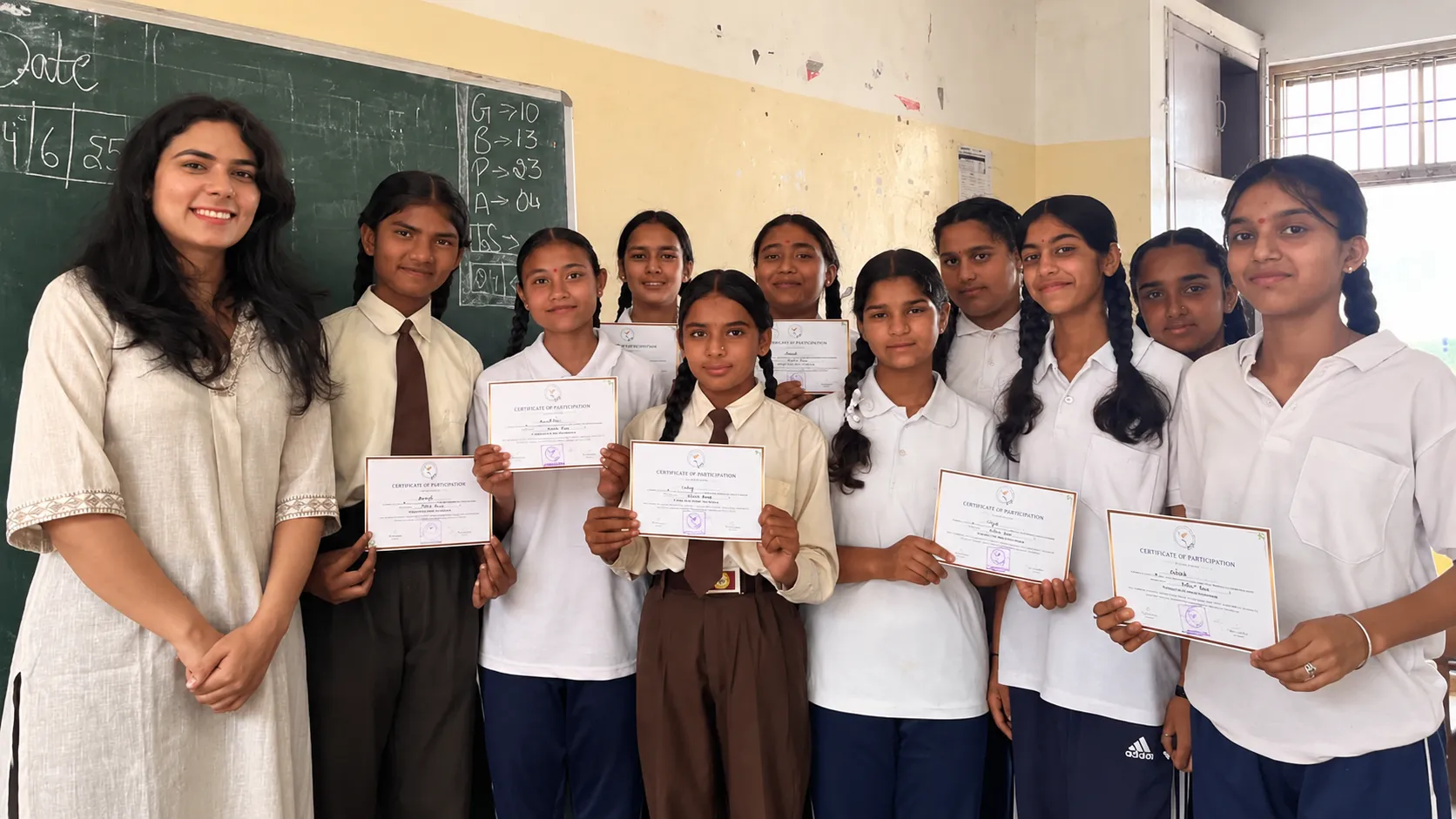
Growing up in Lank, a small village near Shamli in Uttar Pradesh, Smita Choudhary witnessed a divide that shaped much of her later work: girls in her community were routinely expected to leave school early and take on household responsibilities, while boys were encouraged to pursue higher education and build careers. That early observation of unequal expectations has since become the foundation of her work with Enlightened India Foundation, an organisation focused on empowering girls in rural Himachal Pradesh to become leaders within their own communities.
The foundation's approach centres on a premise that has become increasingly central to development practice globally: that meaningful, lasting change for girls in rural, traditionally patriarchal communities requires more than access to education alone. It requires deliberately building leadership capacity, confidence and voice — qualities that formal schooling, on its own, often fails to cultivate in environments where girls are still frequently discouraged from speaking up, taking initiative or pursuing ambitions beyond domestic roles.
Himachal Pradesh, despite ranking among India's better-performing states on several human-development indicators, continues to grapple with persistent gaps in how girls and young women are supported to pursue leadership roles, particularly in rural and mountainous districts where geographic isolation compounds social conservatism. Enlightened India Foundation's programming works directly within these communities, combining mentorship, skill-building and structured leadership development to help girls envision and pursue pathways beyond the constrained expectations many grow up with.
Choudhary's own background — shaped by witnessing the stark contrast in how her village treated boys' and girls' educational and career aspirations — informs the foundation's emphasis on community-embedded intervention rather than externally imposed programming. The organisation's model reflects a broader shift in Indian social-impact practice over the past several years, moving away from one-off awareness campaigns toward sustained, relationship-based engagement designed to shift attitudes over years rather than months.
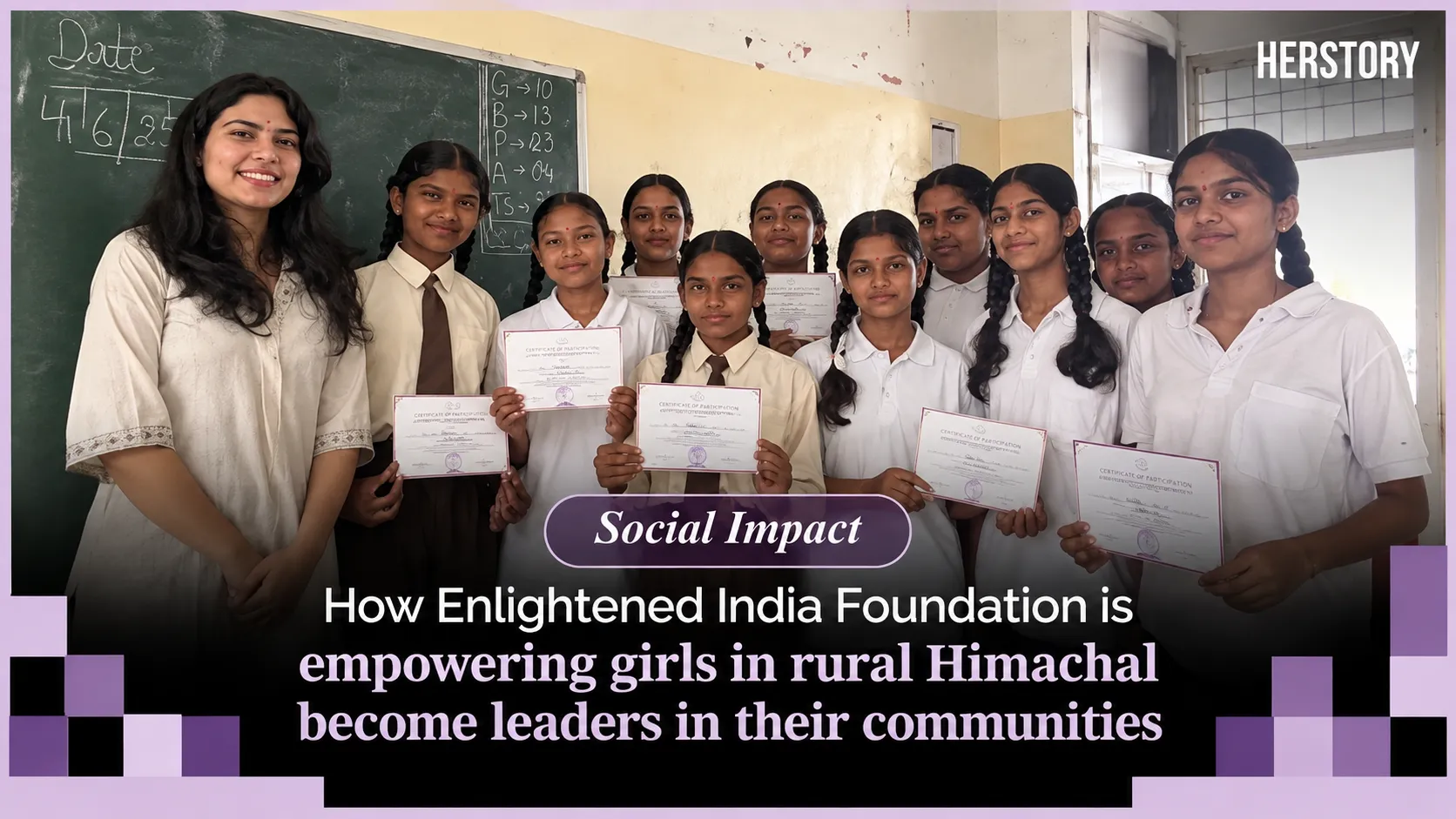
Choudhary has spoken about the foundation's work as fundamentally about expanding what girls in the communities it serves believe is possible for their own futures — a framing that reflects a growing body of development research suggesting that aspiration and self-belief, cultivated through sustained mentorship and exposure to alternative role models, can be as consequential to long-term outcomes as formal educational access alone. Enlightened India Foundation's programming has been designed specifically around this insight, pairing practical skill-building with structured opportunities for girls to interact with women who have successfully navigated similar rural, constrained-opportunity environments.
The foundation's work sits within a broader ecosystem of Indian nonprofits and social enterprises increasingly focused on girls' leadership development as a distinct intervention area, separate from — though complementary to — more traditional girls' education initiatives focused primarily on enrolment and retention. Practitioners in this space argue that enrolment alone has proven insufficient: India has made substantial progress on getting girls into classrooms over the past two decades, but translating that access into genuine leadership, economic participation and decision-making power within families and communities has proven a far harder and slower transformation.
For girls growing up in rural Himachal Pradesh, exposure to structured leadership development — through mentorship from women who have navigated similar constraints, practical skill-building, and deliberate confidence-building exercises — can meaningfully shift the trajectory of what they believe is possible for themselves, even within communities where broader social norms remain slow to change.
The organisation's continued expansion across additional villages and districts within Himachal Pradesh will likely depend on its ability to demonstrate measurable outcomes over a multi-year horizon — a challenge common to most leadership-development and empowerment-focused nonprofit programming, where impact is often gradual, qualitative and resistant to the kind of short-term metrics that funders in other social-impact categories have come to expect.
As Enlightened India Foundation continues expanding its footprint across rural Himachal Pradesh, Choudhary's own journey — from witnessing unequal expectations in her home village to building an organisation dedicated to closing that gap for a new generation of girls — stands as a reminder that some of India's most consequential social-impact work continues to happen quietly, community by community, far from the headline-grabbing corporate social-responsibility announcements that dominate much of the country's impact-sector coverage.