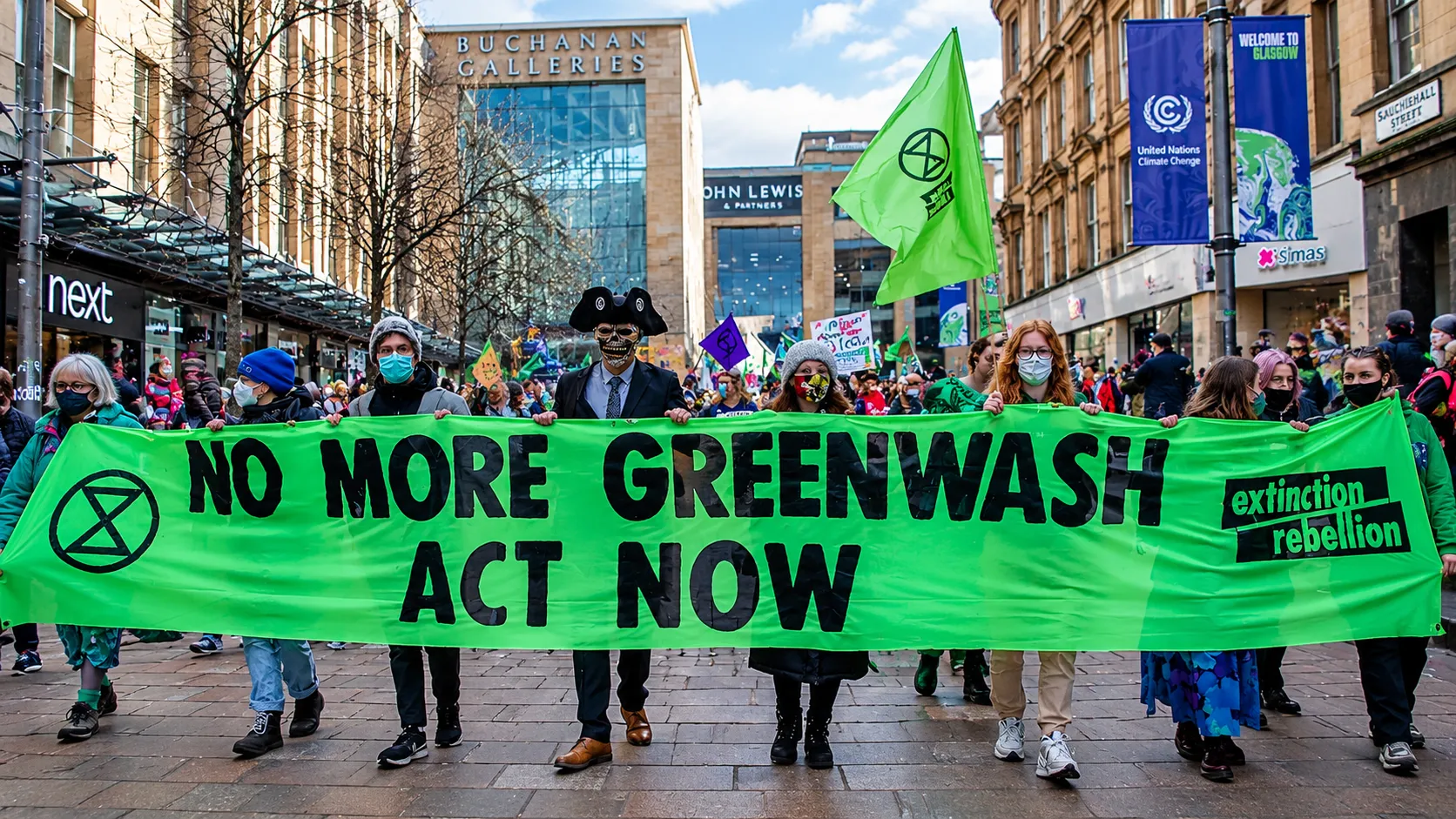
The rules governing how companies report on climate and sustainability moved in opposite directions in different parts of the world this week, leaving multinational businesses to navigate an increasingly fragmented landscape.
In Britain, the Financial Conduct Authority stepped back from plans for mandatory climate and sustainability disclosures by listed companies. In the European Union, new rules targeting misleading environmental claims entered into force. And at the international level, a closely watched attempt to create a global standard for net zero claims stalled, as a draft from the International Organization for Standardization failed to pass its first vote.
Together, the developments, compiled in ESG Today's weekly review, show that the global push on corporate sustainability has not stopped, but its direction now depends heavily on jurisdiction.
Britain chooses flexibility
The FCA dropped plans to require listed companies to report against mandatory climate and sustainability standards based on the international framework developed by the ISSB. It opted instead for a "comply or explain" approach, under which companies are expected to report against the standards or explain why they have not.
The regulator cited concerns over costs, proportionality and international competitiveness. Those concerns echo a broader debate in Britain about whether disclosure requirements have made London a less attractive listing venue compared with New York.
Supporters of the move argue that comply-or-explain has a long and successful history in British corporate governance and allows companies to adopt standards at a pace that suits them. Critics say it weakens the comparability of information that investors rely on and sends the wrong signal at a time when climate-related financial risks are growing.
The EU tightens claims
In contrast, the EU's new rules on environmental claims entered into force this week. The legislation, part of the bloc's consumer protection framework for the green transition, restricts generic environmental claims such as "eco-friendly" or "climate neutral" unless they can be substantiated. It also limits claims based solely on carbon offsetting and tightens rules on sustainability labels.
For companies that sell to European consumers, including Indian exporters of textiles, consumer goods and processed foods, the rules raise the bar on marketing language. Claims that might previously have gone unchallenged now carry legal risk.
The EU shift is mirrored in parts of the United States, despite the federal government's retreat from climate disclosure. California's Truth in Labeling law, known as SB 343, which restricts the use of recycling symbols and claims on products that are not widely recyclable, carried an October 2026 compliance deadline, although it faces legal challenges.
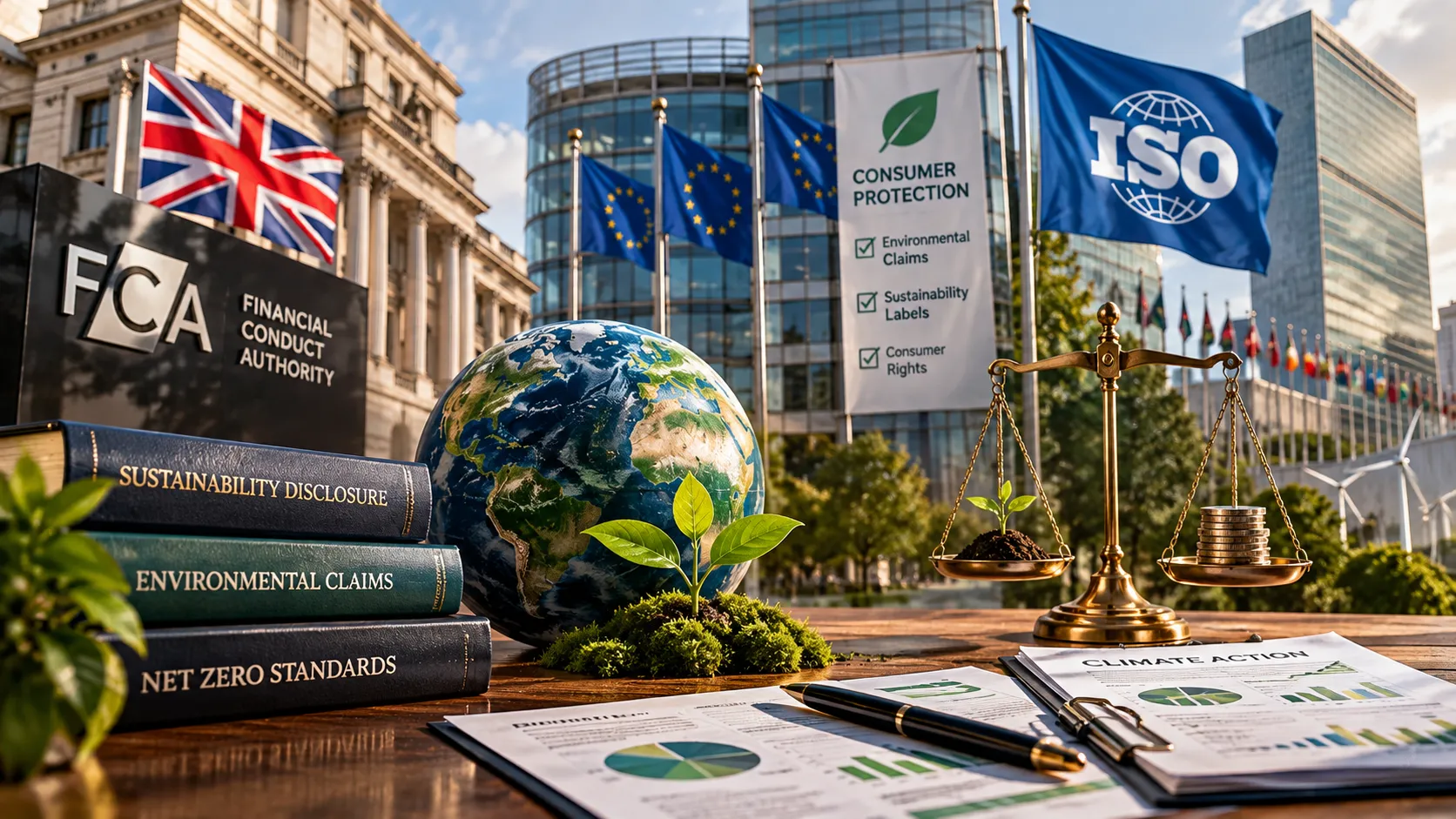
Net zero standard stalls
At the global level, ISO's proposed net zero standard failed to pass its initial vote, despite receiving record levels of feedback from stakeholders. The standard was intended to provide a common, auditable definition of what it means for an organisation to be on track to net zero emissions.
The setback reflects the difficulty of reaching consensus on contested questions, including the role of carbon offsets and how quickly companies must cut emissions within their own operations and supply chains. Without an agreed standard, companies will continue to use a variety of frameworks, and investors will continue to face difficulty comparing net zero commitments.