
ImpactSustainability5 MIN READ

EU Awards Over €390 Million to 135 LIFE Projects Across All 27 Member States for Climate and Nature

The European Commission has awarded more than €390 million to 135 new projects under its LIFE programme for environment and climate action, mobilising total investment of about €579 million across all 27 EU member states. The funding is about 9% higher than last year and covers nature, circular economy, climate adaptation and clean energy.

By Prathista Lazar · Author21 October 2026New
EU Awards Over €390 Million to 135 LIFE Projects Across All 27 Member States for Climate and Nature

The European Union has committed more than €390 million to 135 new environmental and climate projects under its LIFE programme, in a funding round that reaches every member state of the bloc.

The European Commission announced the awards this week, saying the projects will mobilise total investment of about €579 million when co-financing from project partners is included. The EU contribution is about 9% higher than in last year's round.

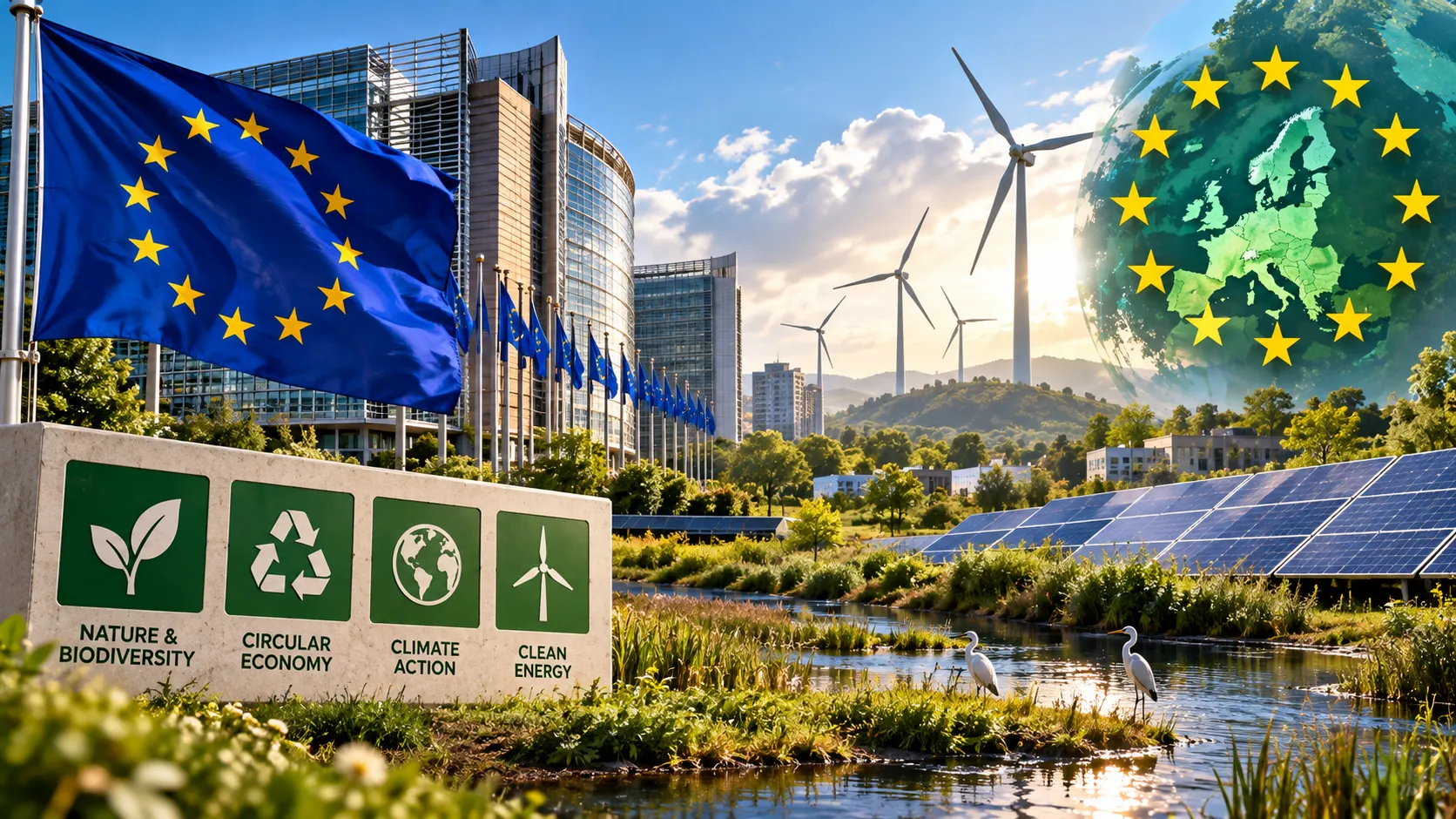
The projects span the four main strands of the LIFE programme: nature and biodiversity, circular economy and quality of life, climate change mitigation and adaptation, and the clean energy transition.

What the LIFE programme does

Established in 1992, LIFE is the EU's dedicated funding instrument for environment and climate action. It supports projects that develop and demonstrate new approaches, restore ecosystems, help implement EU environmental laws and build capacity among public authorities, businesses and civil society.

Unlike larger EU funding streams that finance infrastructure at scale, LIFE typically supports pilot and demonstration projects designed to test solutions that can later be replicated or scaled up with other funding. Over three decades, the programme has co-financed thousands of projects across Europe.

Projects funded in this round include efforts to restore wetlands, forests and rivers; protect endangered species; reduce waste and pollution; help cities and regions adapt to climate impacts such as floods and heatwaves; and support communities and businesses in shifting to clean energy.

Nature restoration in focus

Nature and biodiversity projects form a significant part of LIFE funding. The EU adopted a Nature Restoration Law in 2024, requiring member states to restore degraded ecosystems, and LIFE projects can help countries develop the methods and experience needed to meet those obligations.

Restoring ecosystems such as peatlands, wetlands and forests also contributes to climate goals, since healthy ecosystems store large amounts of carbon and can help buffer communities against extreme weather.

A busy week for EU green funding

The LIFE awards were part of a flurry of green funding announcements in Europe this week. Swedish ocean energy company Minesto received a €20.2 million grant from the EU Innovation Fund to support the development of its tidal energy technology. The Innovation Fund, financed by revenues from the EU Emissions Trading System, supports the deployment of innovative low-carbon technologies.

Ireland, meanwhile, announced a €500 million programme to support industrial decarbonisation, aimed at helping energy-intensive industries reduce emissions through measures such as electrification, energy efficiency and renewable heat.

These initiatives reflect the EU's continued commitment to its climate targets, which include cutting greenhouse gas emissions by at least 55% by 2030 compared with 1990 levels and reaching climate neutrality by 2050.

Pressures on Europe's green agenda

Europe's climate policies face growing pressure. High energy prices, concerns about industrial competitiveness, and political shifts in several member states have led to calls to slow or soften some green regulations. Farmers' protests have prompted changes to agricultural environmental rules, and some industries have argued that climate policies impose excessive costs.

At the same time, the EU has sought to frame climate action as an economic opportunity, through its Clean Industrial Deal aimed at supporting manufacturing of clean technologies in Europe. Competition with China, which dominates many clean technology supply chains, and the United States has intensified the focus on industrial policy.

“Public grants are small next to the scale of the transition, but they can prove what works.”
— TIGI Impact Desk

The LIFE programme is relatively small within the EU budget, but it remains an important symbol of the bloc's commitment to environmental protection and a source of innovation.

1bf98bf1-1297-409b-8e54-ccd0d8ac3936.png

The global context

The EU funding announcements coincided with the release of the UN Environment Programme's Emissions Gap Report, which found that projected global warming has risen and that even the most optimistic scenario now reaches 1.7°C to 1.8°C by mid-century. The report called for urgent and stringent emissions cuts.

Europe has historically positioned itself as a leader in international climate negotiations, and the COP31 summit in Antalya, Turkey, next month will test its ability to push for greater ambition, particularly following the withdrawal of the United States from the Paris Agreement.

What it means for India

The EU is one of India's largest trading partners and a growing partner on climate and clean energy. The two sides have cooperated through the EU-India Trade and Technology Council and initiatives on green hydrogen, renewable energy and sustainable urbanisation.

The LIFE model of funding demonstration projects that can be scaled up offers lessons for India, where state and central governments, along with development finance institutions, are funding pilot projects in areas such as climate-resilient agriculture, waste management and ecosystem restoration.

At the same time, EU climate policies affect Indian exporters. The Carbon Border Adjustment Mechanism, which will impose charges on carbon-intensive imports such as steel, aluminium and cement, has been a source of friction, with India arguing that it unfairly burdens developing countries.

How LIFE funding is allocated

LIFE projects are selected through competitive calls for proposals, with applicants from public bodies, businesses, research institutions and non-governmental organisations submitting proposals that are evaluated on their environmental impact, innovation, feasibility and potential for replication. The EU typically co-finances a share of project costs, with partners contributing the rest.

The current LIFE programme, covering 2021 to 2027, has a total budget of about €5.4 billion. It includes a dedicated sub-programme for the clean energy transition, which supports capacity building, market uptake of clean energy solutions and energy efficiency, particularly in buildings and among small businesses. Projects often bring together partners from several countries, encouraging the exchange of knowledge and practices across the bloc.

What comes next

The 135 newly funded projects will begin implementation over the coming months, with results expected over several years. The Commission will continue to assess the outcomes, with successful approaches potentially scaled up through larger EU and national funding programmes.

For Europe's climate ambitions, the LIFE awards are a modest but meaningful contribution. The broader test will be whether the EU can sustain public support and investment for the green transition amid economic and political headwinds. The EU is also expected to publish further calls under the LIFE programme in the coming year, giving applicants from across the bloc additional opportunities to secure funding for environmental and climate initiatives. For many smaller organisations, LIFE grants remain one of the few accessible sources of European funding for innovative environmental work.

TagsEuropean UnionLIFE programmeEuropean Commissionclimate actionnature restorationbiodiversitycircular economyclean energy transitionclimate adaptationgreen fundingInnovation FundMinestotidal energyIreland decarbonisationindustrial decarbonisationEU Green Dealsustainabilitygreen grantsIndia climate financeenvironmental projects

Reader reviews

Sign in to rate and review this article.
Loading reviews…