Flipkart has said it created more than 2.5 lakh direct and indirect employment opportunities for India's festive shopping season this year, including a significant share of gig and delivery roles, as the e-commerce group scales its logistics network ahead of what has become the most commercially important period on the Indian retail calendar. Nearly 75,000 of these opportunities — about 30 percent of the total — are for first-time entrants to the workforce, the company said.
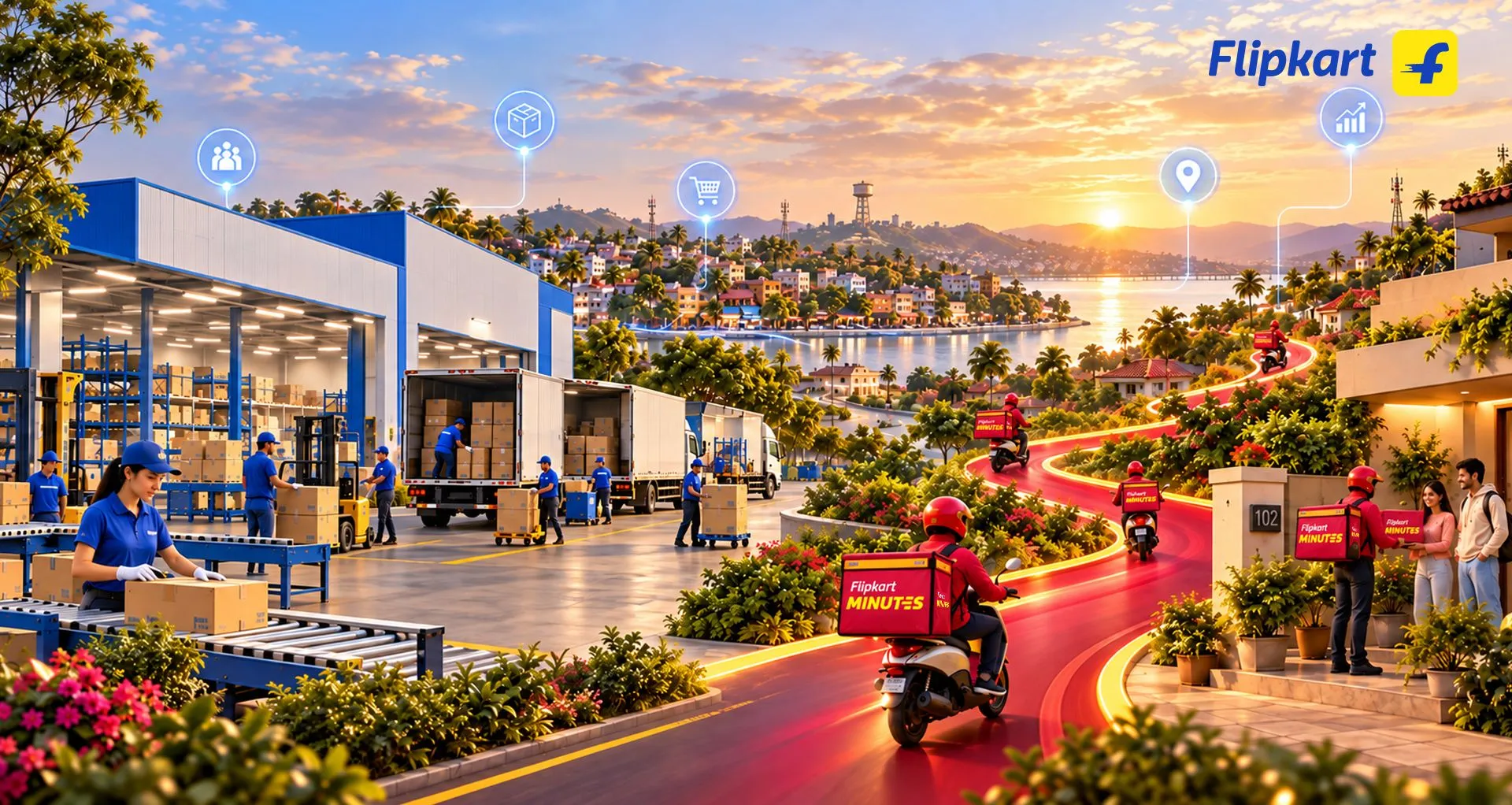
The jobs span more than 7,000 Ekart facilities, Flipkart's in-house logistics arm, including fulfilment centres, sortation hubs and last-mile delivery operations. The company said it has set up over 900 festive delivery hubs and created nearly 1.4 lakh additional last-mile opportunities, with last-mile roles accounting for 60 percent of the new positions created this season.
Perhaps the more notable figure in the announcement is workforce composition: Flipkart said participation by women now exceeds 20 percent across its supply chain, alongside increased inclusion of persons with disabilities. For an industry historically dominated by male workers, particularly in physically demanding roles such as warehouse operations and last-mile delivery, a 20 percent female participation rate represents a meaningful shift, even as it underscores how much room remains for further progress toward gender parity across Indian logistics.
India's e-commerce logistics sector has increasingly become a focal point for conversations around inclusive employment, given the sheer scale of seasonal hiring undertaken by major platforms each year. Flipkart, alongside rivals such as Amazon and quick-commerce players including Blinkit, Zepto and Swiggy Instamart, collectively generates hundreds of thousands of temporary and permanent jobs during the festive period, making the sector one of India's largest sources of short-cycle formal and semi-formal employment outside of agriculture.
Efforts to improve gender diversity in logistics roles typically involve a combination of infrastructure investment — including secure transport, adequate sanitation facilities, and flexible shift structures — alongside dedicated recruitment drives targeting women who may not have previously considered warehouse or delivery work as a viable career path. Companies across the sector have in recent years piloted women-only delivery hubs, night-shift safety protocols and partnerships with skilling organisations aimed at building a pipeline of female talent for logistics roles.
The announcement comes as Flipkart, majority owned by Walmart, continues to compete aggressively with Amazon and a growing field of quick-commerce challengers for both market share and, increasingly, reputational positioning around labour practices — an area that has drawn scrutiny from labour rights groups and policymakers as gig and platform work has expanded rapidly across Indian retail and logistics.
Beyond the immediate economic impact of festive hiring, the scale of Flipkart's seasonal workforce expansion illustrates the outsized role e-commerce and logistics companies now play in India's broader employment landscape. With online retail continuing to penetrate deeper into smaller cities and towns, the jobs created during this year's festive season — and the demographic makeup of that workforce — offer an early signal of how inclusive India's next phase of e-commerce-driven employment growth might become.