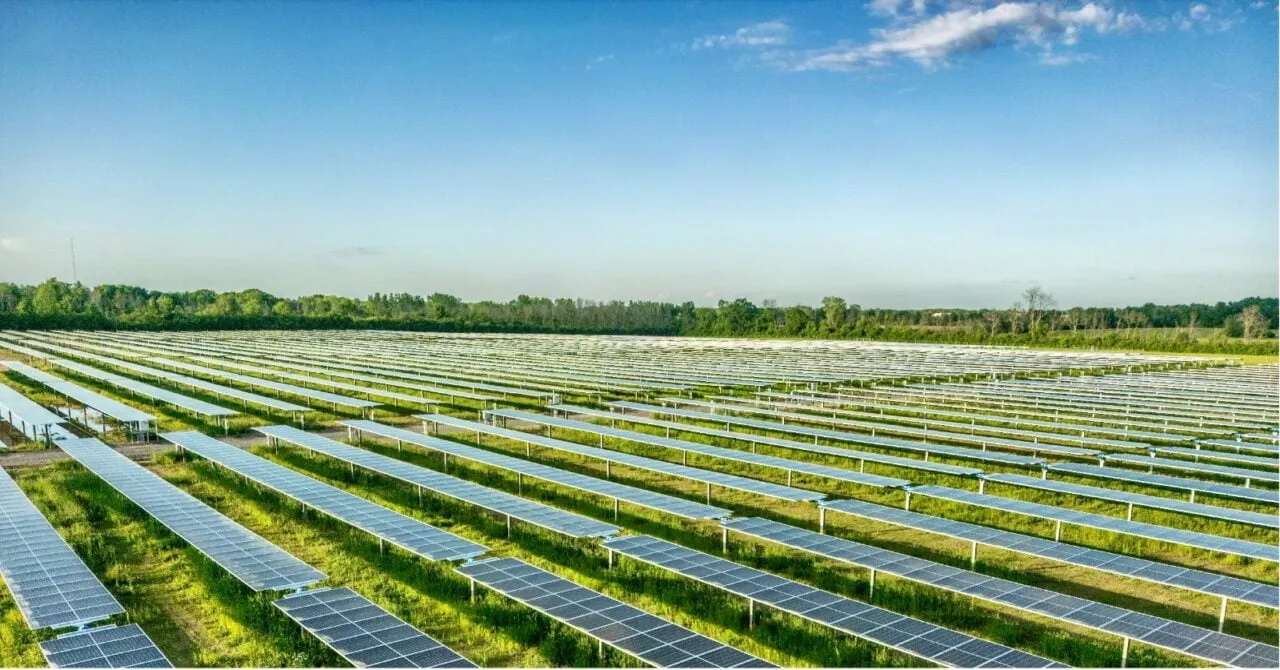
FTC Solar has started tracker shipments for the 330-megawatt solar and 180-megawatt battery-storage Fraser Coast project in Queensland, Australia, being developed by Global Power Generation, the international renewable energy subsidiary of Spanish energy major Naturgy, the company confirmed September 9. The hybrid solar-plus-storage facility is expected to begin operations in 2028 and will represent Naturgy's largest renewable energy project in Australia to date.
The Fraser Coast project forms part of a broader pipeline for Global Power Generation in Australia, where the company currently operates 1.3 gigawatts of renewable capacity, has a further 0.5 gigawatts under construction, and maintains a development pipeline exceeding 2 gigawatts across the country. The scale of this pipeline underscores the continued attractiveness of Australia's renewable energy market to major international developers, driven by strong solar resource availability, a supportive regulatory framework for large-scale renewable projects, and growing grid demand for firm, dispatchable clean power that battery storage can help provide.
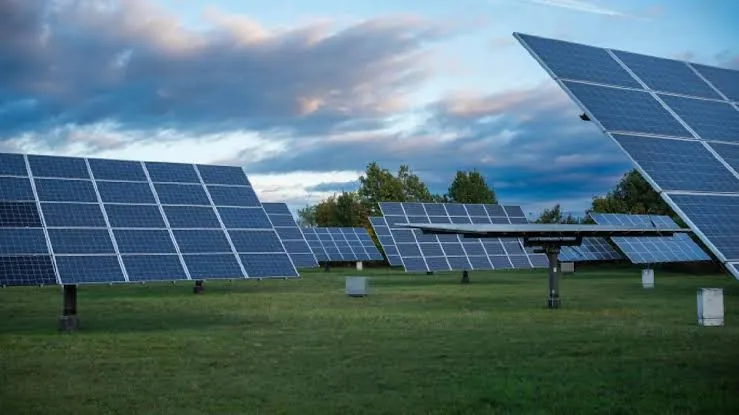
FTC Solar's role as tracker supplier places it within a competitive global market for solar tracking technology, which allows photovoltaic panels to follow the sun's movement across the sky and thereby capture significantly more energy than fixed-tilt installations, an efficiency gain that has made tracker systems increasingly standard across utility-scale solar projects in regions with strong direct solar irradiance, including much of Australia.
The pairing of solar generation with substantial battery storage capacity at Fraser Coast reflects a broader industry shift toward hybrid renewable-plus-storage projects, which address one of the central challenges facing high-renewable-penetration electricity grids: the intermittency of solar and wind generation. By co-locating 180 megawatts of battery storage alongside the solar array, the project is designed to provide more dispatchable, grid-stabilising power than a standalone solar facility could offer on its own.
Australia's electricity grid has been undergoing a rapid transition toward renewable generation over the past decade, driven by both economic factors, as solar and wind have become the lowest-cost sources of new electricity generation in many parts of the country, and policy commitments toward decarbonising the national grid. Large-scale hybrid projects like Fraser Coast represent an increasingly important category of investment as the grid seeks to maintain reliability while continuing to add renewable capacity at scale.
With tracker shipments now underway, the Fraser Coast project moves further along its path toward a targeted 2028 commercial operation date, adding to a growing list of large-scale renewable-plus-storage projects across Australia that are collectively reshaping the country's electricity generation mix ahead of the end of the decade.
The Fraser Coast project also forms part of a broader wave of Spanish and European renewable developers expanding their Asia-Pacific footprint, drawn by Australia's combination of strong solar resource, relatively straightforward project permitting processes compared with several other developed markets, and a national grid actively seeking new firm renewable capacity to replace retiring coal generation.
Battery storage co-location of the scale seen at Fraser Coast also reflects rapidly falling battery costs over recent years, which have made hybrid solar-plus-storage economics increasingly competitive against standalone generation projects, a trend that renewable developers across multiple markets, including India, are increasingly replicating as battery technology costs continue their multi-year decline.
Naturgy's continued Australian expansion also reflects a broader pattern among major European utilities diversifying their renewable generation portfolios geographically, reducing concentration risk within their home European markets while capturing growth in regions where renewable resource quality and policy support remain particularly favourable for long-duration project development.