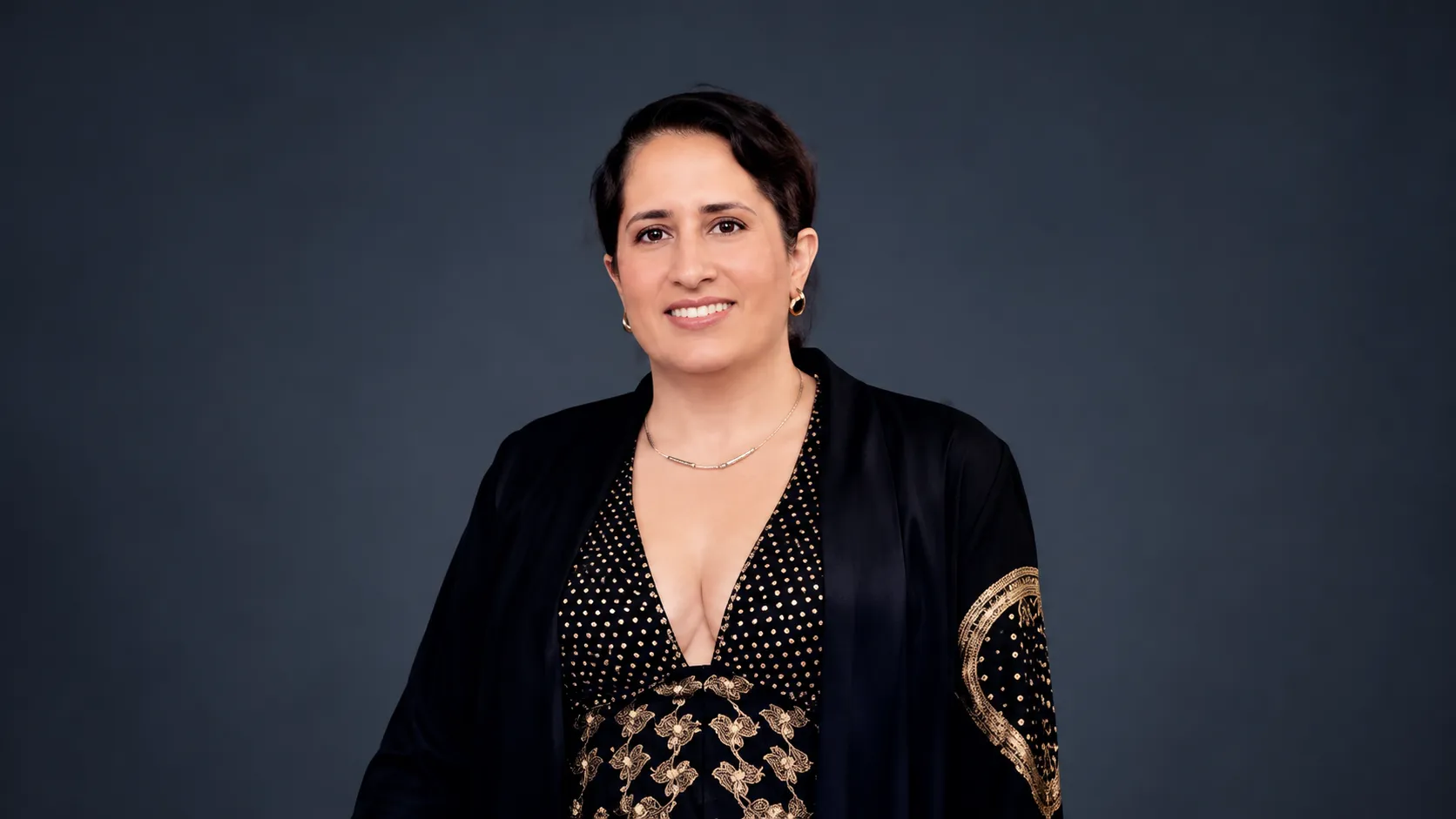
Women in Film India (WIF India), the organisation led by Oscar-winning producer Guneet Monga Kapoor, has partnered with Google to launch a filmmaking competition in which entrants will create original films using Google's AI video tool, Flow.
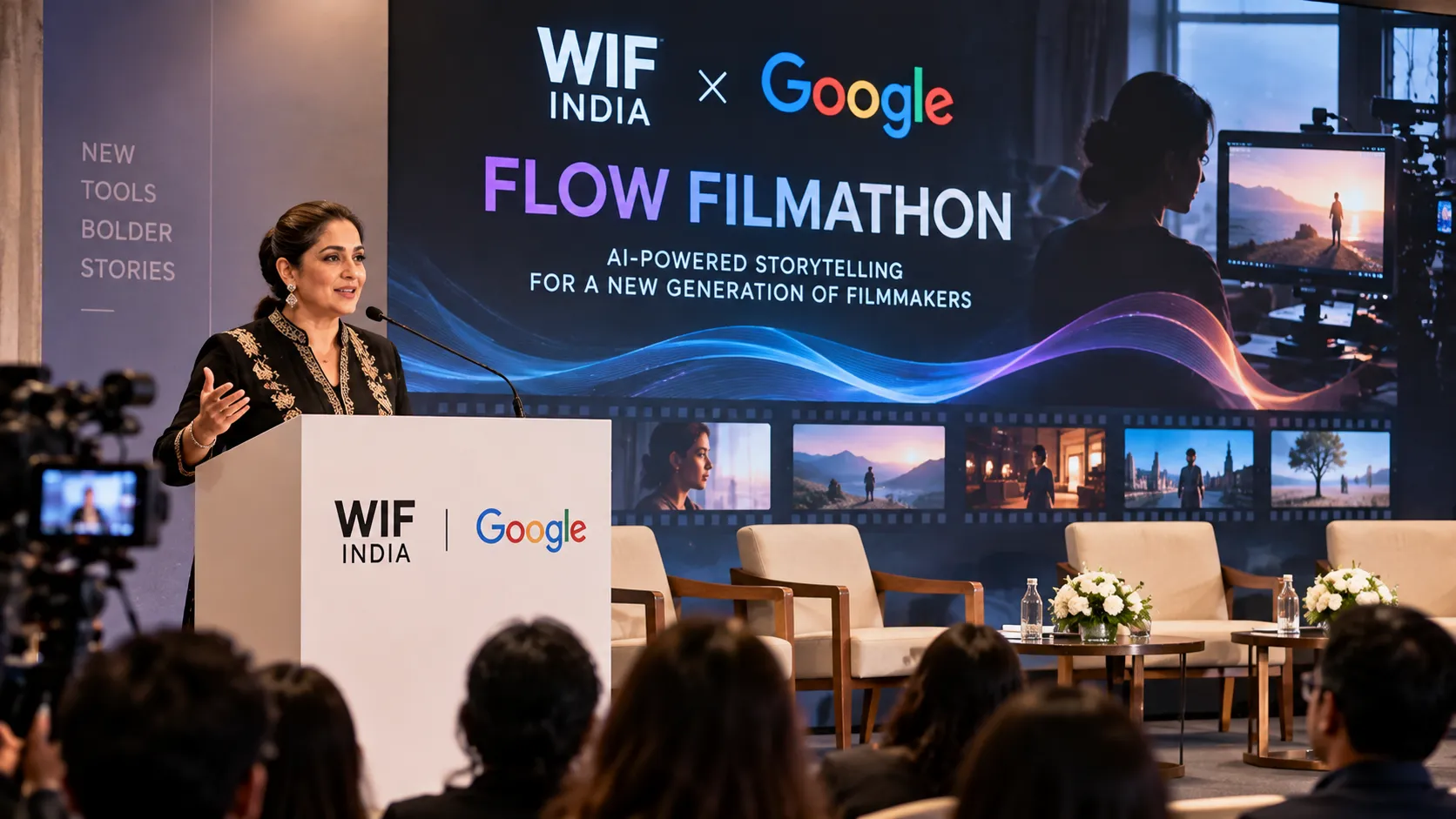
The WIF India × Google Flow Filmathon was announced in Mumbai on 6 October and reported widely on 7 October. The top five films selected will be screened at the International Film Festival of India (IFFI) in Goa, which runs from 20 to 28 November 2026.
The programme is open to filmmakers at different stages of their careers, from people just starting out in visual storytelling to established creatives, according to Indian Television and Bollywood Hungama. It marks a shift in Google's work with India's film industry, from training sessions on AI tools towards the making and public showing of finished films.
What the Filmathon offers
Flow is described by Google as a workspace built on its Gemini Omni and Veo models, with a canvas on which users can arrange scenes, batch edit clips and layer audio. Participants will use it to experiment with AI-assisted filmmaking, develop original ideas and try out visual approaches that might be expensive or impractical with conventional production. Veo is Google's video-generation model and Gemini its family of general-purpose AI models, so Flow effectively packages the company's generative tools into an editing environment that filmmakers will recognise.
The organisers presented the Filmathon as a space to learn and take risks. “WIF India is excited to create Filmathon with Google Flow because it gives filmmakers a real space to experiment,” Monga Kapoor said. “There is so much talent and so many stories waiting to be explored.”
She said WIF India wanted to encourage filmmakers to stay curious, try new things and see where their ideas can go when they have access to a new creative tool. “We are really looking forward to seeing the films that come from this,” she added.
Rabia Chopra, head of programming and strategy at WIF India, said the partnership gives filmmakers “access to a new creative studio while keeping the most important part of filmmaking where it belongs: with the storyteller and the story.”
For Google, the programme is a way to put Flow in front of working storytellers. “Google Flow is already gaining remarkable momentum in India,” said Dr Arathi Sethumadhavan, director of international activations and product insights for technology and society at Google. She said the company was eager to see the short films that storytellers across the country would make. and how they would expand the boundaries of artistic expression through the technology. Google described the programme as part of an ongoing commitment to give creators tools to tell their own stories.
Coverage of the launch did not include deadlines, detailed eligibility rules, film length limits or prizes beyond the IFFI screening, and the announcement did not state whether entries are limited to women filmmakers. Interested filmmakers will need to check WIF India's own channels for the rules once they are published.
From workshops to a festival screen
The Filmathon builds on earlier work by Google with Indian studios. On 4 August, Yash Raj Films and Google co-hosted an AI filmmaking workshop at YRF Studios in Mumbai, which offered hands-on training in Flow and showed participants how to fit AI tools into existing production workflows while keeping creative control, The Hollywood Reporter India reported. The workshop also included sessions with Google's AI engineering and product teams and optional modules for applying Flow to projects already in development.
The new programme moves the relationship a step further. A workshop teaches people how a tool works; a competition with a festival slot asks them to finish a film and put it before an audience. IFFI, first held in 1952 and hosted in Goa since 2004, is organised by the National Film Development Corporation of India under the Ministry of Information and Broadcasting and is one of Asia's oldest film festivals. Preparations for the 2026 edition were reviewed at a steering committee meeting in New Delhi on 21 August, chaired by Minister of State for Information and Broadcasting L Murugan, where masterclasses, mentorship programmes and opportunities for young and emerging filmmakers were on the agenda.
Screening AI-assisted work at a state-backed festival will also test how audiences and the industry respond to it. Generative video has raised concerns among actors, writers and crew in several countries about consent, credit and the future of their jobs. The organisers' language, centred on keeping the storyteller in charge, appears designed to address those fears.
There is a practical argument too. Independent filmmakers in India often struggle to raise money for short films, which rarely earn back their costs. If tools such as Flow cut the cost of producing a visually ambitious short, they could open the door to people who lack studio connections or family money.
Why WIF India is involved
WIF India was announced at the Cannes Film Festival in May 2024 as an independent chapter working with Women in Film Los Angeles, which was founded in 1973 and is the founding chapter of the Women in Film and Television International network. Its stated aim is to advance gender equity in Indian screen industries and to widen career opportunities for women working in them.
Monga Kapoor, whose production The Elephant Whisperers won the Academy Award for best documentary short in 2023, said at the 2024 Cannes launch that WIF India planned an advisory council of industry leaders, research, mentorship and creative labs, as well as fellowships, workshops, networking and an industry helpline to help women sustain their careers. WIF India said the Filmathon supports its work on creating access and opportunities for filmmakers.
Access is the core issue. Women have long been under-represented behind the camera in Indian cinema, particularly in roles such as direction and cinematography, which is the gap WIF India was set up to address. A partnership that puts a powerful creative tool and a prominent festival screening within reach of filmmakers who might otherwise lack both is consistent with that mission.
The five films chosen for IFFI will give the first public measure of what the Filmathon has produced. Their reception will indicate whether AI-assisted short films can win a place in India's festival circuit, and whether organisations such as WIF India can use these tools to widen access for women and new voices rather than simply showcase a technology company's product.