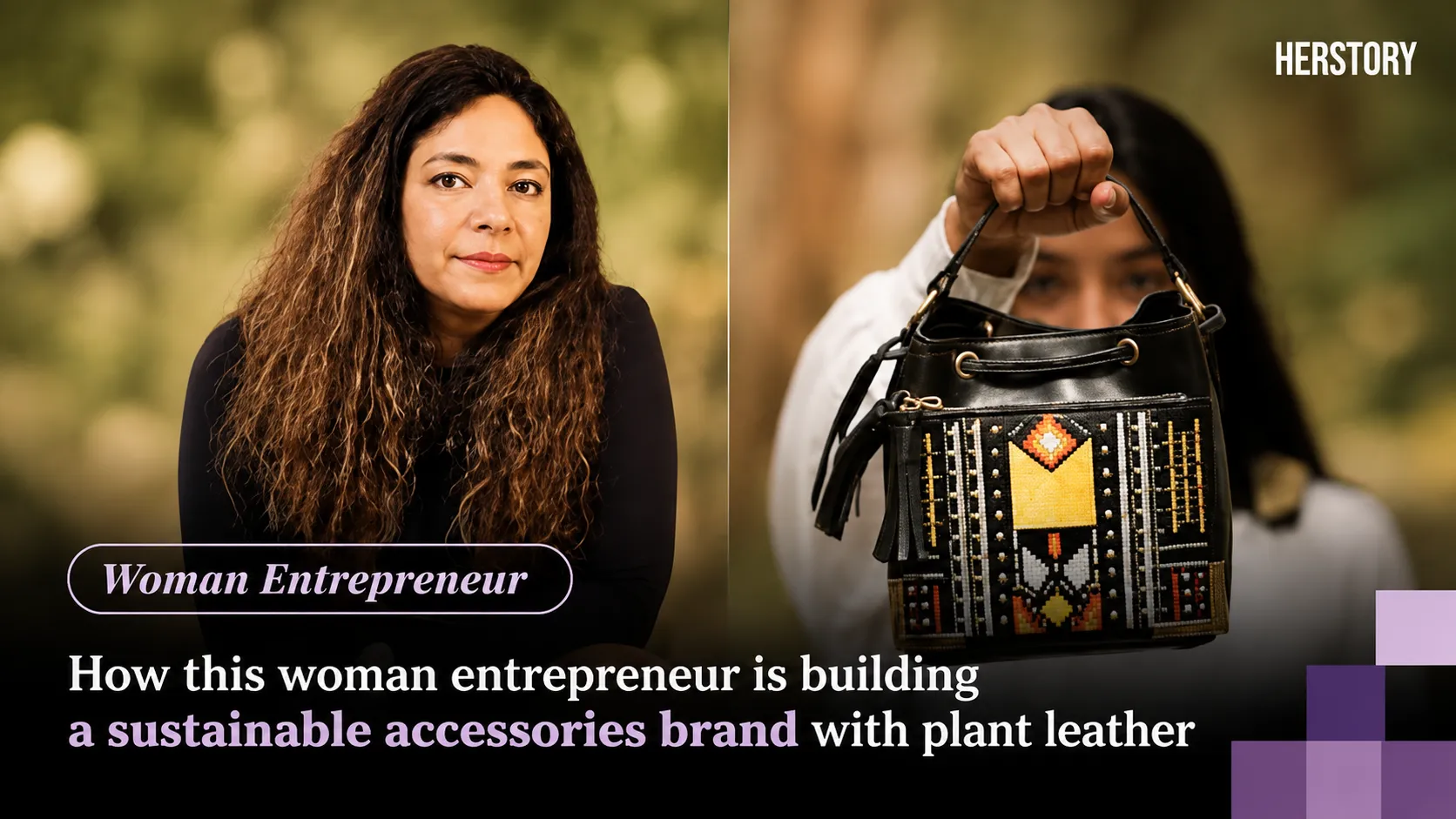
Gayatri Varun spent more than a decade trying to persuade people to change how they live. Now she is trying to persuade them through the bags they carry.
Varun is the founder and chief executive of Green Hermitage, an Indian accessories brand that makes handbags, wallets and other products from plant-based leathers. The company, whose story was featured by YourStory's HerStory on Thursday, September 24, represents a growing category of Indian businesses trying to prove that sustainability and luxury can go together.
From policy to product
Varun's route into business was unusual. According to the company, she has more than 11 years of experience in climate change and sustainable development. She holds a law degree and a master's degree in climate change and sustainable development, and she previously worked in the social impact sector, managing climate campaigns across India.
That background shaped her approach to entrepreneurship. Having worked on climate advocacy, she saw the limits of asking people to change their behaviour without offering them practical alternatives. Green Hermitage was built to provide one: products that people want to buy anyway, made in a way that reduces harm to the environment.
The company describes its vision as creating "a transition towards conscious consumerism and minimalism". It is an unusual goal for a consumer brand, since most businesses want people to buy more. Green Hermitage's pitch is that people should buy less, but better.
Varun co-founded the company with Anubhav Pratap Rai, who serves as co-founder and chief of operations. Rai has an engineering degree, expertise in finance and more than 15 years of work experience, according to the company's website.
What plant leather is
Green Hermitage's products are made from what the industry calls plant leather: materials designed to look and feel like animal leather but made from plant sources.
The brand uses leathers derived from apple, cactus, coconut and banana, according to its website. Each material has a different origin. Apple leather is typically made using waste from the fruit-processing industry, such as peels and cores left after juice production. Cactus leather is made from the leaves of the prickly pear cactus, a plant that grows with relatively little water. Coconut-based materials can use by-products of the coconut industry, and banana leather can be made from fibres of the banana plant's stem, which is often discarded after harvest.
The company says its products use plant-based materials, carry PETA approval as vegan products, and are dyed using plant-based organic dyes.
Why it matters
The environmental case for alternatives to conventional leather rests on several concerns. Animal leather is closely linked to livestock farming, which is associated with significant greenhouse gas emissions and land use. Traditional leather tanning also often relies on chemicals, including chromium compounds, which can pollute water and harm workers if not properly managed. India's own leather clusters, including those in Kanpur and parts of Tamil Nadu, have faced long-running scrutiny over pollution from tanneries.
At the same time, many so-called vegan leathers on the market are made from plastics such as polyurethane or PVC, derived from fossil fuels. Plant-based leathers are an attempt to find a middle path: materials that avoid animal inputs while reducing reliance on plastics. Many plant leathers still contain some synthetic binders or coatings for durability, and their environmental performance varies by material and manufacturer. Transparency about what goes into each product is therefore becoming an important part of how such brands build trust.