ImpactSustainability5 MIN READ

GreenCell Mobility Raises ₹330 Crore From Impact Fund Denmark to Put Thousands More Electric Buses on Indian Roads

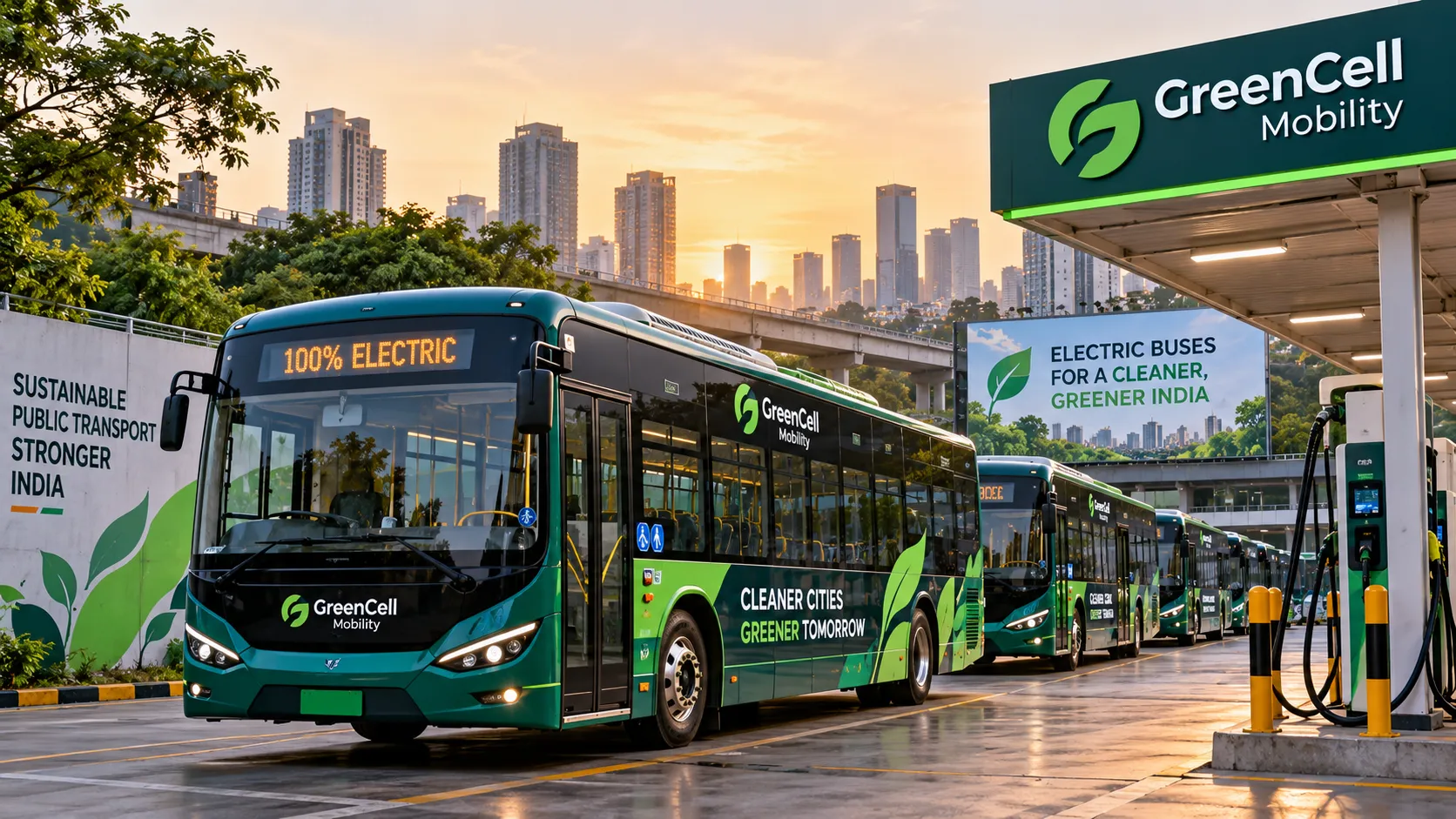
Mumbai-based GreenCell Mobility has secured ₹330 crore in equity from Impact Fund Denmark to support the deployment of around 4,500 electric buses, as the Eversource Capital-backed operator works towards a fleet of more than 5,000 vehicles across 105 Indian cities.

By Prathista Lazar · Author14 October 2026New
GreenCell Mobility Raises ₹330 Crore From Impact Fund Denmark to Put Thousands More Electric Buses on Indian Roads

GreenCell Mobility, one of India's largest electric bus operators, has raised ₹330 crore in fresh equity from Impact Fund Denmark. It is a significant vote of confidence from a European impact investor in the economics of electrifying India's public transport.

The company announced the investment on October 13. It said the capital will support the deployment of around 4,500 electric buses, strengthen its financial position, and help it scale both intra-city and intercity operations. GreenCell is working towards a fleet of more than 5,000 electric buses across 105 cities in India.

The deal comes as India's state transport undertakings and city authorities move to replace ageing diesel fleets under national programmes. Operators that can raise long-term, patient capital are in a strong position to win and execute those contracts.

An equity cheque in a debt-heavy sector

Electric bus operations are capital-intensive. Each vehicle costs several times as much as a diesel equivalent, and operators must also build and maintain charging depots. Most of that cost is typically funded with debt, secured against long-term contracts with public transport agencies. Equity is scarcer and more valuable, because it absorbs risk, supports the balance sheet and makes it easier to raise further borrowing.

GreenCell has relied on a mix of instruments to fund its growth. In January 2026, it completed an $89 million mezzanine round led by the International Finance Corporation, British International Investment and Tata Capital, which it said would help expand its fleet to about 3,700 buses, including vehicles won under the National E-Bus Programme and the PM e-Bus Sewa scheme. Earlier, it secured more than ₹300 crore in green project financing from Sumitomo Mitsui Banking Corporation for an electric bus project in Uttar Pradesh.

The new equity from Impact Fund Denmark adds a further layer of risk capital as the company's order book grows. It should help GreenCell maintain healthy leverage ratios while it takes on more vehicles and depots.
fc9ad44a-dae3-48c1-84d0-0f4eabb6f622.png

Who is behind GreenCell

Founded in 2019 and headquartered in Mumbai, GreenCell is a portfolio company of Eversource Capital, the climate-focused investment platform that manages the Green Growth Equity Fund. The company is OEM-agnostic: it does not manufacture buses but procures them from manufacturers and operates them under long-term contracts.

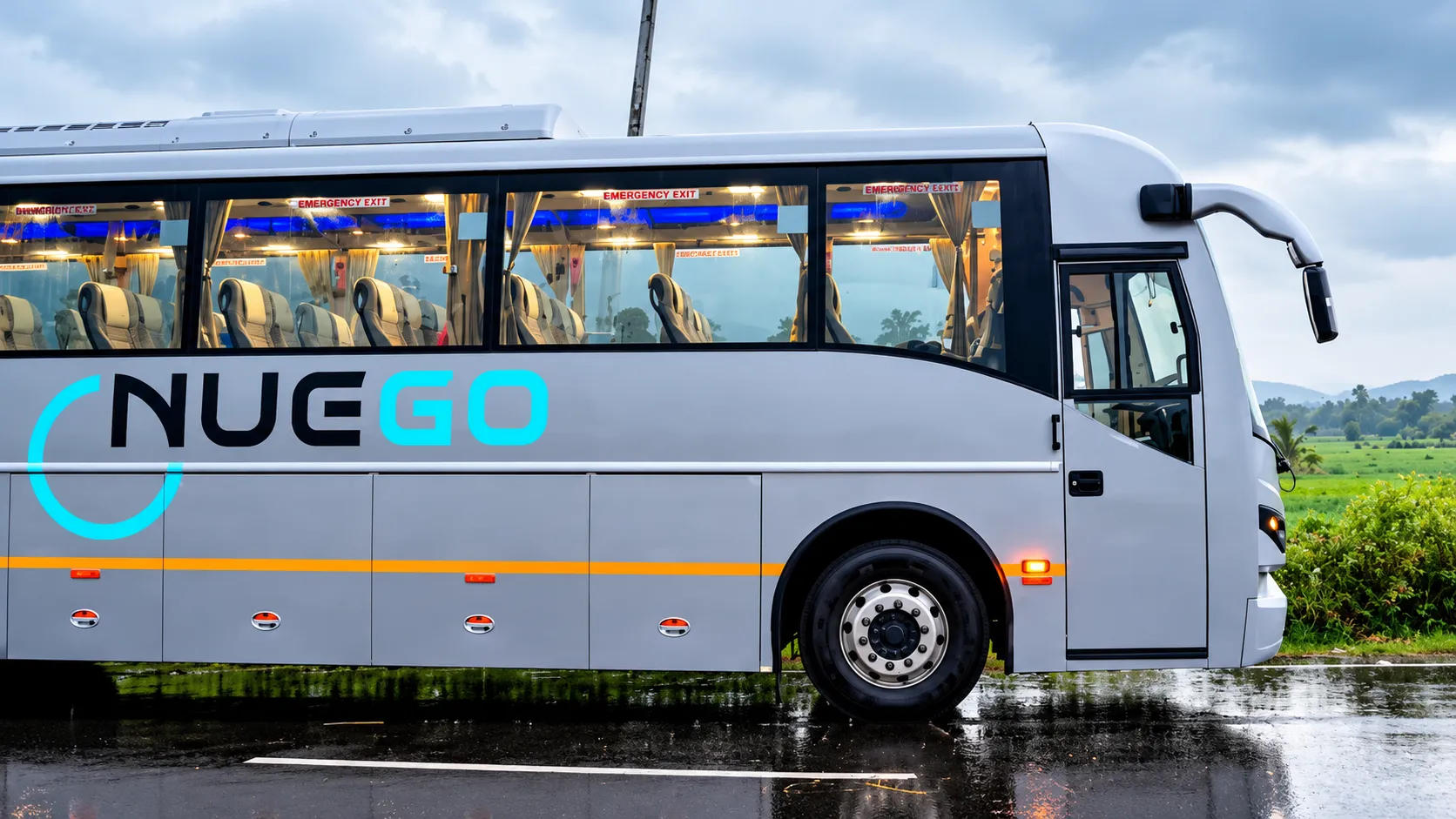
Its business has two main strands. For government clients, GreenCell runs electric buses for state and municipal transport bodies under gross cost contract models, in which the operator is paid per kilometre and the public authority retains fare revenue. This structure gives the operator predictable income and insulates it from swings in ridership. For consumers, the company runs NueGo, an intercity electric coach brand that competes with conventional private bus operators on popular routes.

In recent years, the company has won several large public contracts, including deployments in Madhya Pradesh under the PM e-Bus Sewa scheme and, in consortium with EKA Mobility, an award to deploy electric buses in Hyderabad.

Eversource Capital itself is a joint venture between Everstone Group and Lightsource bp, and manages the Green Growth Equity Fund, which counts India's National Investment and Infrastructure Fund and the UK government among its anchor investors. That ownership structure has given GreenCell access to a deep pool of climate-focused institutional capital, and the arrival of Impact Fund Denmark widens its investor base further into European development finance.


“Electric public mobility is moving from an emerging opportunity to an investable infrastructure asset class in India.”
— Dhanpal Jhaveri, CEO, Eversource Capital

The investors' view

Dhanpal Jhaveri, chief executive of Eversource Capital, said the deal reflected a broader shift in how investors see the sector. "Electric public mobility is moving from an emerging opportunity to an investable infrastructure asset class in India," he said.

GreenCell's managing director and chief executive, Devndra Chawla, said the company's priority is delivery. "Our focus is on executing our order book with rigour, strengthening service delivery," he said, signalling that operational performance, not just fleet expansion, is now the yardstick.

Lars Bo Bertram, chief executive of Impact Fund Denmark, described India as "a central market for Impact Fund Denmark."

Impact Fund Denmark is managed by IFU, the Danish state-owned development finance institution, and invests in businesses in developing and emerging markets that combine commercial returns with measurable climate and social benefits. Electric public transport fits that mandate neatly. It cuts tailpipe emissions and urban air pollution, and it improves the quality of a service that millions of lower- and middle-income commuters depend on every day.

Why buses matter for India's climate goals

Buses are among the most effective levers India has for cutting transport emissions. A single city bus can replace dozens of private vehicles on a busy corridor, and electrifying it removes diesel exhaust from the most congested streets. In cities with severe air quality problems, the health benefits of cleaner buses can be as important as the carbon savings.

The policy framework has evolved to support this. Central schemes aggregate demand across cities and use standardised contracts, which reduces the price per vehicle and makes the projects more bankable. Payment security mechanisms aim to reassure operators and lenders that state agencies will pay on time. Historically, delayed payments by public transport undertakings were one of the biggest deterrents to private investment in the sector.

Challenges remain. Operators must manage charging infrastructure at scale, maintain uptime across large fleets and work with grid operators to secure reliable, affordable power for depots. Battery performance in India's extreme heat and the eventual cost of battery replacement are also important variables in the long-run economics of each contract.

What the funding signals

For India's electric mobility ecosystem, the round is a signal that international impact investors are prepared to provide equity, not just loans, to operators with a proven record. That matters because the scale of the opportunity is large. India's bus fleet is huge, and only a small fraction of it is electric today.

For GreenCell, the immediate task is execution: putting thousands of buses on the road on schedule, keeping them running reliably, and maintaining the confidence of the public agencies that pay for the service. If it succeeds, the company will be well placed to tap capital markets in future, whether through further private rounds or, eventually, a public listing.

The deal also illustrates how climate finance is increasingly flowing to the infrastructure of daily life. The headline-grabbing technologies tend to attract the most attention, but India's decarbonisation will depend just as much on the quieter work of electrifying the buses that carry workers, students and families across its cities every morning.

TagsGreenCell MobilityImpact Fund DenmarkEversource Capitalelectric busese-mobilityNueGoPM e-Bus Sewapublic transportclimate financesustainabilityclean mobilityEVDevndra ChawlaDhanpal Jhaverigreen financeIndiadecarbonisationinfrastructureimpact investingfunding

Reader reviews

Sign in to rate and review this article.
Loading reviews…