ImpactSustainability4 MIN READ

Australia's Gridsight Raises $26 Million to Unlock Hidden Capacity Inside Electricity Grids

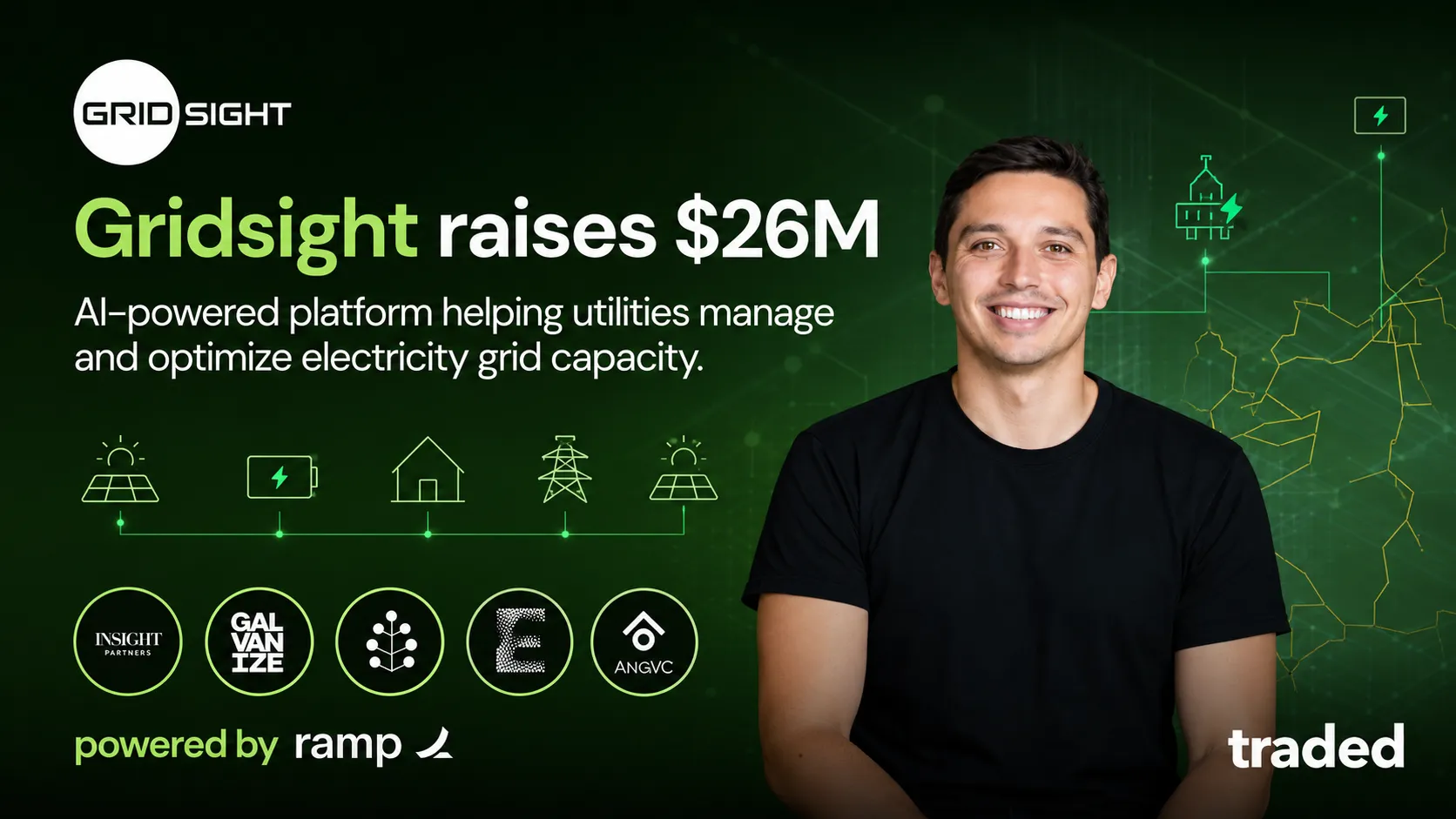
Sydney-founded Gridsight has raised US$26 million in Series B funding led by Insight Partners to help utilities dynamically expose unused electricity network capacity rather than treating grid limits as fixed.

By Nisha Omkumar · Author3 September 2026New
Australia's Gridsight Raises $26 Million to Unlock Hidden Capacity Inside Electricity Grids

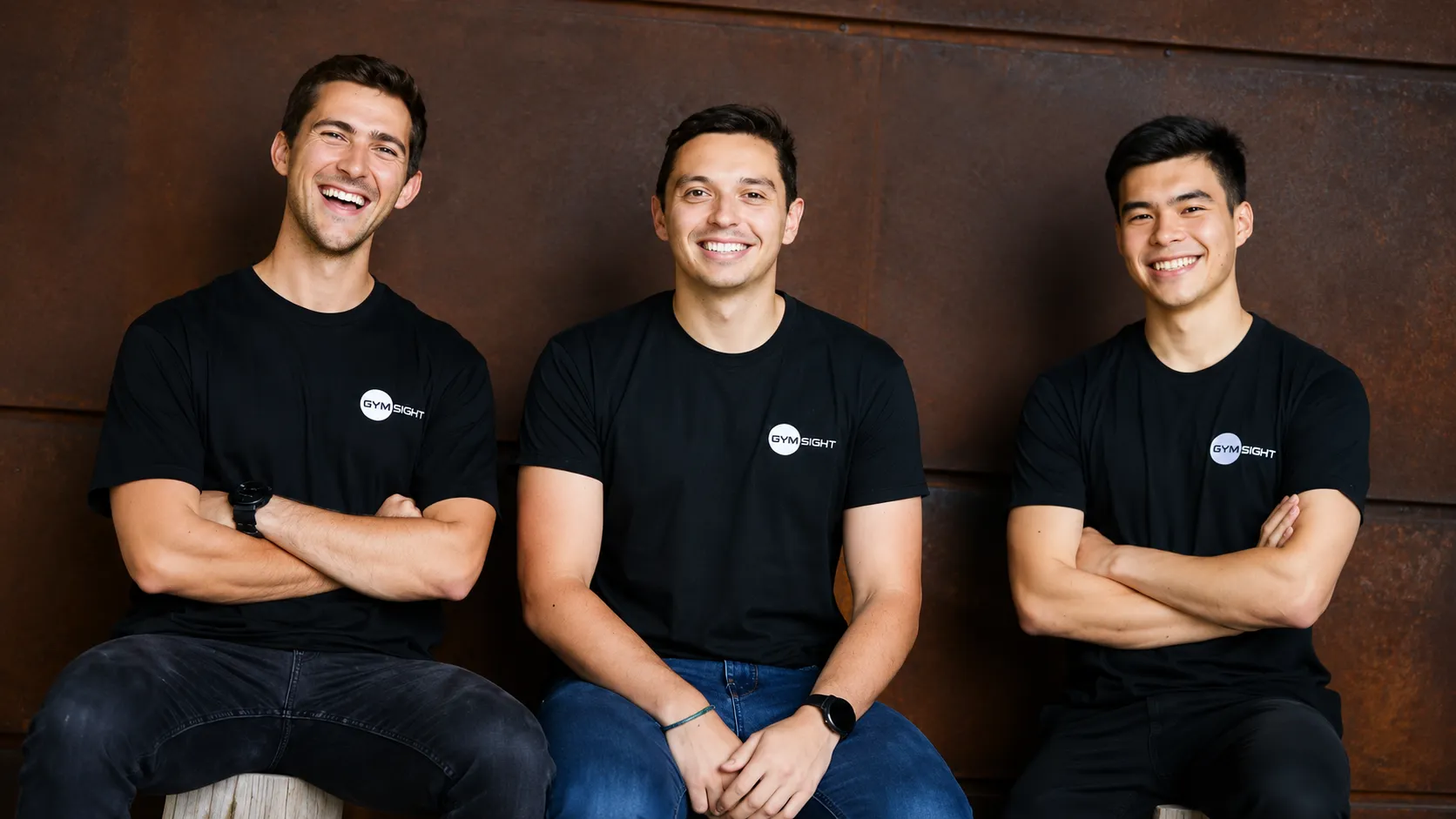
Gridsight, a Sydney-founded start-up building AI-based capacity-management software for electric utilities, has raised US$26 million (A$36 million) in a Series B round led by global growth investor Insight Partners, with participation from Galvanize and existing backers Airtree, Energy Transition Ventures and Aera VC.

The company's core proposition addresses one of the least visible but most consequential bottlenecks in the global energy transition: electricity grids that were designed decades ago for predictable, centralised generation are increasingly strained by distributed rooftop solar, home batteries, and enormous new loads from electrification and AI data centres.

Gridsight's platform combines network infrastructure data with smart-meter readings to show grid operators where genuine spare capacity exists at specific locations and times of day, rather than relying on the static, worst-case assumptions that utilities have traditionally used to plan network capacity — assumptions that often significantly understate what a grid can safely carry at any given moment.

The company says that, on average, as much as three-quarters of grid capacity can sit unused because congestion varies sharply by location and time, meaning that headline network limits frequently mask substantial pockets of available capacity that could otherwise support new solar connections, EV chargers or industrial loads without requiring costly physical upgrades.
Gridsight says as much as three-quarters of grid capacity can sit unused on average, because congestion varies sharply by location and time of day.
Company data
ChatGPT Image Sep 3, 2026, 02_06_08 PM.png

That gap has real-world consequences already being demonstrated: Australian utility Endeavour Energy has used Gridsight's technology to double household solar export capacity from 5kW to 10kW on existing infrastructure, part of a broader programme the company says is expected to enable roughly 600 megawatts of additional solar capacity without new poles-and-wires investment.

The funding arrives as electricity grids worldwide face an unusual combination of pressures simultaneously: the need to accommodate rapidly growing distributed renewable generation on one side, and surging demand from data centres and electrified transport on the other — a squeeze that is turning software-based capacity optimisation from a niche utility tool into a mainstream investment thesis.

For utilities under pressure to connect new renewable generation and electrified loads faster without multi-year, multi-billion-dollar network rebuilds, tools like Gridsight's offer an alternative path: software that makes existing infrastructure work harder rather than simply building more of it. As grid constraints increasingly threaten to become the binding limit on how fast countries can decarbonise their electricity systems, capacity-optimisation start-ups such as Gridsight are positioning themselves as unglamorous but increasingly indispensable infrastructure for the energy transition.

TagsSustainabilityEnergyGrid InfrastructureAIGridsightSeries B

Reader reviews

Sign in to rate and review this article.
Loading reviews…