Across Africa, women are building businesses that tackle problems ranging from food security to plastic pollution. One accelerator programme has just chosen a dozen of them to receive support, and demand for places has more than doubled.
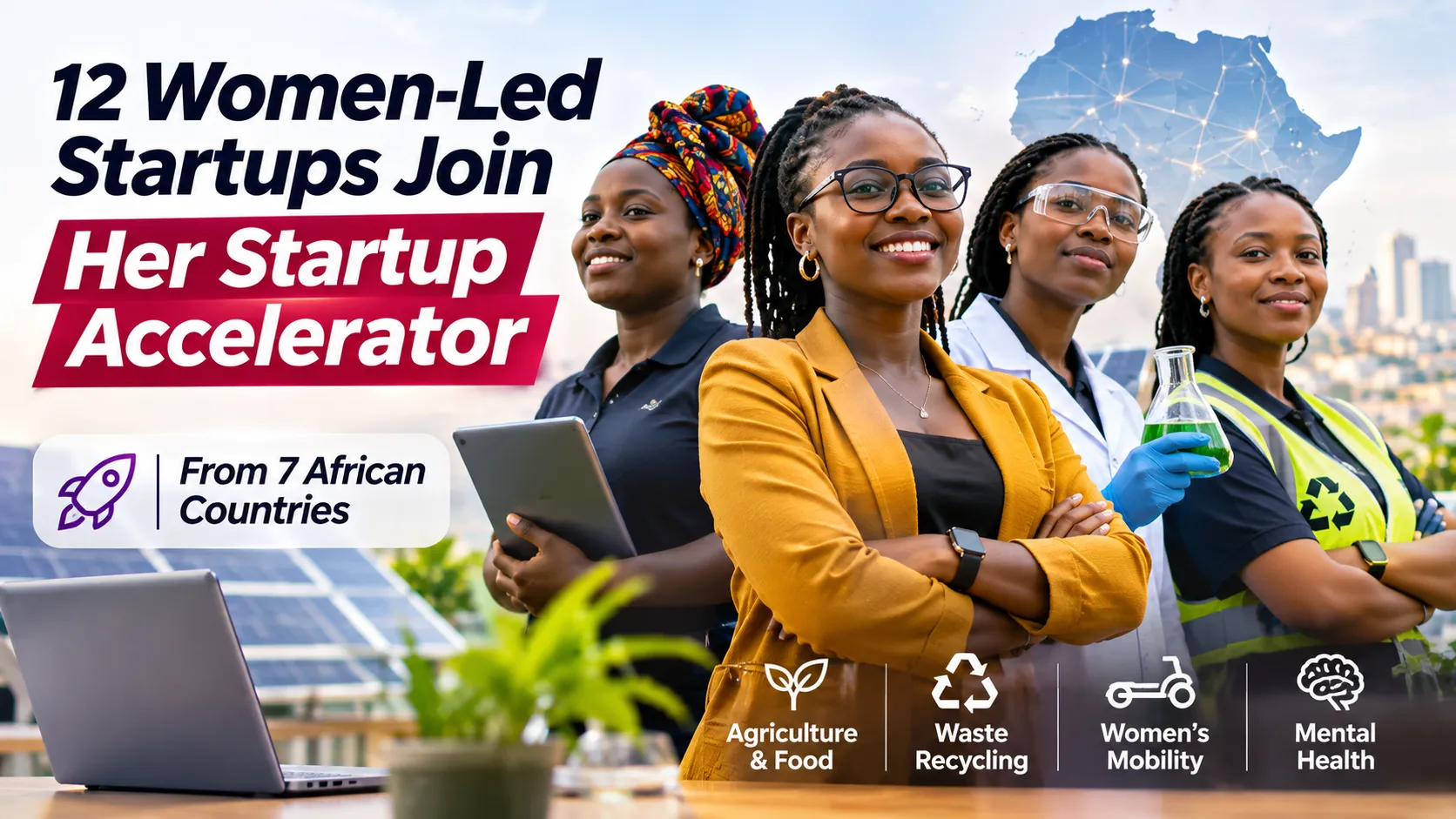
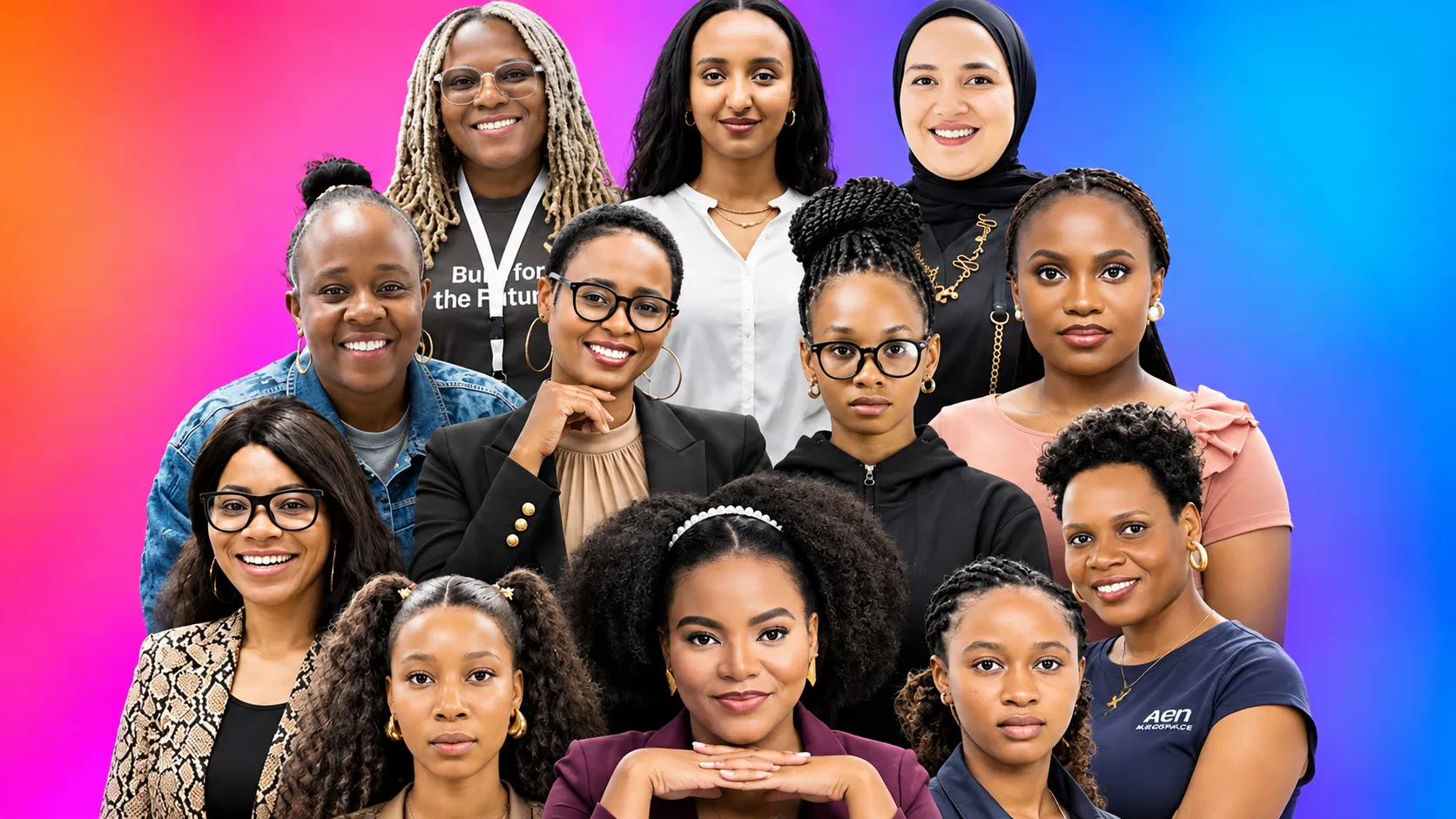
Her Startup, a women-focused accelerator, has selected 12 technology startups from seven African countries for its second cohort, Disrupt Africa reported on Monday, November 23. The programme received 468 applications from 33 countries, more than double the number for its first edition. Twenty founders were shortlisted before the final selection, and the cohort size was increased from 10 to 12.
Who is behind it
Her Startup is backed by KSH Foundation, Tomorrow Foundation and EHA Impact Ventures. This year, it is running the programme in partnership with Founder Institute Morocco, whose chapter leads, Youssef Koun and Hicham Sentissi, described it as an "intensive and transformative journey," according to Disrupt Africa.
The Founder Institute is a global pre-seed startup accelerator that has supported thousands of companies in more than 200 cities.
What the founders receive
Selected startups receive Founder Institute training, startup capital through convertible revenue-based financing, and six months of mentorship, according to Disrupt Africa.
Revenue-based financing allows companies to repay investors through a share of future revenue rather than giving up equity immediately. This can be attractive to early-stage founders who want to retain ownership, and it may suit businesses with steady revenue that do not fit the high-growth profile sought by traditional venture capital.
The cohort
Nigeria dominates the cohort with six startups. Kadosh Mechatronics builds solar-powered greenhouse sensors, FriendnPal runs an AI-powered mental health platform, Glorious Farmgate focuses on poultry automation, Fuse Varsity is an education technology company, Odnaworld works in agrifood and TESA Global Solutions operates in media technology.
From Tanzania, SAB Biomanufactures makes products from brown seaweed for agriculture and food preservation. Malawi's Uptech Africa runs an agricultural technology marketplace, while Uganda's AEN Holdings repurposes used batteries.
Ethiopia's EON focuses on plastics recycling, Egypt's Dosy runs a micromobility platform for women and South Africa's UNTUM Recycling works in waste recycling.
Solving local problems
The cohort reflects how many women founders are building businesses that address pressing challenges in their communities. Several startups work in agriculture and food, sectors in which women make up a large share of the workforce in Africa but often lack access to technology and finance.
Others tackle environmental issues, such as plastic pollution and battery waste, which are growing problems in African cities. Dosy's micromobility platform for women addresses safety concerns that limit women's mobility and access to work and education. FriendnPal's mental health platform responds to a significant gap in mental health services across the continent.
The funding gap for women founders
Women founders in Africa face a significant funding gap. Startups founded solely by women receive a very small share of venture capital invested in Africa each year, according to industry trackers, while mixed-gender teams receive somewhat more. The gap is similar to patterns seen in other regions, including India and the United States.
Barriers include limited access to investor networks, bias in investment decisions, a small number of women investors and the concentration of women-led businesses in sectors that attract less venture capital.
Accelerators focused on women founders aim to address some of these barriers by providing capital, training, networks and visibility.