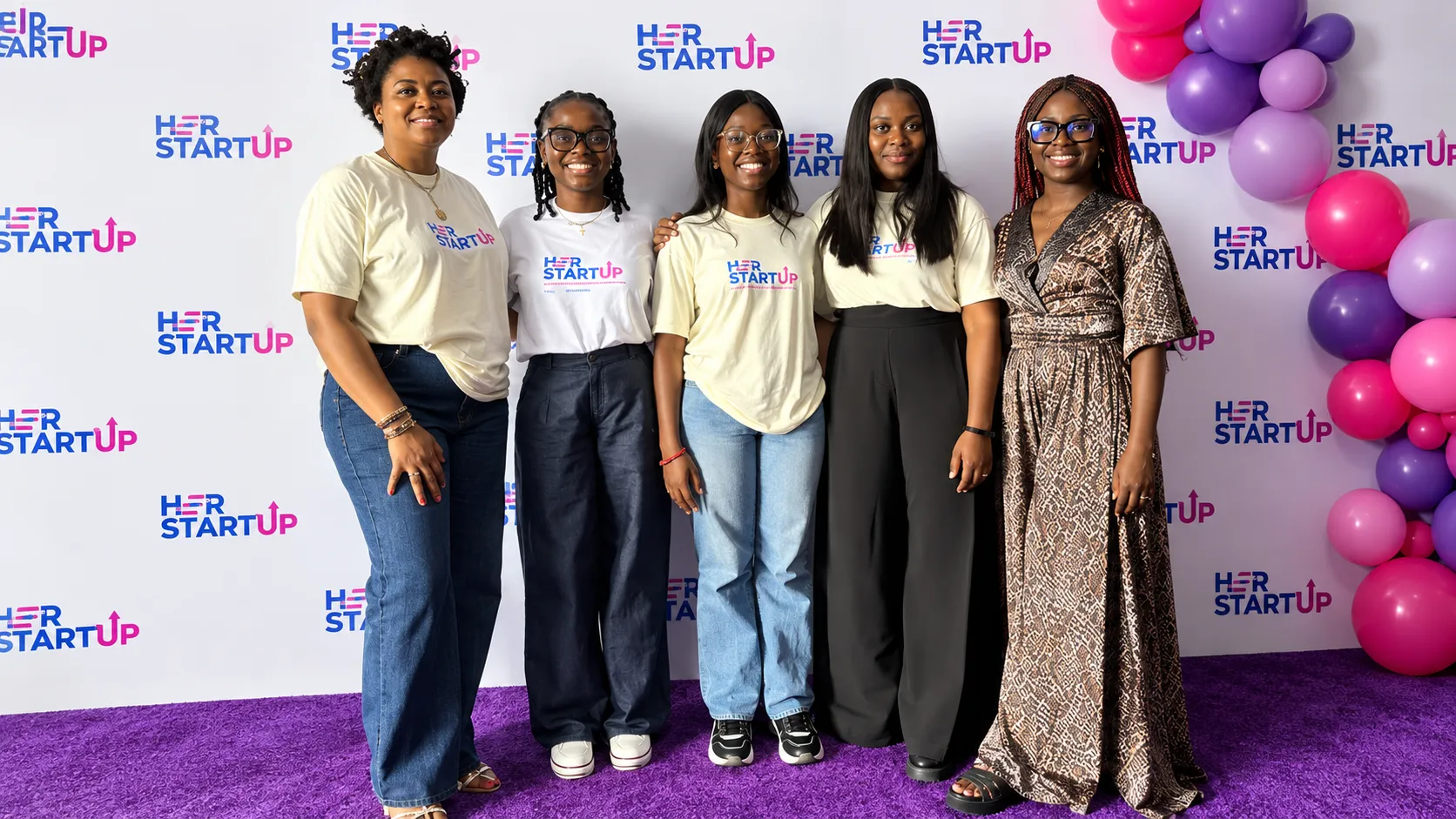
For women building technology companies in Africa, the first few thousand dollars are often the hardest money to find. Her Startup, an accelerator focused on early-stage, women-led businesses across the continent, has opened applications for its second cohort, offering training, mentorship, stipends and the chance to pitch for seed investment of up to $5,000.
The programme, reported on October 13, will be delivered through the Founder Institute, the global pre-seed accelerator network. Applications for Her Startup Cohort 2.0 close on October 26, 2026.
The sums involved are modest by venture capital standards. But the programme targets a stage of company building where women founders face some of their steepest disadvantages, and where a small amount of capital, combined with structured support, can make the difference between a business that grows and one that stalls.
Who can apply
Her Startup has set clear eligibility criteria. Applicants must be female founders, co-founders or chief executives aged between 18 and 35, running a technology-enabled business. They must have built a minimum viable product or already introduced a product to the market, and their businesses must show consistent monthly revenue of at least $500 over six months.
The programme is open to businesses across Africa, with at least 15% of participants expected to come from Francophone African countries. Fintech companies will make up no more than 20% of selected startups.
Selected founders will take part in an intensive accelerator delivered through the Founder Institute, with access to stipends, mentorship and practical business training. Participation does not guarantee investment: founders must complete the required training and then pitch their businesses to be considered for seed funding of up to $5,000.
Why the design choices matter
Several features of the programme reflect deliberate choices about who gets support.
The revenue requirement sets a meaningful bar. By asking for six months of consistent revenue, Her Startup is selecting businesses that have moved beyond the idea stage and found at least some paying customers. That focuses scarce resources on founders with traction, and gives the eventual seed cheques a better chance of accelerating real growth rather than funding experiments.
The cap on fintech is notable. Fintech has dominated African venture funding for years, attracting the lion's share of capital as investors backed payments, lending and digital banking platforms. By limiting fintech to a fifth of the cohort, Her Startup is creating room for women building in other sectors, such as health, education, agriculture, logistics and commerce, which often struggle to attract investor attention even when they address pressing needs.
The Francophone quota addresses a long-standing geographic imbalance. Most African startup funding flows to a handful of English-speaking hubs, notably Nigeria, Kenya and South Africa, alongside Egypt. Founders in French-speaking West and Central Africa frequently report being overlooked by investors and support programmes, many of which operate primarily in English. Reserving places for them signals an intent to widen the map of African entrepreneurship.
The Founder Institute brings an established playbook. Founded in Silicon Valley in 2009, it runs structured pre-seed programmes in cities around the world, including a growing number in Africa, combining weekly assignments, mentor feedback and peer accountability. Pairing that curriculum with a women-focused selection process and seed capital gives Her Startup participants access to a global methodology while keeping the programme rooted in local markets.

The scale of the gap
The programme arrives against a stark backdrop. According to industry data, less than 1% of the total venture capital raised in Africa in 2025 went to female founders. Mixed-gender teams fare better, but companies led entirely by women remain a tiny fraction of funded businesses across the continent.
The picture is not unique to Africa. Globally, all-women founding teams received only about 2% of venture capital in 2025, even as total funding for companies with at least one female founder reached record levels, largely through mixed-gender teams and a few very large rounds. In India, a 2026 diversity report from Arise Ventures found that women-led startups receive just ₹4 for every ₹100 invested in founders.
The reasons are well documented. Women founders often have smaller professional networks among investors, face bias in pitch meetings and are more likely to be asked about risks than about opportunities. Because venture capital relies heavily on warm introductions and pattern recognition, those disadvantages compound at every stage. They are particularly acute at the very beginning, when founders have little data to point to and depend heavily on investors' willingness to take a chance on them.
What small cheques can do
Seen in isolation, $5,000 will not build a company. In many African markets, however, it can fund meaningful progress: inventory, a key hire, marketing to win the next set of customers, or the technical work needed to improve a product. Combined with training, mentorship and the discipline of preparing and delivering a pitch, a small cheque can help founders reach the milestones that unlock larger rounds from angel investors and venture funds.
Accelerators also provide something money alone cannot: networks. For women who lack connections to investors, the introductions, peer communities and credibility that come with completing a recognised programme can be as valuable as the capital itself.
Her Startup joins a broader ecosystem of initiatives supporting African women entrepreneurs, including programmes run by She Leads Africa and the Tony Elumelu Foundation. Together, these efforts are building a pipeline of women-led companies that, over time, could change the investment patterns that have excluded them.
Lessons beyond Africa
The model holds lessons for other emerging markets, including India. The challenges facing women founders, from limited networks to bias in fundraising, are remarkably similar across regions. Programmes that combine clear eligibility criteria, targeted inclusion of under-served groups and sectors, practical training and small but meaningful capital offer a template that can be adapted wherever women entrepreneurs are under-funded.
For founders across Africa who meet the criteria, the immediate message is simple: the deadline is October 26. For investors and policymakers, the broader message is that closing the gender funding gap starts at the earliest stage, with the founders who are already building products and earning revenue, but have yet to receive the backing their progress deserves.