India has committed more than $150 million through the India-UN Development Partnership Fund and the India-Brazil-South Africa Fund to support climate resilience initiatives across developing nations, reinforcing the country's growing role as a South-South cooperation partner on climate finance at a time when many developing economies continue to face significant gaps in accessing adequate climate adaptation funding.
The commitment channels resources through two distinct but complementary multilateral mechanisms: the India-UN Development Partnership Fund, which supports development projects across the Global South in partnership with the United Nations, and the IBSA Fund, a trilateral cooperation mechanism between India, Brazil and South Africa that has historically focused on sharing development expertise and resources among emerging economies facing broadly similar development challenges.
The commitment also arrives amid growing international attention to the persistent gap between pledged and actually delivered climate finance from wealthier nations to developing economies, a gap that has repeatedly featured as a point of contention within successive rounds of international climate negotiations, prompting some developing nations to increasingly pursue South-South cooperation mechanisms as a complement to, rather than a replacement for, traditional developed-nation climate finance channels.
Development finance professionals note that South-South climate cooperation mechanisms, while growing in prominence, still represent a comparatively small share of overall global climate adaptation financing relative to traditional bilateral and multilateral channels dominated by developed nations, meaning contributions like India's, while diplomatically and practically significant, should be understood as a complementary rather than substitute pathway within the much larger global climate finance architecture still being negotiated internationally.
South-South cooperation mechanisms of this kind have gained growing importance within the broader global climate finance architecture, as many developing nations have expressed persistent frustration with the pace and scale of climate finance commitments from wealthier, historically higher-emitting nations under existing international climate finance frameworks, creating space for alternative, developing-country-led cooperation mechanisms to play a more prominent role.
India's positioning as both a recipient of international development assistance in earlier decades and now an increasingly significant contributor to multilateral development and climate finance mechanisms reflects the country's evolving economic status and its growing diplomatic emphasis on leadership roles within global South coalitions, particularly on climate and sustainable development issues where India has sought a more prominent international voice.
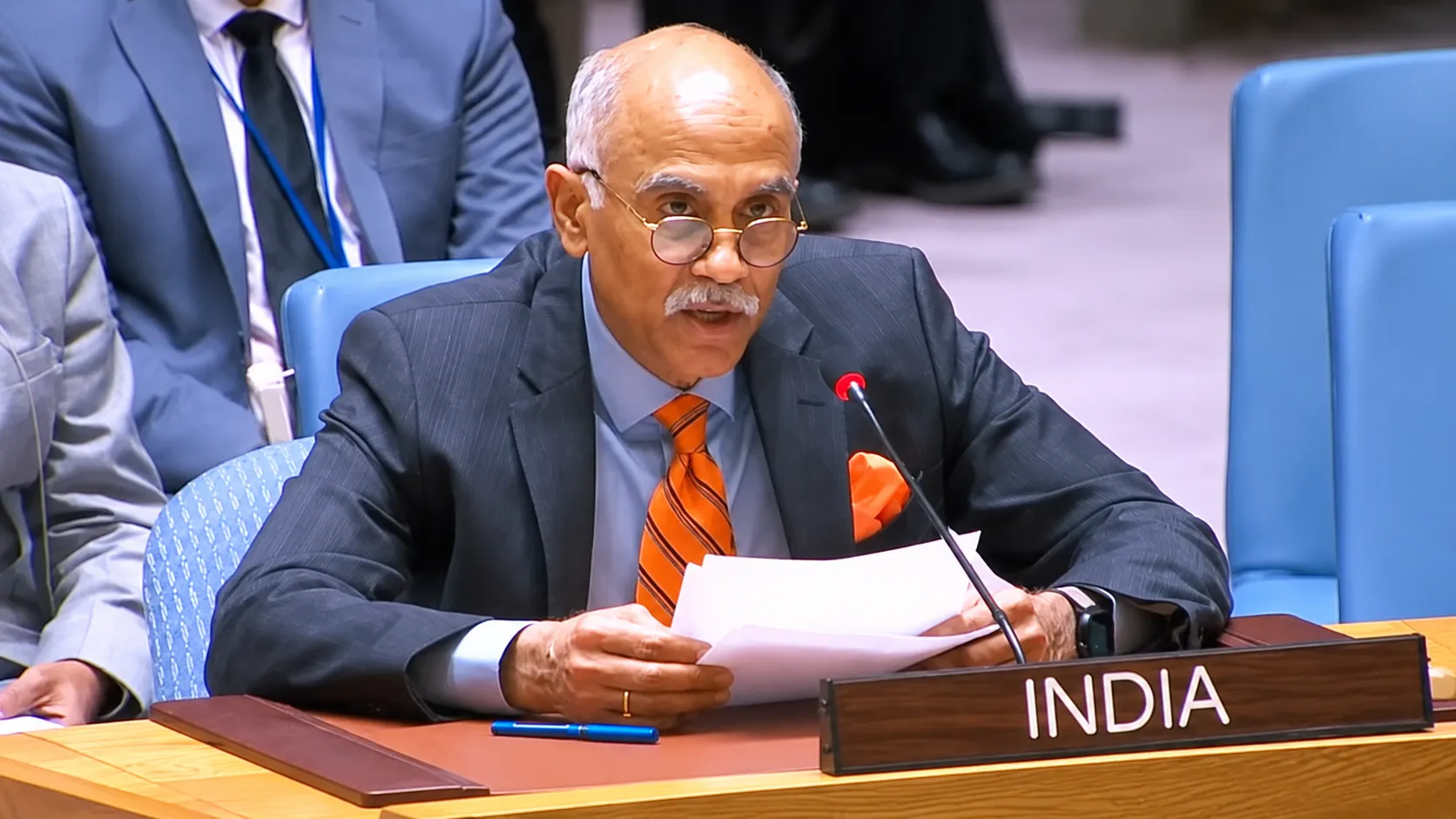
The India-Brazil-South Africa trilateral cooperation framework has historically focused on knowledge and technical expertise sharing among three large emerging economies facing broadly comparable development challenges, and channelling climate resilience funding through this established mechanism allows India to leverage existing institutional relationships and coordination structures rather than building entirely new bilateral or multilateral funding channels from scratch.
Estimates from international development institutions place the annual global climate adaptation financing gap for developing nations at several hundred billion dollars, a figure that dwarfs current commitments from all funding sources combined, underscoring why contributions like India's, while individually modest, are increasingly viewed as part of a necessary broader mobilisation of diverse funding sources rather than a solution in themselves.
Climate resilience funding of this nature typically supports a range of adaptation-focused interventions, including infrastructure hardening against extreme weather events, agricultural adaptation programmes for climate-vulnerable farming communities, and capacity-building initiatives that help developing nations strengthen their own institutional capabilities for climate risk assessment and adaptation planning, rather than funding large-scale infrastructure projects directly.
The commitment also carries diplomatic significance beyond its direct development impact, reinforcing India's broader foreign policy narrative of positioning itself as a leading voice for the developing world on climate justice issues, a framing the country has consistently emphasised in international climate negotiations, where it has argued that developed nations bear a disproportionate historical responsibility for global emissions and, correspondingly, a greater obligation to fund adaptation efforts in more climate-vulnerable developing economies.
Climate adaptation funding of this nature typically prioritises interventions with demonstrable near-term resilience benefits for climate-vulnerable communities, including drought-resistant agricultural techniques, early warning systems for extreme weather events, and strengthened water management infrastructure, areas where India's own extensive domestic experience navigating diverse climate vulnerabilities across its varied geography positions it to share genuinely relevant technical expertise with fellow developing nations.
For business leaders and investors focused on climate resilience and adaptation technology, India's expanded role in South-South climate finance could create new cross-border partnership and market entry opportunities for Indian climate technology companies, as recipient nations receiving India-backed resilience funding may increasingly look to Indian technical expertise and technology providers as part of broader programme implementation.
For recipient nations, access to climate resilience funding through South-South cooperation channels can offer certain advantages over traditional bilateral or multilateral climate finance mechanisms, including potentially more flexible programme design and a greater emphasis on shared developing-country context and mutual capacity-building rather than the sometimes more prescriptive conditions attached to climate finance from traditional developed-nation donors.
As global climate finance needs continue to vastly outpace current funding commitments from all sources combined, contributions of this kind, while modest relative to the scale of the overall global climate adaptation financing gap, add incrementally to the broader pool of resources available to the world's most climate-vulnerable nations, while also reinforcing the growing role that South-South cooperation mechanisms are playing within the broader global climate finance landscape.
As India continues expanding its role within global climate finance and South-South cooperation architecture, commitments of this kind reinforce a broader diplomatic strategy of positioning the country as both a beneficiary advocate and an increasingly active contributor within international climate finance discussions, a dual positioning that has become an increasingly prominent feature of India's foreign policy approach to global climate governance over the past several years.
Policymakers across the developing world will likely continue watching India's evolving role in South-South climate cooperation closely, given the country's growing diplomatic emphasis on positioning itself as a bridge between the interests of climate-vulnerable developing nations and the broader international climate finance architecture still dominated primarily by traditional developed-nation donors and multilateral institutions.
The bottom line for TIGI's readers: India's $150 million commitment is modest against the scale of the global climate adaptation gap, but it reinforces the country's growing role as both advocate and funder within South-South climate cooperation.