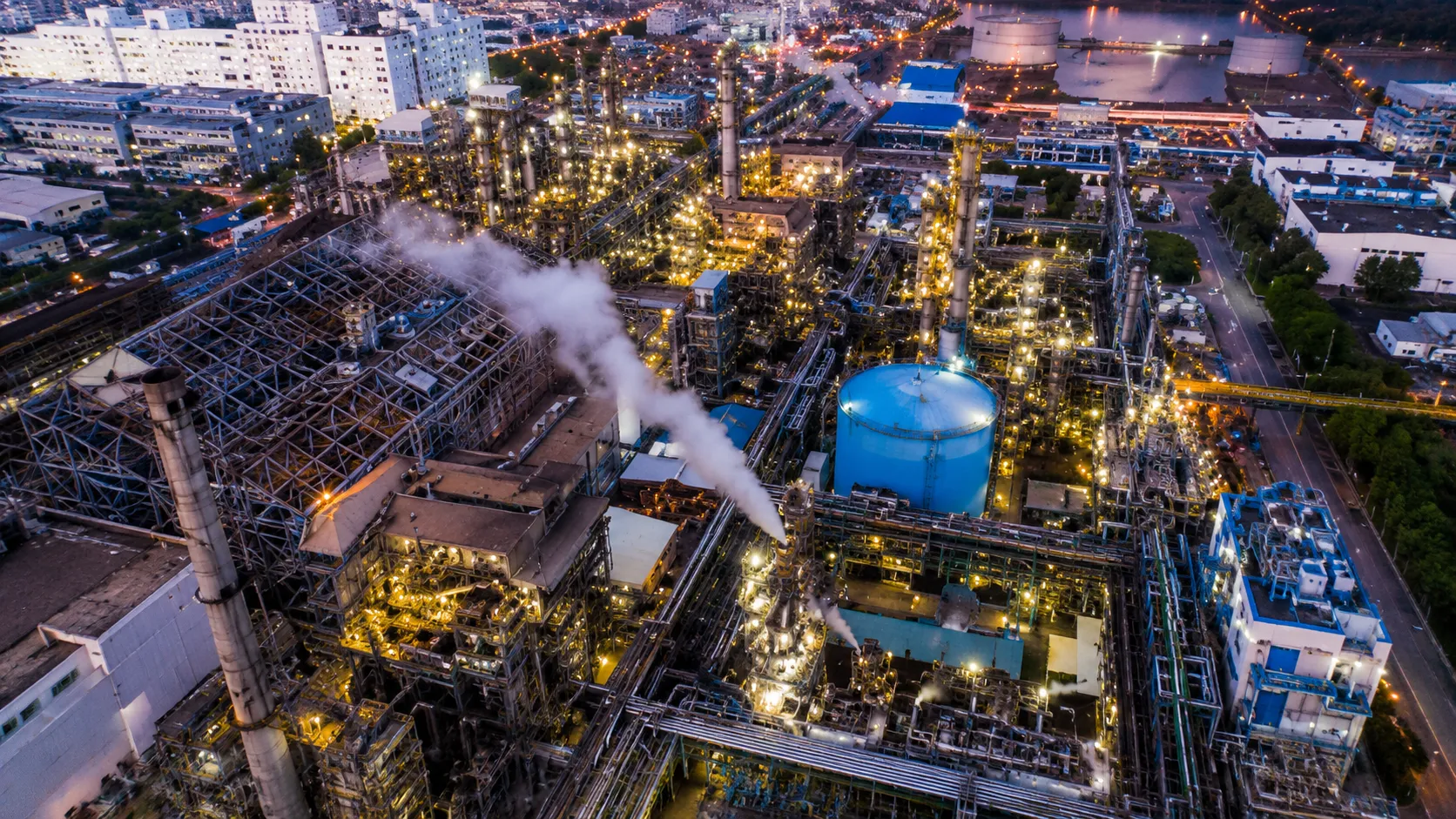
The Industrial Transition Accelerator (ITA), a global platform working to de-risk and accelerate heavy-industry decarbonisation, has selected 11 Indian projects for structural support under its India Project Support Programme. Collectively, the projects — led by major industrial names including Jindal Steel, JSW Steel, ACME Group, Yamna, Circular Urban Energy and renewable energy major ReNew — represent more than $18 billion in potential investment and an estimated 7.8 million tonnes of annual carbon abatement once operational.
The projects span some of the hardest-to-abate sectors in industrial decarbonisation: steel production, green chemicals, sustainable aviation fuel, and shipping. More than 70 per cent of the selected pipeline comprises green ammonia and green methanol projects, reflecting both the commercial maturity of that technology relative to alternatives and India's strategic ambitions to become a major exporter of clean industrial feedstocks as global demand for low-carbon fuels accelerates.
Among the flagship projects, Jindal Steel is developing a carbon capture, utilisation and storage (CCUS) facility at its integrated steel plant in Angul, Odisha, designed to capture between 1.0 and 1.2 million tonnes of CO2 annually, with the captured carbon intended for use in products such as methanol, ethanol, polycarbonates and mineralised construction materials. At JSW Steel's Vijayanagar facility in Karnataka, the company is jointly evaluating Carbon Clean's modular CycloneCC technology alongside mining major BHP, targeting capture of up to 100,000 tonnes of CO2 annually — a smaller-scale but technologically significant pilot for modular carbon capture retrofits at existing steel plants.
ACME Group, meanwhile, is advancing green chemicals projects at Gopalpur and Paradip in Odisha, including 400 KTA and 800 KTA green ammonia facilities respectively, alongside a 200 KTA green methanol plant at Paradip — a cluster of projects that, taken together, would represent one of the largest concentrations of green chemical production capacity anywhere in South Asia.
ITA's role is not to directly fund these projects but to provide financial de-risking, clean demand creation and project-readiness support intended to help developers reach Final Investment Decision (FID) — the point at which a project moves from planning into committed construction. That distinction matters: India's clean industry pipeline has historically struggled to convert ambitious announcements into operational facilities, with a June 2025 report from Mission Possible Partnership and ITA finding that India's clean industry projects had secured only $13 billion in committed investment against a much larger pipeline, far below China's $61 billion and the United States' $54 billion at the time, with only one project reaching FID in the prior six months.