WomenEntrepreneurship5 MIN READ

Innovist, Co-founded by Sifat Khurana, Nearly Triples Revenue to ₹686 Crore as L'Oréal Prepares to Take Control

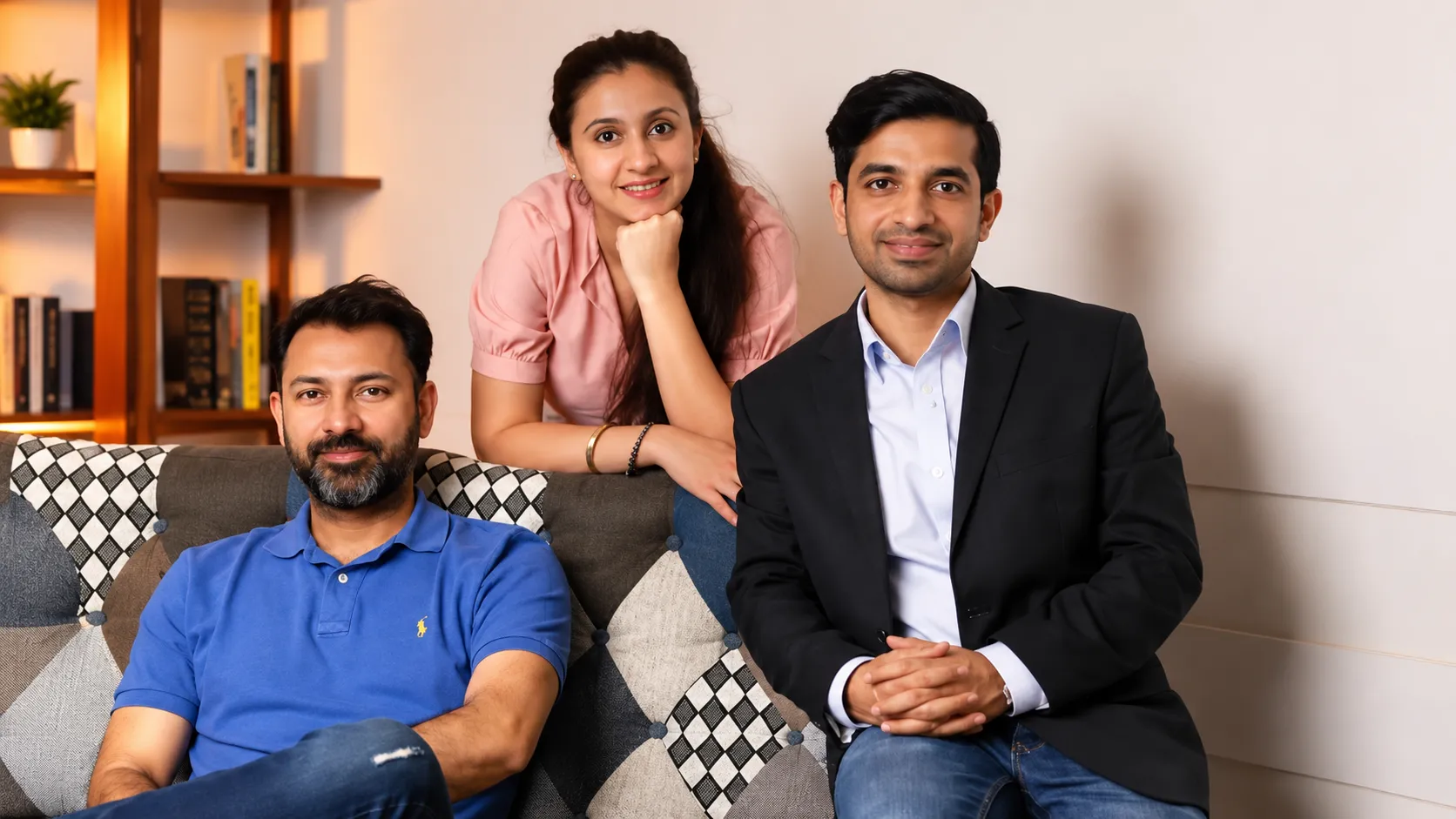
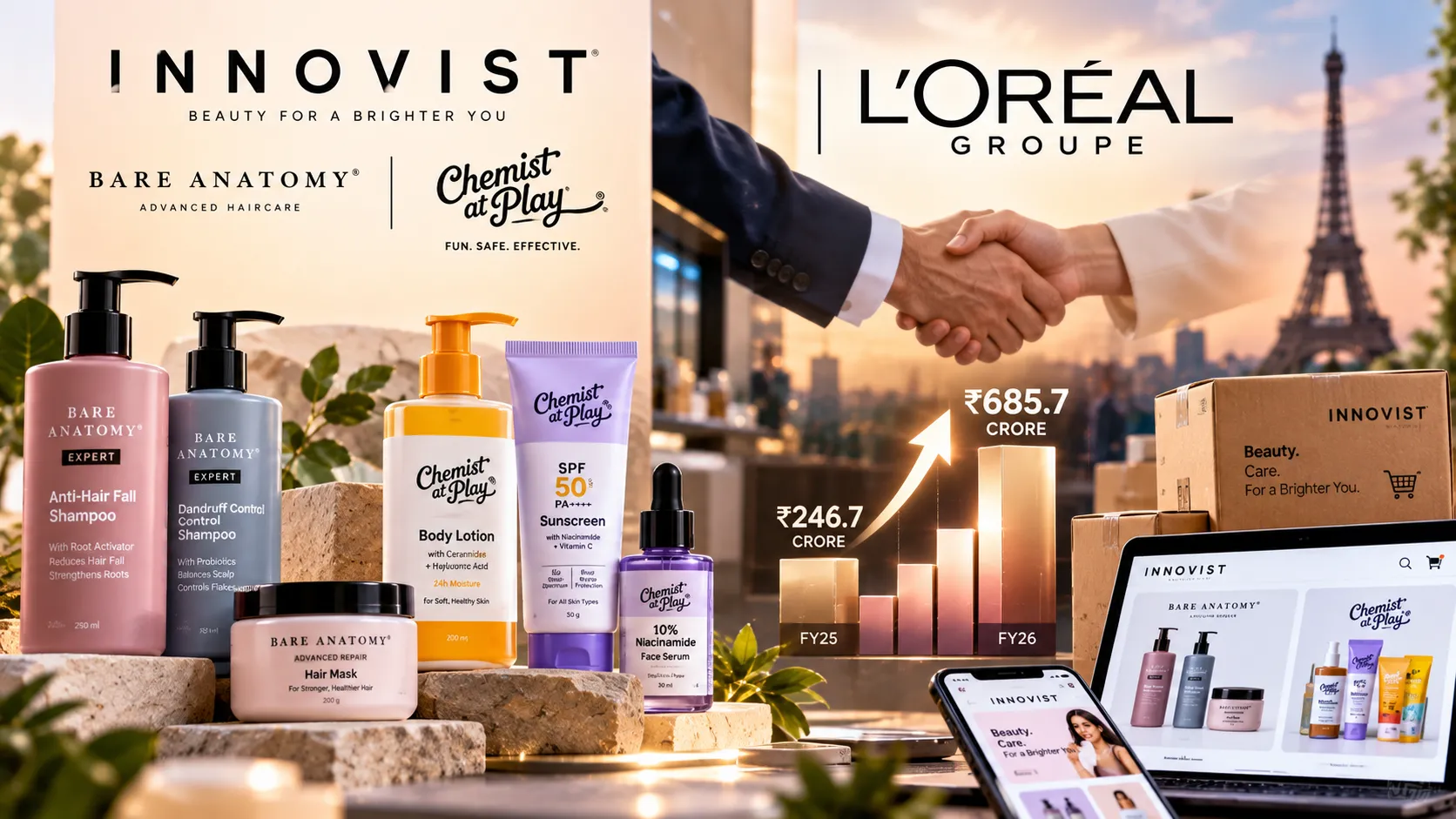
Innovist, the beauty and personal care company behind Bare Anatomy and Chemist at Play, grew revenue from operations to ₹685.7 crore in FY26 from ₹246.7 crore, and posted a net profit of ₹21.5 crore. The company, co-founded in 2019 by Rohit Chawla, Sifat Khurana and Vimal Bhola, agreed in June to sell a majority stake to L'Oréal.

By Prathista Lazar · Author21 October 2026New
Innovist, Co-founded by Sifat Khurana, Nearly Triples Revenue to ₹686 Crore as L'Oréal Prepares to Take Control

Few Indian consumer brands have grown as quickly as Innovist. The beauty and personal care company behind Bare Anatomy and Chemist at Play nearly tripled its revenue in the 2025-26 financial year and swung to a solid profit, according to regulatory filings reported by Entrackr on October 20, months after agreeing to sell a majority stake to French cosmetics giant L'Oréal.

Revenue from operations rose to ₹685.7 crore in FY26 from ₹246.7 crore in FY25. Product sales accounted for ₹676.3 crore of the total, up from ₹239.1 crore, with other operating revenue such as shipping and scrap sales contributing ₹9.4 crore.

The company recorded a profit before tax of ₹30.5 crore, compared with a loss before tax of ₹55 lakh a year earlier. After a tax expense of ₹8.9 crore, including ₹7.8 crore of deferred tax, net profit stood at ₹21.5 crore.

Founders and the L'Oréal deal

Innovist was founded in 2019 by Rohit Chawla, Sifat Khurana and Vimal Bhola. In June 2026, L'Oréal agreed to acquire a majority stake in the company, according to Indian Retailer. Under the deal, the founders will remain minority shareholders and continue to lead the business alongside L'Oréal India, and L'Oréal has secured rights to acquire the remaining shares later. The transaction was expected to close over the following months, subject to regulatory approvals and customary conditions. The deal value was not disclosed.

For Khurana, one of a small number of women co-founders to build an Indian consumer brand to this scale, the deal represents a striking validation. Women founders and co-founders have been particularly active in India's beauty and personal care sector, where women make up a large share of customers, and where understanding consumer needs, ingredients and formulations is central to building trust.

The L'Oréal transaction is one of the most significant acquisitions of an Indian digital-first beauty brand by a global group, and it adds to a growing list of exits in the sector as multinational companies look to tap India's fast-growing beauty market.

The cost of rapid growth

Innovist's growth has required heavy investment in marketing. Advertising and promotional expenses rose to ₹262 crore in FY26 from ₹84.2 crore, about 38% of operating revenue. Commissions paid to sole selling agents increased to ₹92 crore from ₹15 crore, reflecting the expansion of distribution through partners.

Total expenses rose to ₹662 crore from ₹250 crore. The cost of materials consumed nearly doubled to ₹162 crore, while employee benefit expenses doubled to ₹39 crore.

Despite these costs, Innovist managed to turn profitable as revenue grew faster than expenses, a notable achievement in a category where many brands have struggled to balance growth and profitability. At the end of FY26, the company held current assets of ₹303 crore, including ₹81 crore in cash and bank balances.
d9b5e871-40db-4434-ab15-f0d92d089542.png

How Innovist built its brands

Innovist, which operates through Onesto Labs, develops skincare and haircare products and manufactures them in India. Bare Anatomy focuses on personalised haircare and skincare solutions, while Chemist at Play offers ingredient-led products, including body care and sun care, aimed at younger consumers.

The company sells through online marketplaces, its own websites and third-party offline stores, and has expanded into quick commerce, where fast delivery of beauty products has become increasingly popular in Indian cities. Its multichannel strategy reflects a broader shift among digital-first brands towards omnichannel distribution as they seek to reach consumers beyond the internet.


“Innovist shows how an Indian beauty brand can scale fast enough, and profitably enough, to attract the world's largest cosmetics company.”
— TIGI Women Desk

India's beauty boom

India's beauty and personal care market has grown rapidly, driven by rising incomes, urbanisation, social media and growing awareness of skincare. Younger consumers are increasingly interested in ingredients, efficacy and personalised solutions, creating opportunities for new brands that can communicate scientifically and authentically.

Digital-first brands have taken advantage of online channels to reach consumers directly, building communities on social media and using data to develop products quickly. The rise of quick commerce has added another channel, allowing consumers to order beauty products for delivery within minutes.

Global beauty groups have taken note. L'Oréal, Unilever and others have invested in or acquired Indian brands to strengthen their presence in a market they see as one of the most important growth opportunities in the world. Acquiring established digital-first brands gives them access to younger consumers and agile product development.

Lessons for founders

Innovist's journey offers lessons for India's consumer startups. Building a profitable brand at scale requires not only strong products and marketing, but also disciplined management of costs and distribution. The company's ability to turn profitable while nearly tripling revenue made it an attractive acquisition target.

For women founders in particular, Khurana's role in building one of India's fastest-growing beauty companies is a reminder of the opportunities in consumer categories where deep understanding of customers can be a decisive advantage. Women-led and co-founded startups still receive a small fraction of venture funding in India, but successful outcomes like Innovist can help change investor perceptions.

The role of global acquirers

Acquisitions by multinational consumer companies have become an important exit route for Indian direct-to-consumer brands. Global groups see such deals as a way to gain quick access to India's fast-growing consumer market, digital-first distribution and younger customers who are loyal to newer brands.

For founders and investors, a strategic acquisition can provide a valuable exit at a time when IPO markets are selective about loss-making consumer companies. It can also give brands access to global research and development, manufacturing expertise and distribution networks, helping them scale faster. The challenge for acquirers is preserving the agility and brand identity that made the startups successful in the first place.

What comes next

As L'Oréal moves to complete its acquisition, Innovist will gain access to the French group's global expertise in research, manufacturing and distribution, while retaining its founders' leadership. The combination could accelerate the brands' expansion within India and potentially internationally.

For India's beauty industry, Innovist's FY26 performance and its sale to L'Oréal mark a high point for homegrown brands. They show that Indian companies can build products, brands and businesses compelling enough to attract the world's largest cosmetics company, and that their founders, including women, can create significant value in the process. For India's consumer startup ecosystem, Innovist's trajectory offers a template: build brands quickly, scale revenue and position for a strategic exit when global acquirers come calling.

TagsInnovistBare AnatomyChemist at PlayL'OréalSifat KhuranaRohit ChawlaVimal Bholawomen foundersbeauty and personal careD2CskincarehaircareFY26 resultsOnesto Labsconsumer brandsacquisitionIndian startupsquick commerceadvertisingwomen entrepreneurs

Reader reviews

Sign in to rate and review this article.
Loading reviews…
