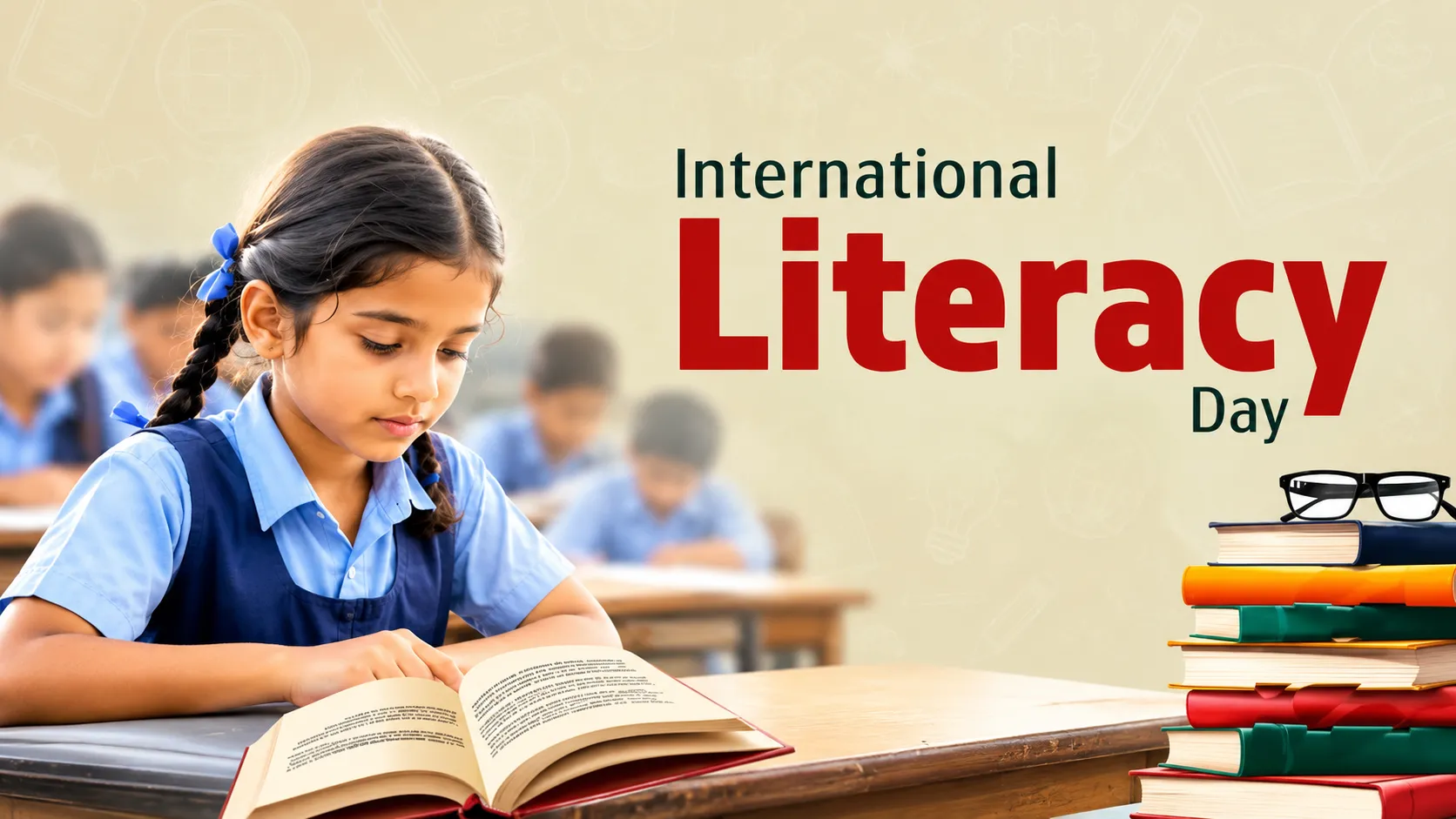
International Literacy Day, observed globally on September 8, drew renewed attention to community-led education initiatives working to extend literacy access beyond India's formal schooling system. Several grassroots and non-profit programmes highlighted this year illustrate how targeted, locally rooted interventions continue to fill gaps that mainstream education infrastructure has struggled to close, particularly in dense urban slums and remote, sparsely populated regions.
In Delhi, Pehchaan The Street School runs weekend classes for children in the city's informal settlements, offering foundational literacy and numeracy instruction to students who often lack consistent access to formal schooling due to family economic pressures, migration or the absence of documentation required for enrolment in government schools. The programme's weekend format is deliberately designed to accommodate children who may work or assist their families during weekdays, reflecting an approach that adapts to the realities of urban poverty rather than expecting families to conform to conventional school schedules.
In Arunachal Pradesh, roadside libraries have emerged as a low-cost, high-reach model for extending reading access into some of India's most remote and infrastructure-poor terrain. Given the state's mountainous geography and dispersed population, traditional school and library infrastructure remains difficult and expensive to build at scale. Roadside libraries — simple, accessible book-lending points situated along transit routes — offer an alternative that requires minimal capital investment while still reaching communities that would otherwise have little access to reading material outside formal school hours.
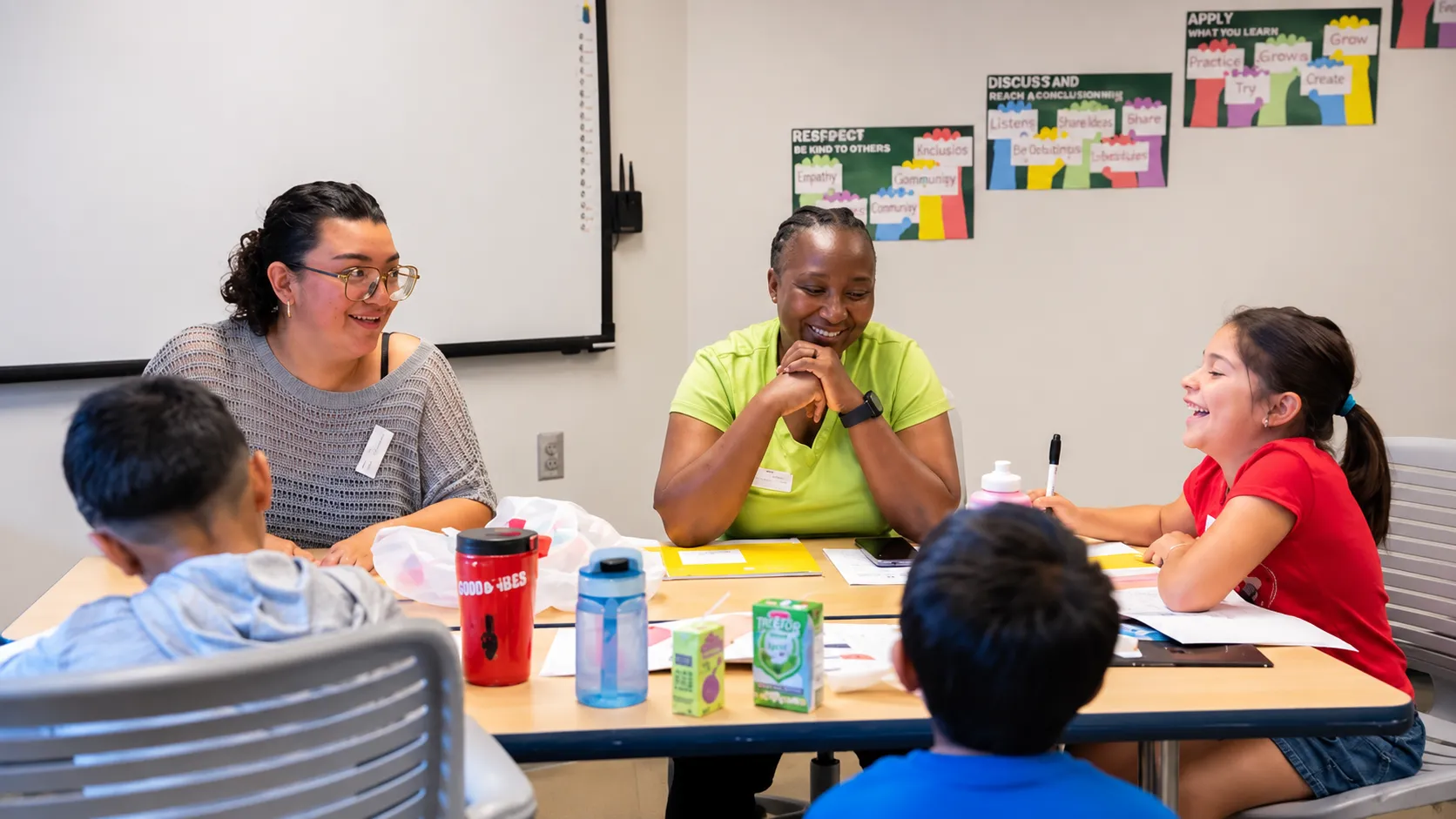
The Central Square Foundation, a prominent India-focused education-sector organisation, has continued to expand programmes aimed at improving foundational literacy and numeracy outcomes, working alongside government and other non-profit partners on interventions designed to be integrated into or run parallel to public education systems. Foundational literacy — the ability to read with comprehension and perform basic arithmetic by the end of early primary grades — has become a central policy focus in India following the launch of the NIPUN Bharat Mission, which set ambitious national targets for foundational learning outcomes.
Despite measurable progress under NIPUN Bharat and related state-level initiatives, education-sector analysts note that as the mission's target period approaches, the remaining challenge is shifting from expanding access to improving the depth and consistency of learning outcomes — a harder problem that requires sustained teacher training, curriculum reform and community engagement rather than simply building more classrooms or libraries. Community-led models like street schools and roadside libraries are increasingly viewed not as substitutes for formal education systems but as complementary interventions that can reach children whom the formal system currently misses or underserves.
As India continues to expand its education infrastructure, International Literacy Day's 2026 observance underscored a consistent theme across the initiatives spotlighted: literacy gains are rarely achieved through a single intervention, but through a layered ecosystem of formal schooling, targeted community programmes and sustained policy attention — each addressing a different segment of the population that the others struggle to reach on their own.