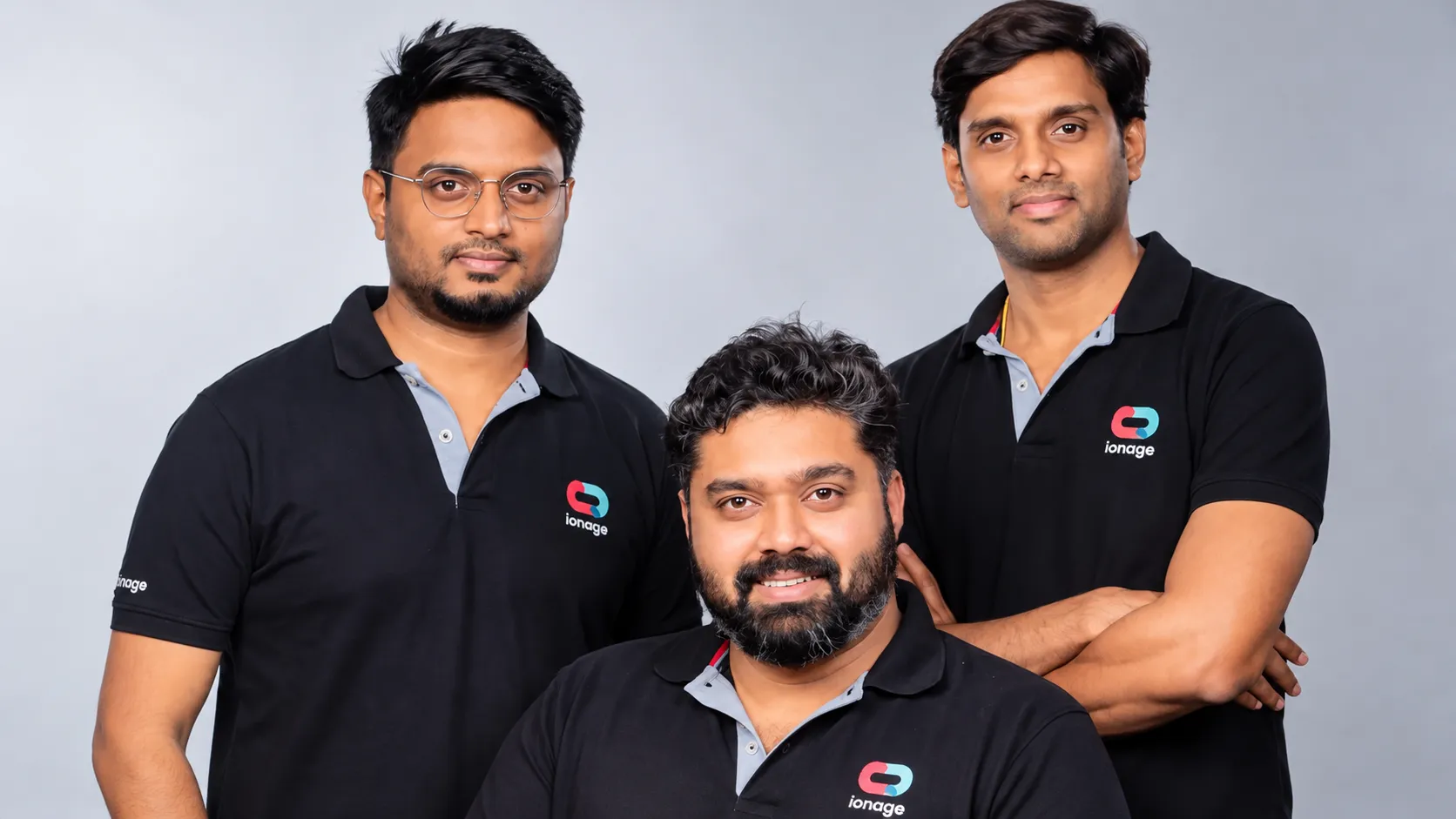
Ionage, a Bengaluru-based software company that links electric-vehicle charging networks, fleets and property owners, has raised $1.3 million in pre-Series A funding to expand its coverage of India's chargers and make them easier for drivers to find and pay for.
The round, announced on 7 October, came from strategic investors and a consortium of senior executives from energy and infrastructure companies, according to Mercom India and StartupTalky. None of the investors was named.
Ionage describes itself as an AI-enabled energy management platform. It says it has onboarded more than 25,000 four-wheeler charge points, works with more than 75 charging partners and supports more than 63 fleets, with operations in 33 states and union territories covering nearly 3,000 cities.
The company's pitch rests on a simple observation that its chief executive has made repeatedly: India has added chargers quickly, but a driver still cannot count on finding one that works and paying for it easily. Public charging infrastructure has grown nearly sixfold since 2022, according to figures cited in the announcement, yet reliability has not kept pace with that growth.
Fixing the charger that is on the map but not working
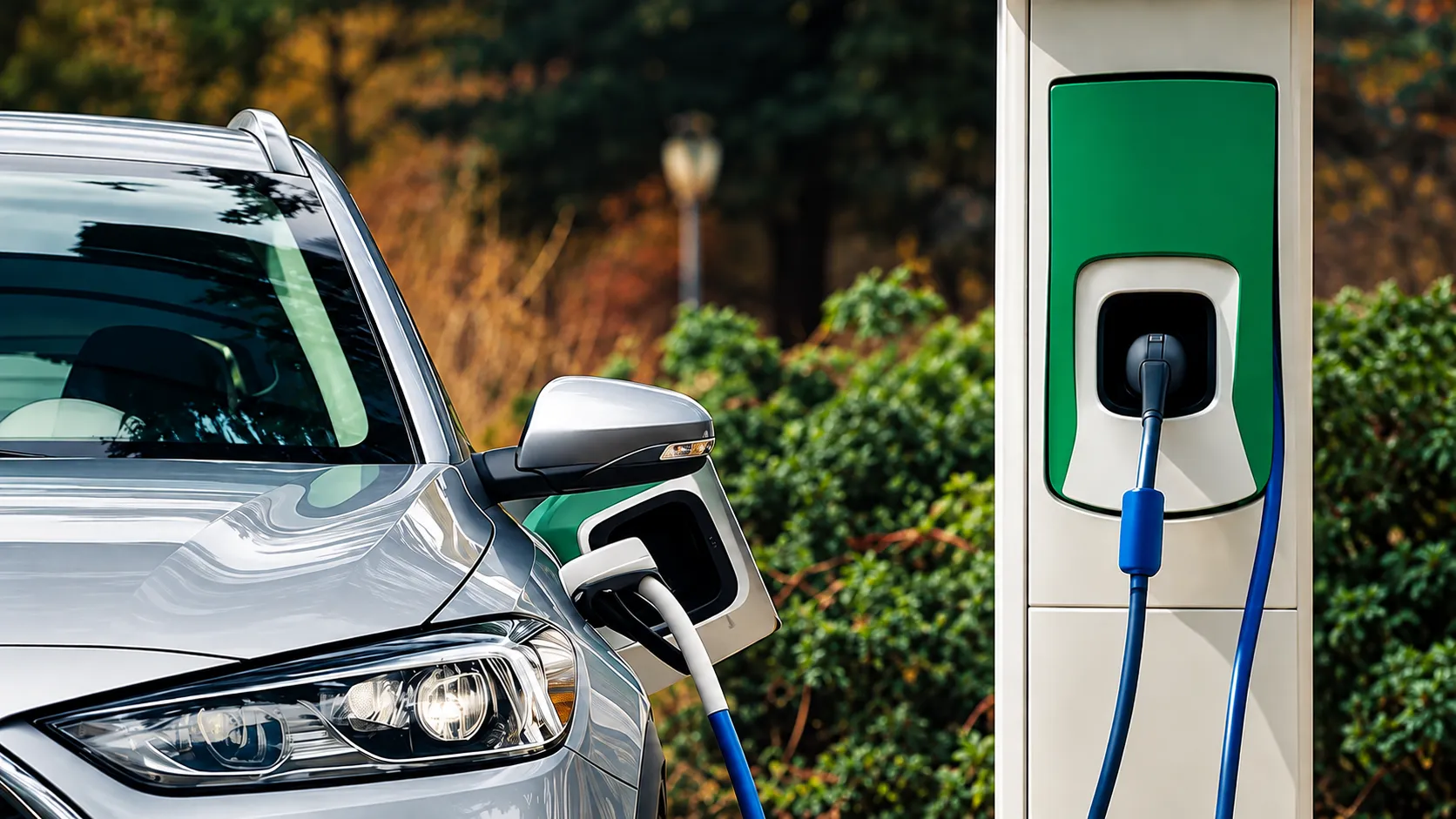
The problem Ionage is targeting will be familiar to many Indian EV owners. Public chargers are run by dozens of operators, each with its own app, payment system and pricing. A driver may find a charger listed online only to arrive and discover that it is offline, occupied or tied to an app they do not have.
Figures cited in the company's announcement, as reported by StartupTalky, put the scale of the reliability gap in stark terms: nearly two in five public chargers are non-functional at any given time, and India had more than 30,000 public chargers in early 2026, of which about 22,750 were operational.
Vimal Kumar V, Ionage's co-founder and chief executive, argued that adding more chargers alone will not solve the problem if drivers cannot rely on the ones that exist. He said the company wants to become the operating system every charger can run on, regardless of who owns it. “A driver anywhere in India should be able to trust that the charger they see on a map is the charger they can use,” he said.
The company's model is asset-light. Rather than installing and owning chargers itself, it provides the software and interoperability layer that sits between large charge point operators (CPOs), small and medium operators such as restaurants and fuel station owners, real-estate developers, housing societies and commercial fleets. Ionage says its software runs on more than 70 per cent of the charging hardware used in India.
Its product suite reflects that position. Nexus is an operations platform for charge point operators; the IONAGE app lets drivers discover, plan, charge and pay across networks; Flo is a marketplace that matches fleets with operators; CASA manages home charging; and a discovery API and business software kit are in closed beta. Its solutions also serve offices, malls, hotels and residential societies.
Where the money goes
Ionage said the funds will be used to extend coverage to all active charger networks in India, improve charger discovery and payments for drivers, and help smaller operators set up stations and run them more efficiently. It plans to create and support micro-clusters of charge point operators in Tier 2 cities within 18 months.
The company has also begun using AI and machine-learning models for load balancing and energy trading, which would let operators spread demand across sites and buy power more cheaply. It said it is on track to handle more than 20 million units of electricity a month within 12 months and expects month-on-month growth above 25 per cent.
The new figures show how quickly the business has moved. In April 2024, Electronics For You reported that Ionage, founded in September 2021, had about 3,000 charge points listed nationwide, more than 70,000 users and partners including MG Motor India. At the time, it set a target of bringing 100,000 chargers onto its roaming platform by 2028. It also aimed to help more than 10,000 small and medium businesses enter EV charging and to enable charging installations in more than 50,000 apartments by the same year.
Residential charging is an important piece of that plan. Most EV owners in Indian cities live in apartment complexes, where installing a charger can involve negotiations with housing societies over parking, wiring and billing. Software that meters usage and splits costs fairly among residents, such as Ionage's CASA product, addresses one of the most common reasons such installations stall.
Getting from 3,000 to more than 25,000 four-wheeler charge points in about two and a half years suggests that operators see value in plugging into a shared layer rather than building every piece of software themselves. For smaller businesses, such as a highway restaurant adding a charger to attract customers, the ability to rely on someone else's app, payments and maintenance tools can make the investment viable.
A market growing faster than its chargers
Demand for charging is rising quickly. India sold 951,884 electric vehicles in the July to September quarter of 2026, up 64.4 per cent from 578,987 a year earlier, according to Mercom India's analysis of the government's Vahan dashboard. EVs made up about 12.5 per cent of all vehicle sales in the quarter, and the country has more than 10.41 million registered EVs. Most of those are two- and three-wheelers, but electric car sales and electric fleets are also growing.
Charging infrastructure has struggled to keep pace. According to figures cited by StartupTalky, India had about one public charger for every 235 EVs in 2025, against a global range of roughly one for every six to 20, and research by CII and ORF suggests the country will need more than 1.32 million public chargers by 2030.
Government support is aimed at that gap. The PM E-DRIVE scheme includes a proposed ₹2,000 crore for charging infrastructure, and the government notified operational guidelines last October for deploying public charging stations under the scheme. The Bureau of Energy Efficiency is leading work on standards and interoperability, work that will shape how platforms such as Ionage's connect different networks. Connector standards follow the IS 17017 series, with separate light-EV standards of up to 12 kW for electric two- and three-wheelers.
For a company with a $1.3 million cheque, the ambitions are large and the field is crowded with operators building their own apps and aggregators trying to list every charger. Ionage's bet is that the hard part of India's EV transition is not only putting chargers in the ground but making them dependable, and that whoever solves reliability will become the default layer for drivers and operators alike.