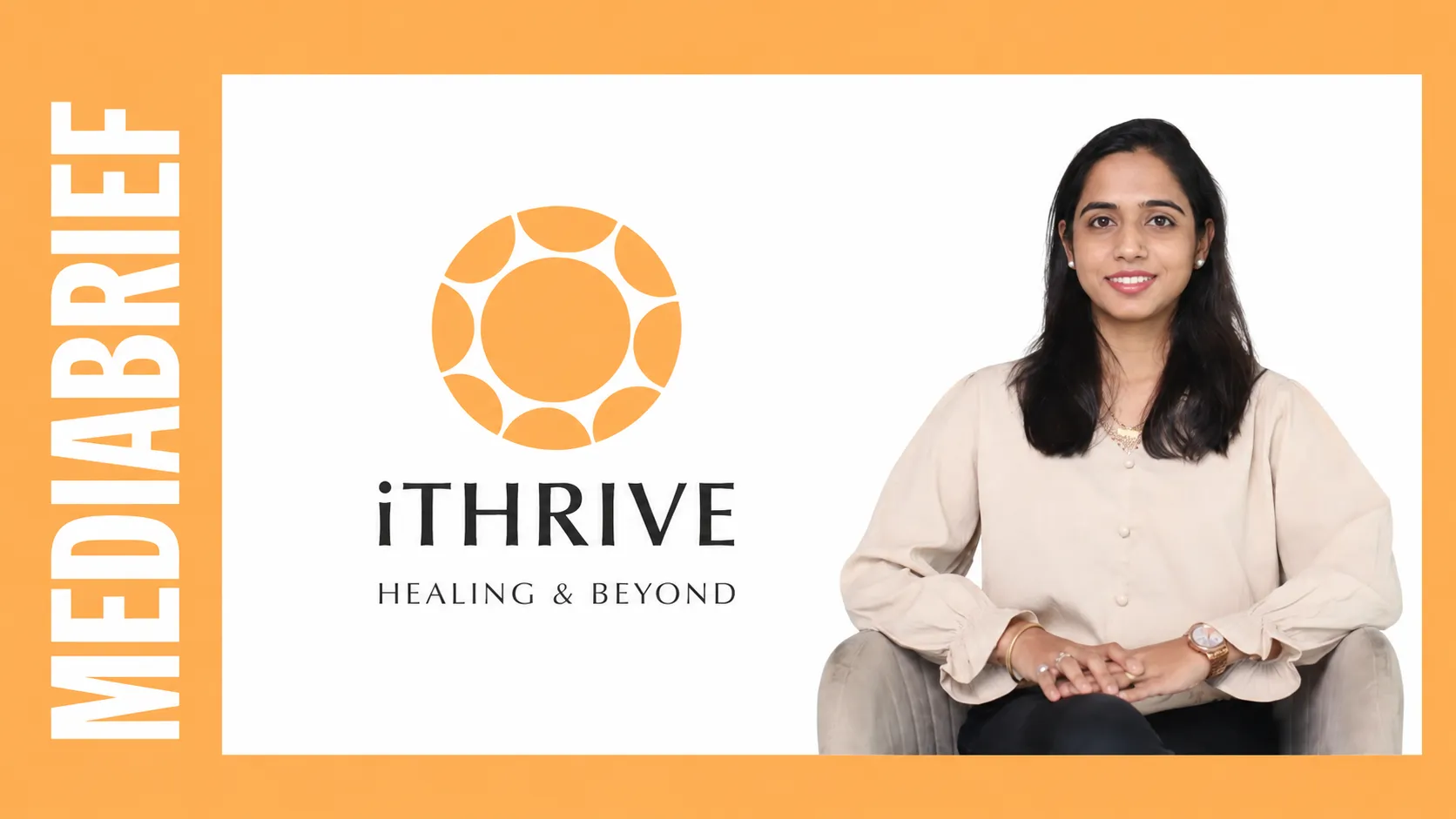
In a corporate world where women remain under-represented in boardrooms, a small Indian wellness company has made a quiet but symbolic move.
iThrive, a functional nutrition company founded by Mugdha Pradhan, has appointed Saloni Kulkarni, its former head of client services, to its board of directors, the company announced on Thursday, September 24. With the appointment, iThrive's board is now represented entirely by women, according to YourStory and other outlets that reported the move.
From nutritionist to director in five years
Kulkarni's rise has been rapid. She joined iThrive in 2021 as a functional nutritionist, shortly after completing her bachelor's degree in nutrition. Over the following years, she took on additional responsibilities and eventually became head of client services, managing the relationships and outcomes that sit at the core of the company's business.
In her new role as a board member, Kulkarni will continue to contribute to the company's strategic direction, with a focus on strengthening its functional nutrition practice and advancing its work in nutrition and wellness.
Pradhan, iThrive's founder and chief executive, said Kulkarni's career progression reflects the kind of opportunities the company seeks to create for women professionals.
The appointment stands out because of the path it represents. Board seats, even at small companies, often go to external investors, senior executives hired from outside or people with established networks. Promoting an employee who joined at the start of her career and rose through the organisation sends a signal about how the company values internal talent and institutional knowledge.
What iThrive does
iThrive describes itself as a functional nutrition platform. Its offerings include functional nutrition education and training, online courses, certification programmes and content such as podcasts, as well as client-facing nutrition services.
Functional nutrition is an approach that focuses on how diet and lifestyle affect the body's underlying systems, rather than only on symptoms. Practitioners typically look at factors such as gut health, sleep, stress, metabolic health and individual responses to food when designing nutrition plans.
The field has grown rapidly in popularity in India and elsewhere, driven by rising rates of lifestyle-related conditions such as diabetes, obesity and heart disease, and by growing consumer interest in preventive health. At the same time, it has attracted debate within the medical community about the strength of the evidence behind some of its claims, and about how nutrition advice should complement, rather than replace, conventional medical care. Well-run organisations in the space increasingly emphasise training standards and collaboration with medical professionals.
Why an all-women board matters
iThrive is a small company, and its board decisions do not carry the weight of those at large listed corporations. But its move is symbolic in a country where women remain significantly under-represented in corporate leadership.
India's Companies Act, 2013, requires certain classes of companies, including listed companies, to appoint at least one woman director. That rule has increased the number of women on Indian boards, but progress beyond the minimum has been slow. Many companies still have just one woman on the board, and women remain relatively rare in the roles of chair, managing director and chief executive.