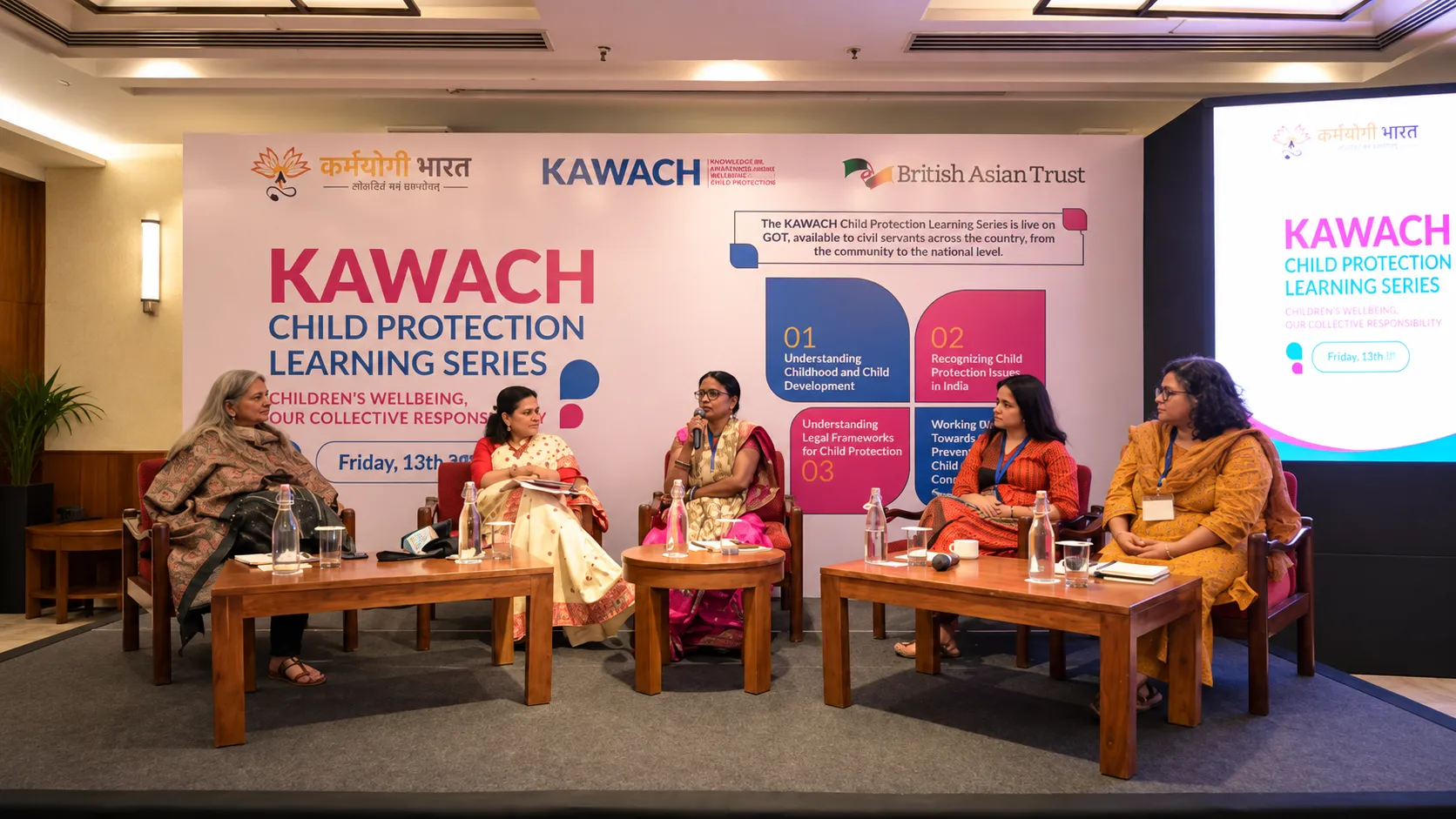
Kaboom Impact's Kawach, a four-part interactive learning programme delivered on the government's iGOT Karmayogi platform, has now been completed by 1,20,000 Indian civil servants, using storytelling and animation to build empathy and practical understanding around child protection issues. The programme was developed in partnership with the British Asian Trust and Mission Karmayogi, the government's flagship civil service capacity-building initiative.
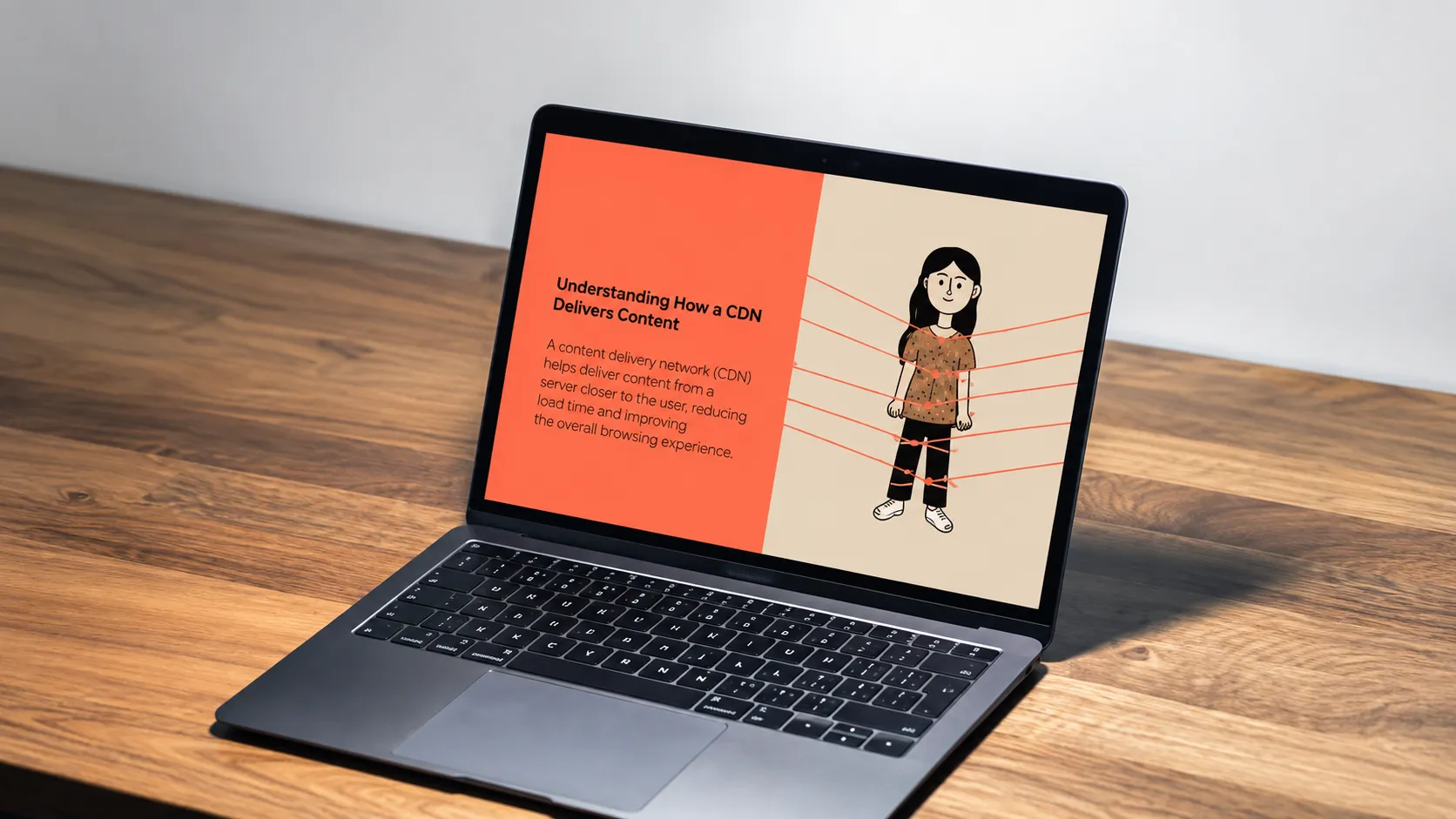
Kawach's design leans on narrative and animated storytelling rather than conventional policy briefings or procedural training modules — a deliberate pedagogical choice intended to help civil servants internalise the human dimensions of child protection work, rather than simply memorising regulatory frameworks or reporting procedures. The programme's completion by more than a hundred thousand government officials represents one of the larger scaled deployments of a social-impact-focused training module within India's civil service capacity-building ecosystem.
The iGOT Karmayogi platform, launched as part of the broader Mission Karmayogi civil service reform programme, has emerged as a significant distribution channel for training content aimed at India's vast government workforce, offering a scalable digital infrastructure for delivering standardised training across ministries, states and administrative levels. Partnerships between social enterprises such as Kaboom Impact and government capacity-building programmes reflect a broader trend of public-private collaboration in designing and delivering training content that blends technical policy knowledge with softer, behaviourally focused learning objectives.
Child protection remains a persistent policy challenge in India, spanning issues from child labour and trafficking to abuse prevention and welfare service delivery, with frontline civil servants — from local administrators to law enforcement and social welfare officers — playing a critical role in how protective frameworks are implemented on the ground. Training programmes that build genuine empathy and situational understanding among these officials, rather than purely procedural compliance, are widely regarded by child welfare experts as essential to improving real-world outcomes, given that effective child protection interventions often depend heavily on the judgment and sensitivity of the officials involved.
The British Asian Trust's involvement brings international child protection and social development expertise to the programme's design, reflecting a broader pattern of global development organisations partnering with Indian social enterprises and government institutions to scale evidence-based interventions across the country's vast civil service. For Kaboom Impact, the scale achieved by Kawach — reaching well over a hundred thousand officials — offers a proof point for the broader potential of narrative-driven, technology-enabled training as a tool for civil service capacity building across other sensitive policy domains beyond child protection.
As India continues to invest in modernising civil service training through platforms like iGOT Karmayogi, programmes such as Kawach illustrate how social enterprises can play a meaningful role in shaping not just the technical content but the underlying design philosophy of government capacity-building efforts, particularly in policy areas where empathy and human judgment are as critical to good outcomes as procedural knowledge.