Depression is one of the world's most common and disabling illnesses, yet many patients find that existing treatments either do not work well enough or take weeks to have an effect. A young Finnish biotech company believes a new approach, rooted in decades of research into how the brain rewires itself, could help.
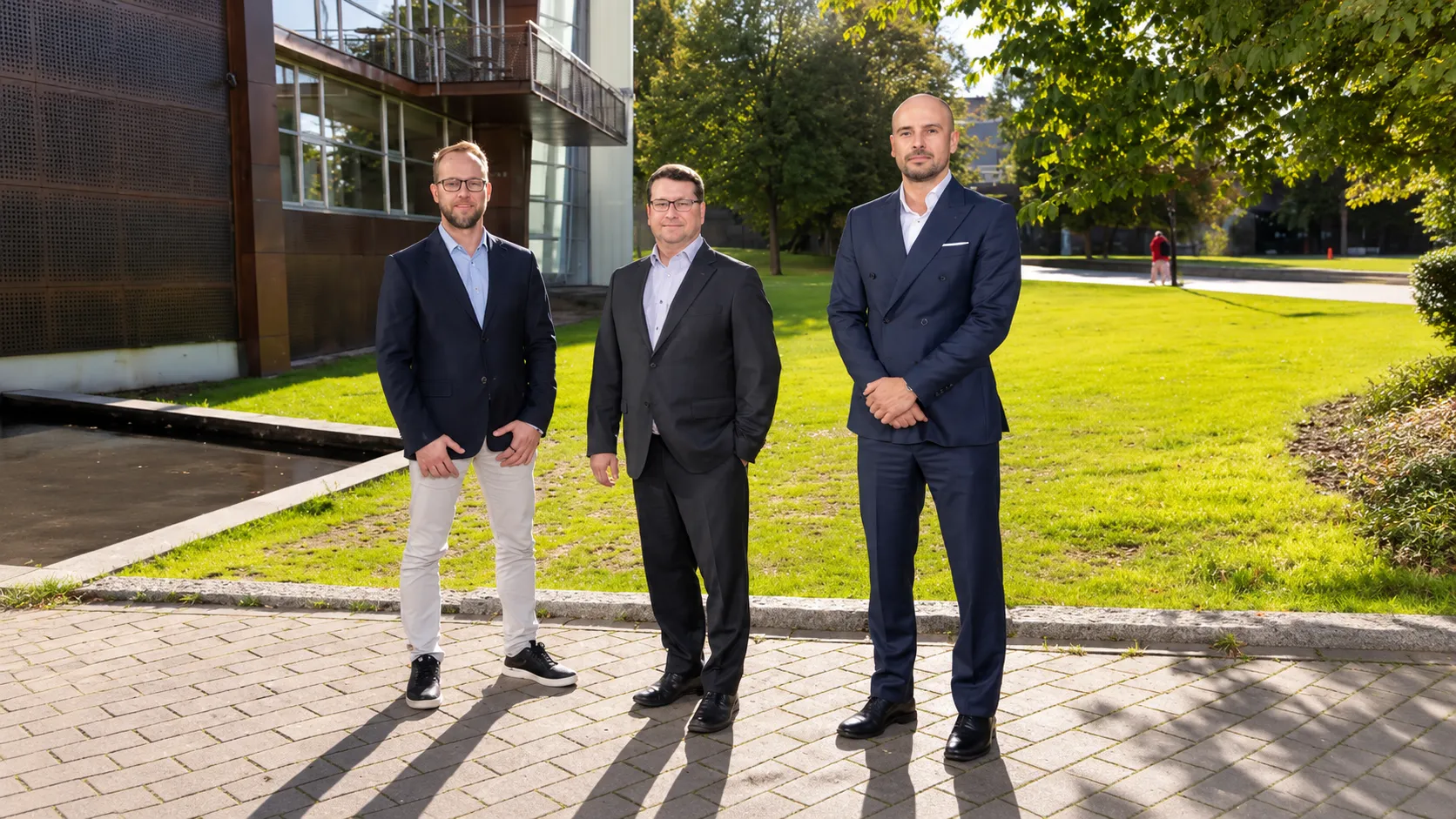
Kasvu Therapeutics, based in Helsinki, announced on Thursday, September 24, that it has raised €30 million in a Series A financing round led by Hadean Ventures. The round was joined by new investors Tesi, the Finnish Drug Discovery Center and Stephen Industries, alongside existing backers Innovestor Life Science Fund, Nordic Science Investments and Helsinki University Funds, according to the company's announcement and European Biotechnology Magazine.
The funding will be used to advance the company's lead drug candidate, KTX-0141, into clinical development for major depressive disorder.
The science of neuroplasticity
Kasvu's work is based on the research of Eero Castrén, a professor at the University of Helsinki, whose laboratory has studied how antidepressants work at the level of brain plasticity — the brain's ability to form and reorganise connections between neurons.
Central to this research is a protein called brain-derived neurotrophic factor (BDNF) and its receptor, TrkB. BDNF plays a key role in the growth and maintenance of neurons and in the formation of new connections. Castrén's research group has published influential studies suggesting that several classes of antidepressants, as well as psychedelic compounds, may exert part of their effect by acting on TrkB and enhancing its response to BDNF.
That insight opened a new possibility: if the therapeutic benefit of these drugs depends partly on TrkB, it might be possible to design a drug that targets that mechanism directly, while avoiding side effects linked to other receptors.
What KTX-0141 does
KTX-0141 is a small-molecule drug designed to amplify TrkB signalling in response to BDNF. Rather than switching the receptor on artificially, it is designed to enhance the body's natural signalling, preserving the physiological control of the pathway, according to European Biotechnology Magazine.
Crucially, the drug is designed to target the same binding pocket on TrkB that psychedelics act on, while avoiding the 5-HT2A serotonin receptor, which is responsible for the hallucinogenic effects of psychedelic drugs. In preclinical studies, the company says, KTX-0141 showed enhanced structural and functional neuroplasticity, with no hallucinogenic activity observed.
If that profile holds in humans, it could offer a significant advantage. Psychedelic-assisted therapies have shown promise in clinical trials for depression and other conditions, but they require patients to be monitored for hours during treatment, raise safety concerns for some patient groups and face regulatory and social barriers. A drug that delivers similar plasticity-related benefits without hallucinations could potentially be taken more conveniently and by a wider range of patients.
The path to clinical trials
Kasvu plans to begin clinical development in the second half of 2027. The company intends to run a Phase 1/1b programme that will include an initial assessment of efficacy in patients with major depressive disorder, including a control arm.
That design is ambitious for an early-stage trial. Phase 1 studies typically focus on safety and dosing in healthy volunteers. By including patients with depression and a control group at an early stage, Kasvu aims to gather early signals of whether the drug works, which could help it attract further investment for larger trials.