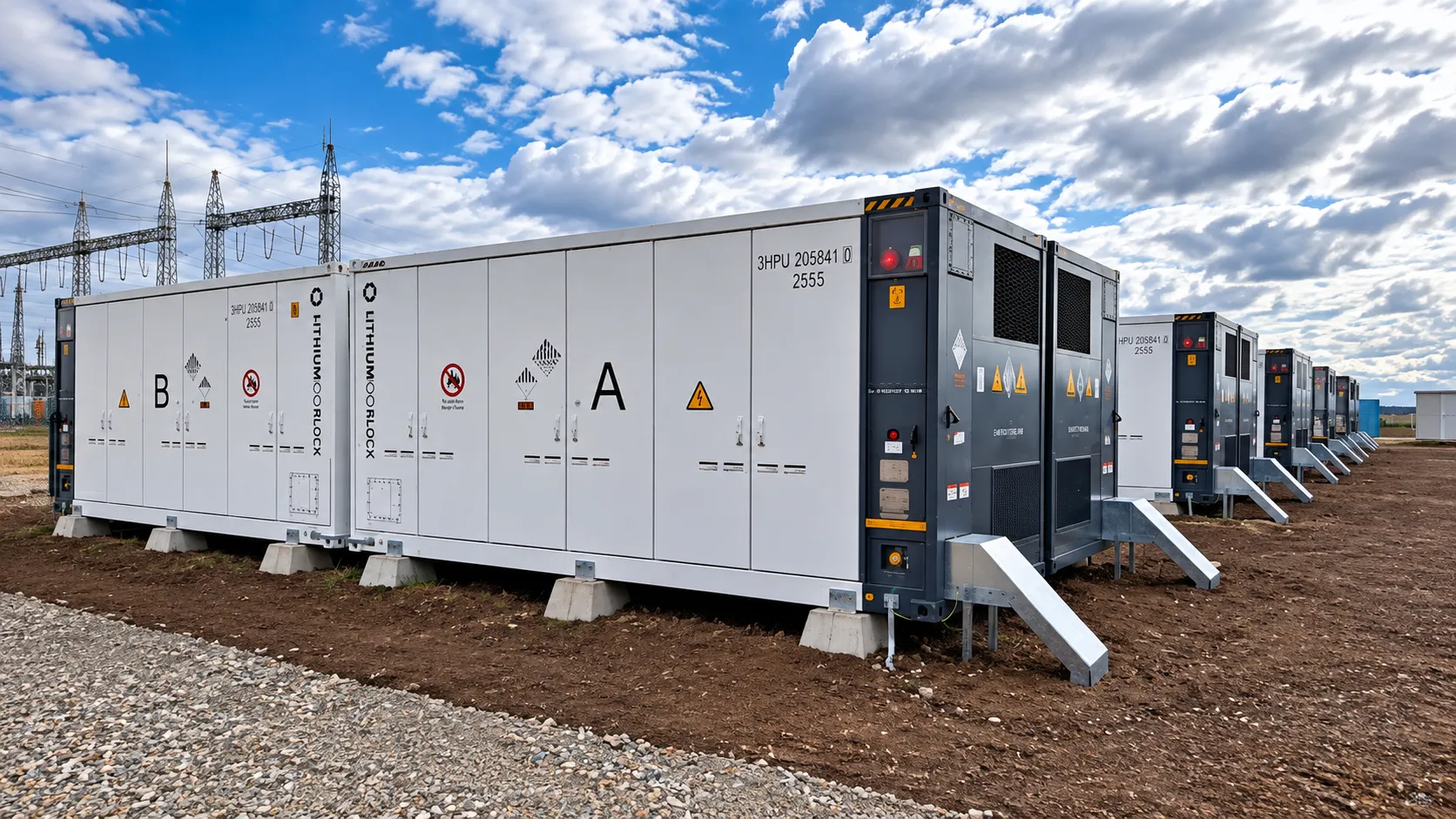
KER Toki Power Romania has launched its first greenfield investment in the country, a standalone battery-storage project located at Ișalnița, the company confirmed on September 8, 2026. The project will feature 147 megawatts of power capacity and 294 megawatt-hours of storage capacity, with the investment expected to cost several tens of millions of euros and reach completion in the first half of 2027.
The Ișalnița project is designed as a standalone storage facility rather than one paired directly with a specific generation asset, reflecting a broader trend in European energy-storage development toward independent, grid-services-oriented battery installations that can provide frequency regulation, peak-shaving and other balancing services to the wider electricity grid rather than serving a single co-located renewable-energy plant. This standalone model has gained traction across European markets as grid operators increasingly need flexible storage capacity to manage the variability introduced by growing shares of wind and solar generation.
Romania has emerged as an increasingly active market for battery-storage investment within Central and Eastern Europe, as the country works to expand its renewable-energy capacity while managing grid stability challenges associated with integrating variable generation sources. The Ișalnița project's scale — comparable to mid-sized utility battery installations elsewhere in Europe — positions it as a meaningful addition to Romania's still-nascent but growing storage infrastructure.
Following the Ișalnița project, KER Toki Power Romania has outlined plans to expand its standalone storage portfolio in the country to between 609 and 1,200 megawatt-hours of capacity, suggesting the company views its initial investment as the foundation for a broader Romanian storage platform rather than a one-off project. That expansion trajectory would place the company among the more significant dedicated battery-storage developers operating in the Romanian market as it scales.
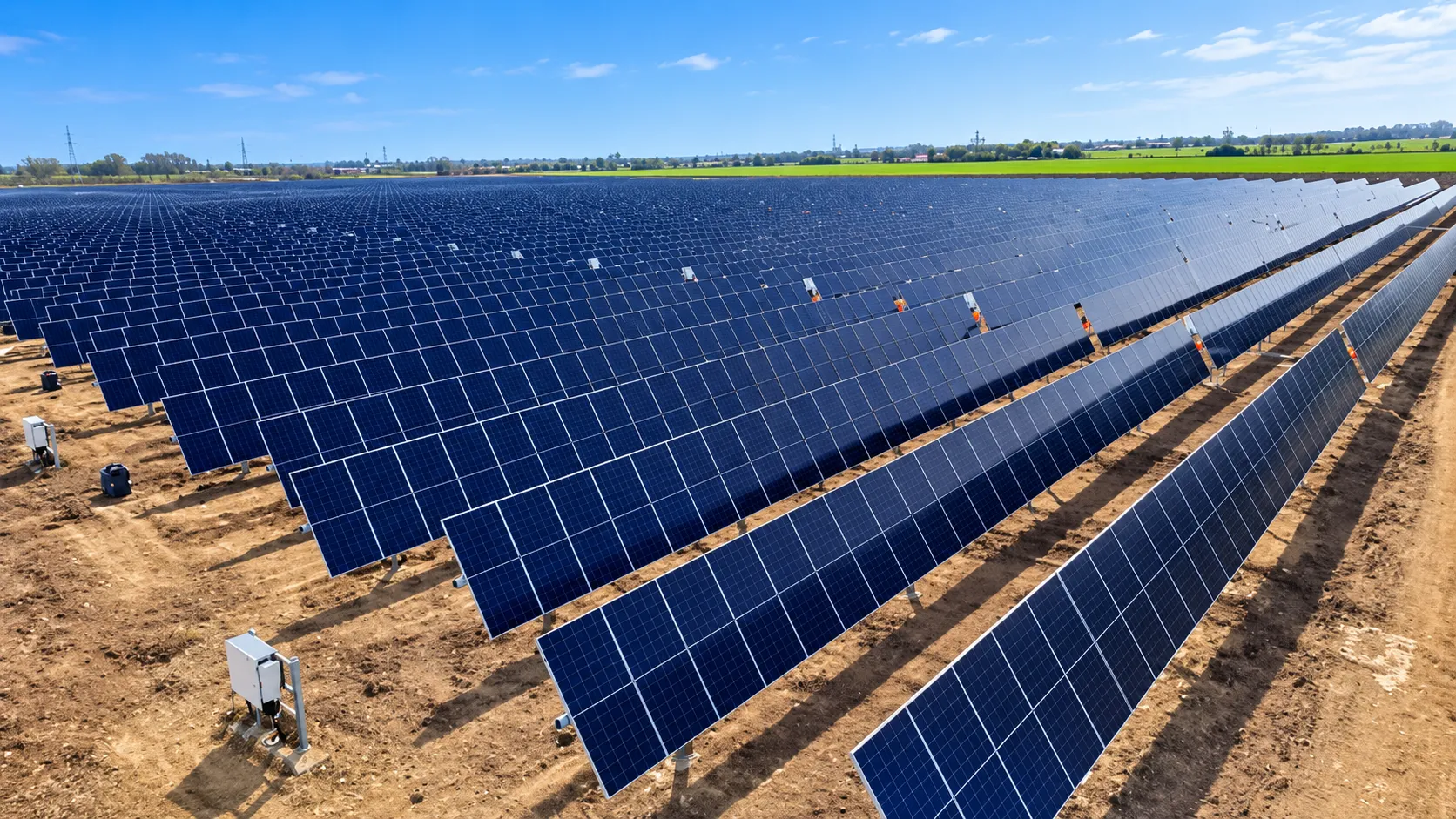
The investment arrives amid accelerating battery-storage deployment across Europe more broadly, as grid operators and renewable-energy developers increasingly treat storage as essential infrastructure for managing an electricity system with rapidly growing shares of intermittent generation, rather than as an optional add-on. Installed solar capacity across several European markets has expanded rapidly through 2026, further increasing the near-term need for storage capacity capable of smoothing generation variability and supporting grid stability during periods of high renewable output or sudden demand shifts.
For KER Toki Power, the Romanian expansion represents part of a broader push into Central and Eastern European storage markets, which have historically attracted less international investment than Western European markets but are increasingly viewed by developers as offering both strong underlying demand growth and comparatively less competitive investment landscapes. As the Ișalnița project moves toward its planned mid-2027 completion, its performance and grid integration will likely serve as an important reference point for the company's subsequent Romanian investments.