ImpactSustainability5 MIN READ

Eco Wise Waste Management's Manik Thapar on Building India's Circular Economy Infrastructure

Renewable Watch profiles Manik Thapar, Founder and Chairman of Eco Wise Waste Management, spotlighting the company's role in building out India's circular-economy and waste-management infrastructure.

By Shaym Kumar · Author16 September 2026
Eco Wise Waste Management's Manik Thapar on Building India's Circular Economy Infrastructure

Eco Wise Waste Management, led by Founder and Chairman Manik Thapar, has been profiled by industry publication Renewable Watch as part of a broader look at the individuals driving India's expanding circular-economy and waste-management infrastructure. The profile places Eco Wise within a growing cohort of Indian companies working to formalise and modernise a waste-management sector that has historically operated largely through informal, unregulated channels.

India generates enormous volumes of municipal, industrial and electronic waste each year, and the country's waste-management infrastructure — spanning collection, segregation, recycling and safe disposal — has long lagged behind the scale of the challenge, with a large share of waste processing historically handled through informal recycling networks that operate with limited safety standards, environmental safeguards or economic formalisation for workers involved in the sector.

Companies such as Eco Wise are positioning themselves at the centre of a structural shift toward formalising this sector, driven by a combination of tightening environmental regulation, growing corporate demand for extended producer responsibility compliance, and rising consumer and investor attention to sustainability outcomes across Indian industry. The circular economy sector broadly — encompassing waste management, recycling, and resource recovery — has increasingly attracted both domestic and international development finance, reflecting growing recognition that effective waste management infrastructure is foundational to broader environmental and public health outcomes in rapidly urbanising economies like India's.
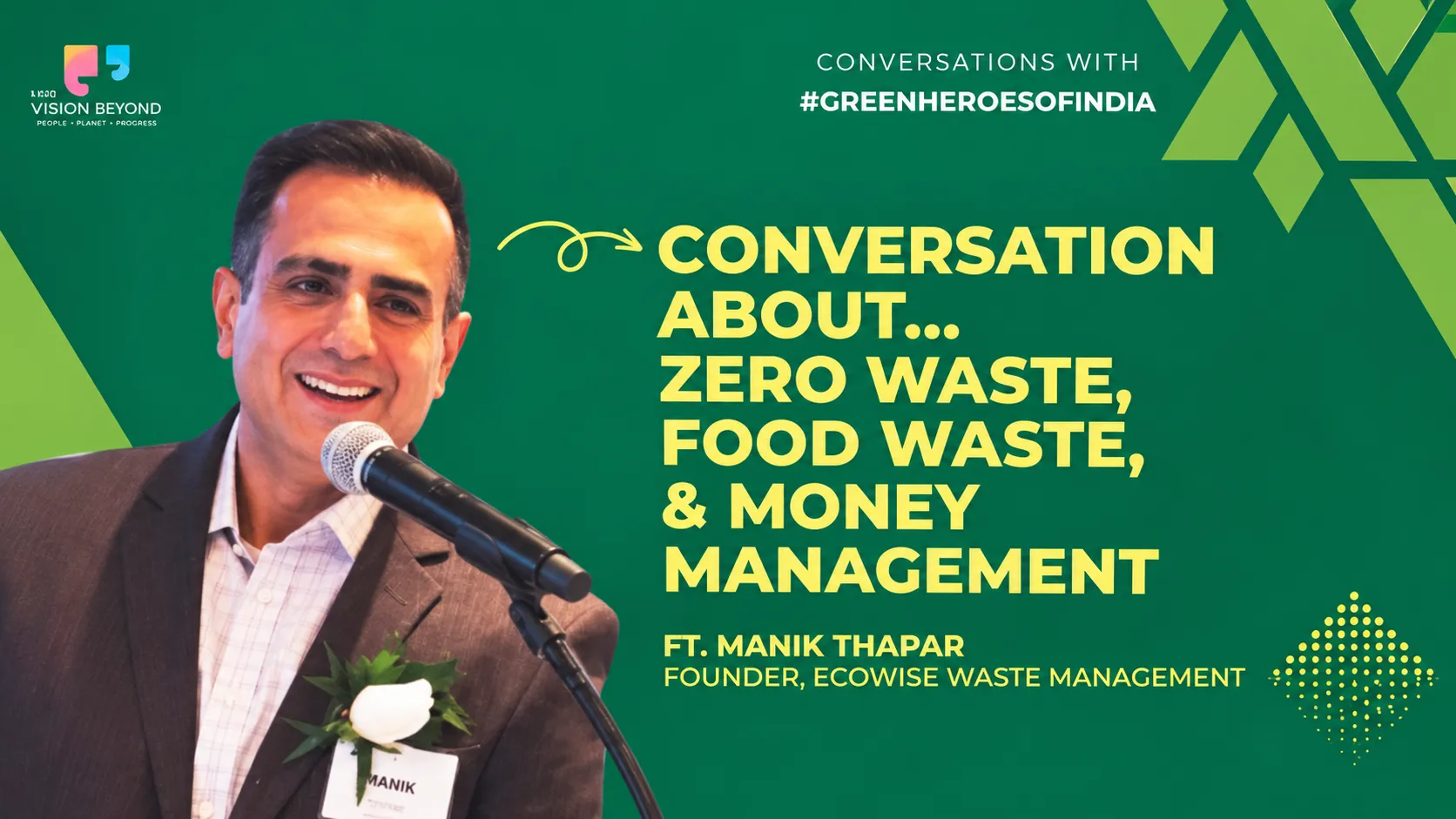

Companies like Eco Wise are positioning themselves at the centre of a structural shift toward formalising India's waste management sector.

image.png

India's policy environment has also evolved to support this shift, with extended producer responsibility regulations increasingly requiring manufacturers across sectors — from packaging to electronics — to take greater responsibility for the end-of-life management of their products, creating commercial demand for formal waste-management and recycling partners capable of meeting compliance requirements at scale.

For entrepreneurs like Thapar, building a formal waste-management business in India requires navigating a complex mix of regulatory compliance, operational logistics across fragmented municipal jurisdictions, and the challenge of competing with — or formalising relationships with — existing informal waste-collection networks that have historically dominated the sector. Success in this space is often measured not just in commercial terms but in broader environmental and social impact metrics, including waste diverted from landfills, formalisation of informal-sector livelihoods, and reduction in environmentally harmful disposal practices.

As India's circular-economy sector continues to mature, profiles of leaders such as Thapar offer a window into how the country's waste-management infrastructure is gradually being rebuilt — sector by sector, city by city — into a more formal, environmentally accountable system, a transition that will likely remain a multi-decade undertaking given the scale of India's waste generation and the entrenched nature of existing informal processing networks.

TagsSustainabilityCircular EconomyWaste ManagementIndiaESG

Reader reviews

Sign in to rate and review this article.
Loading reviews…