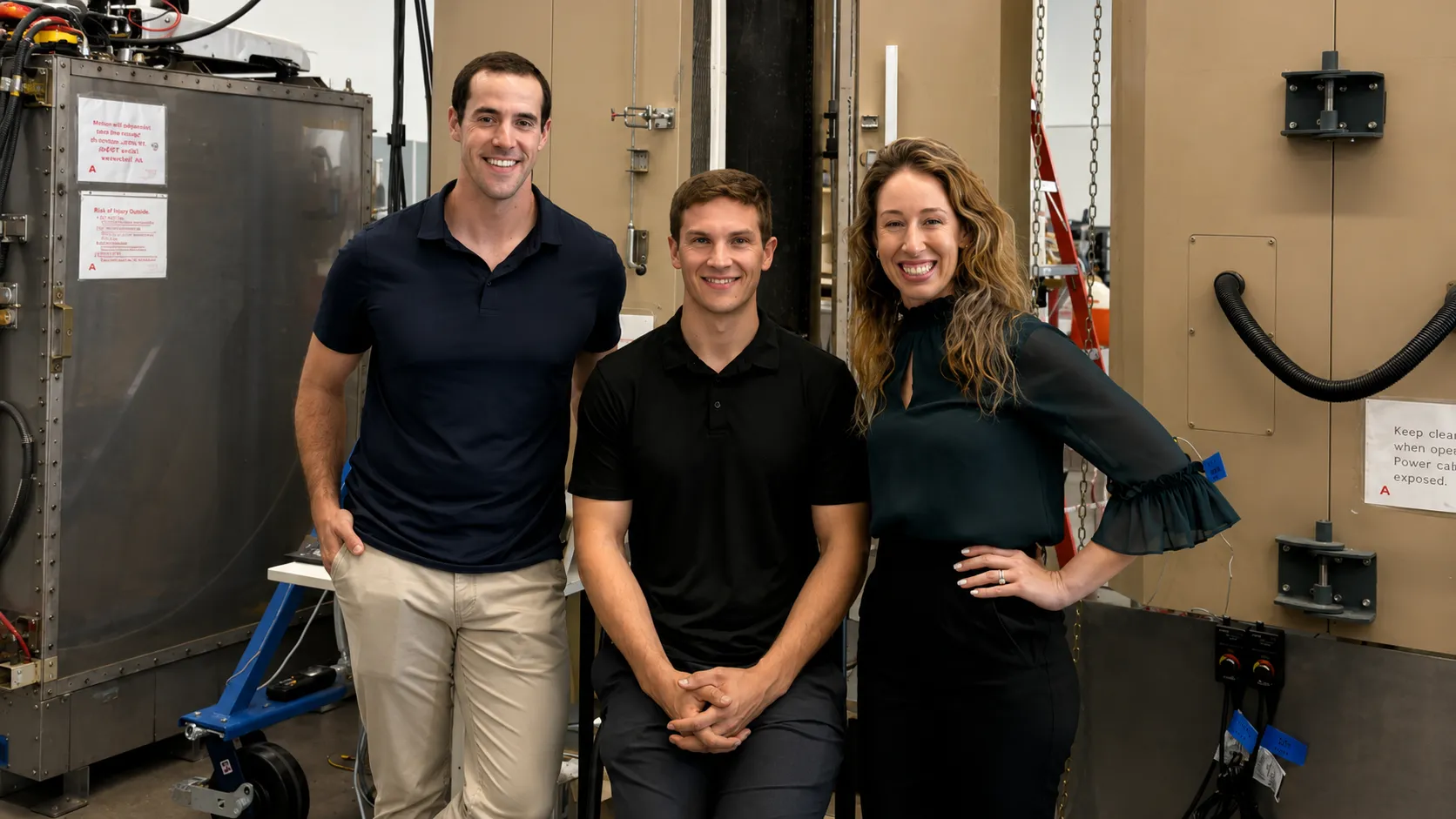
Mantel, a climate technology company developing a molten-borate carbon capture system, has raised $18 million to scale a technology aimed at lowering the cost of capturing carbon dioxide emissions from heavy industrial processes — among the hardest sectors to decarbonise given their reliance on high-temperature chemical reactions that are difficult to electrify.
Heavy industries including cement, steel and chemical manufacturing account for a disproportionate share of global industrial emissions, and have historically lagged the power and transport sectors in decarbonisation progress, largely because many of their emissions stem from chemical reactions inherent to the manufacturing process itself, rather than simply from burning fossil fuels for energy.
Mantel's molten-borate approach is designed to capture carbon dioxide more cost-effectively than conventional amine-based capture systems, which have historically struggled to achieve the cost reductions needed for widespread adoption across price-sensitive heavy industry, where capture costs directly affect the competitiveness of the underlying industrial product.
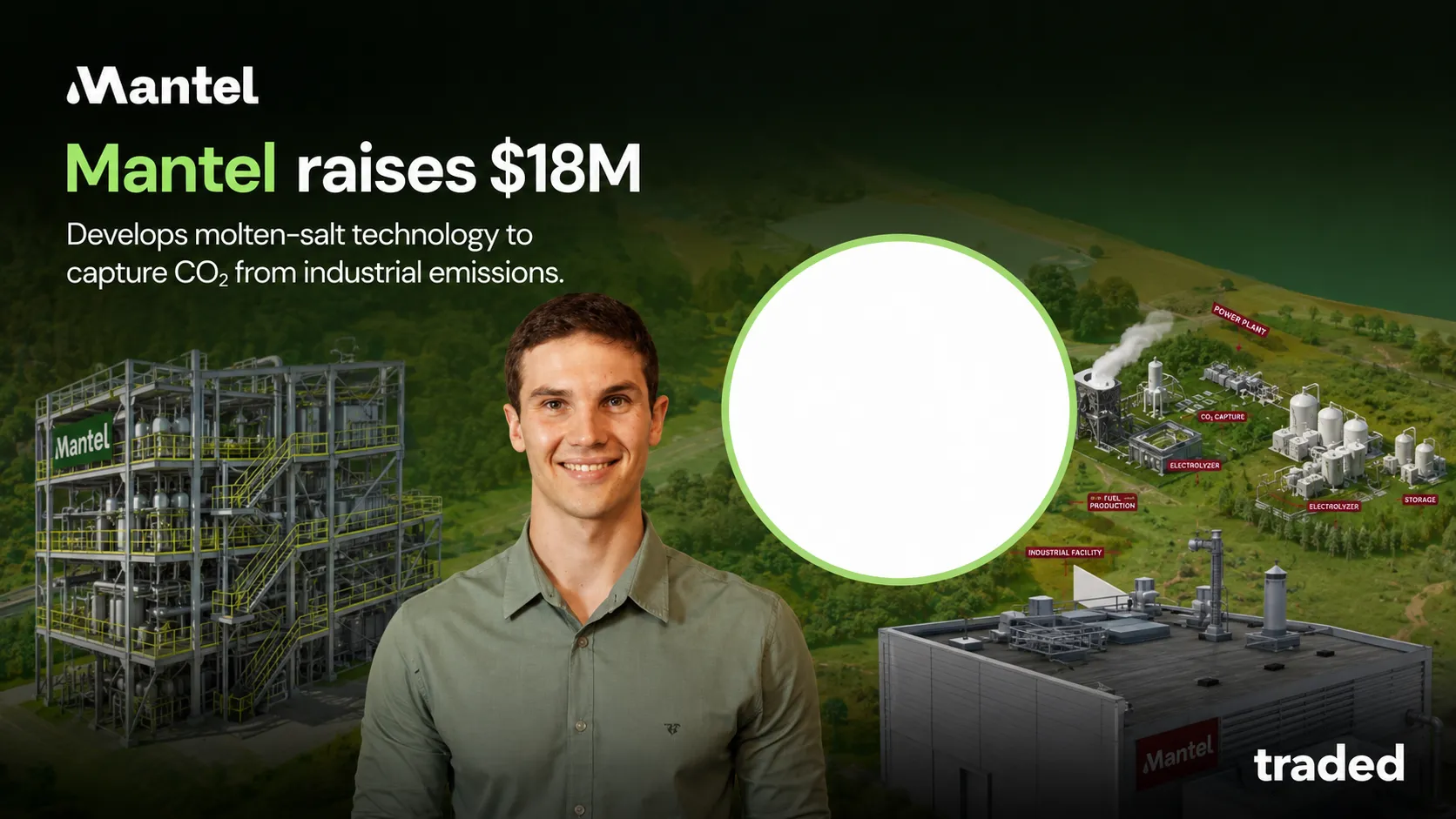
The technology's target market — heavy industrial emitters rather than power plants — reflects a broader shift in carbon capture investment focus, as power-sector decarbonisation increasingly proceeds through renewable energy deployment rather than capture-and-storage retrofits, leaving industrial process emissions as one of the more stubborn remaining decarbonisation challenges.
The funding arrives amid continued, if uneven, investor interest in carbon capture technology, a category that has experienced cycles of enthusiasm and scepticism as the industry works to prove that capture systems can operate reliably and economically at the scale required to meaningfully affect global emissions, rather than remaining confined to pilot and demonstration projects.
For Mantel, the path to commercial relevance will depend on demonstrating that its molten-borate system can achieve the cost and reliability improvements needed to compete with both established capture technologies and the growing menu of alternative industrial decarbonisation approaches, including green hydrogen and electrified process heat.
As policymakers and industrial operators alike search for viable pathways to decarbonise sectors that resist easy electrification, technologies like Mantel's molten-borate system represent an attempt to make carbon capture economically viable for exactly the industries that have proven most resistant to other decarbonisation strategies — a narrower but arguably more urgent target than the broader carbon capture ambitions that have attracted capital, and scrutiny, in recent years.