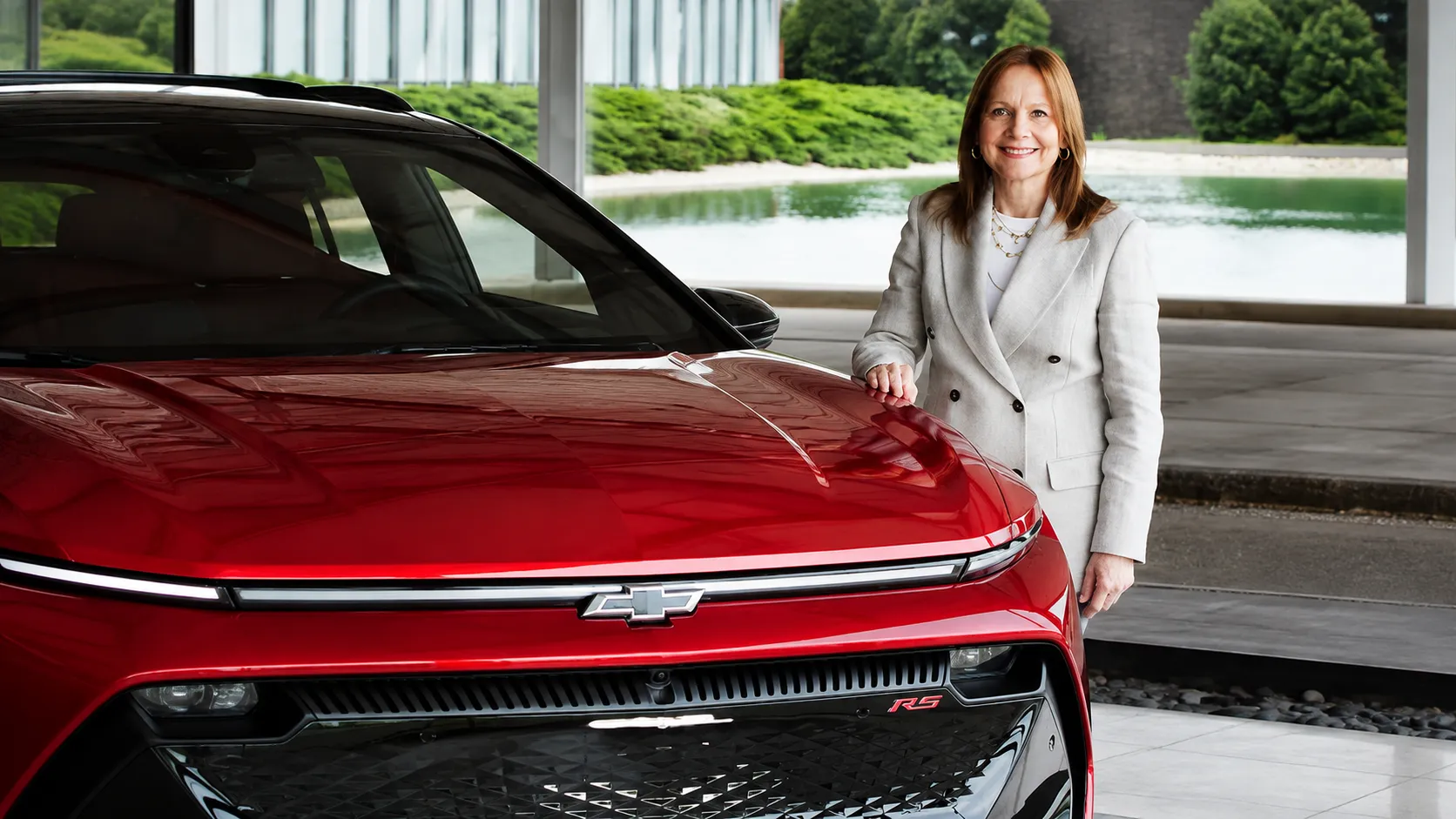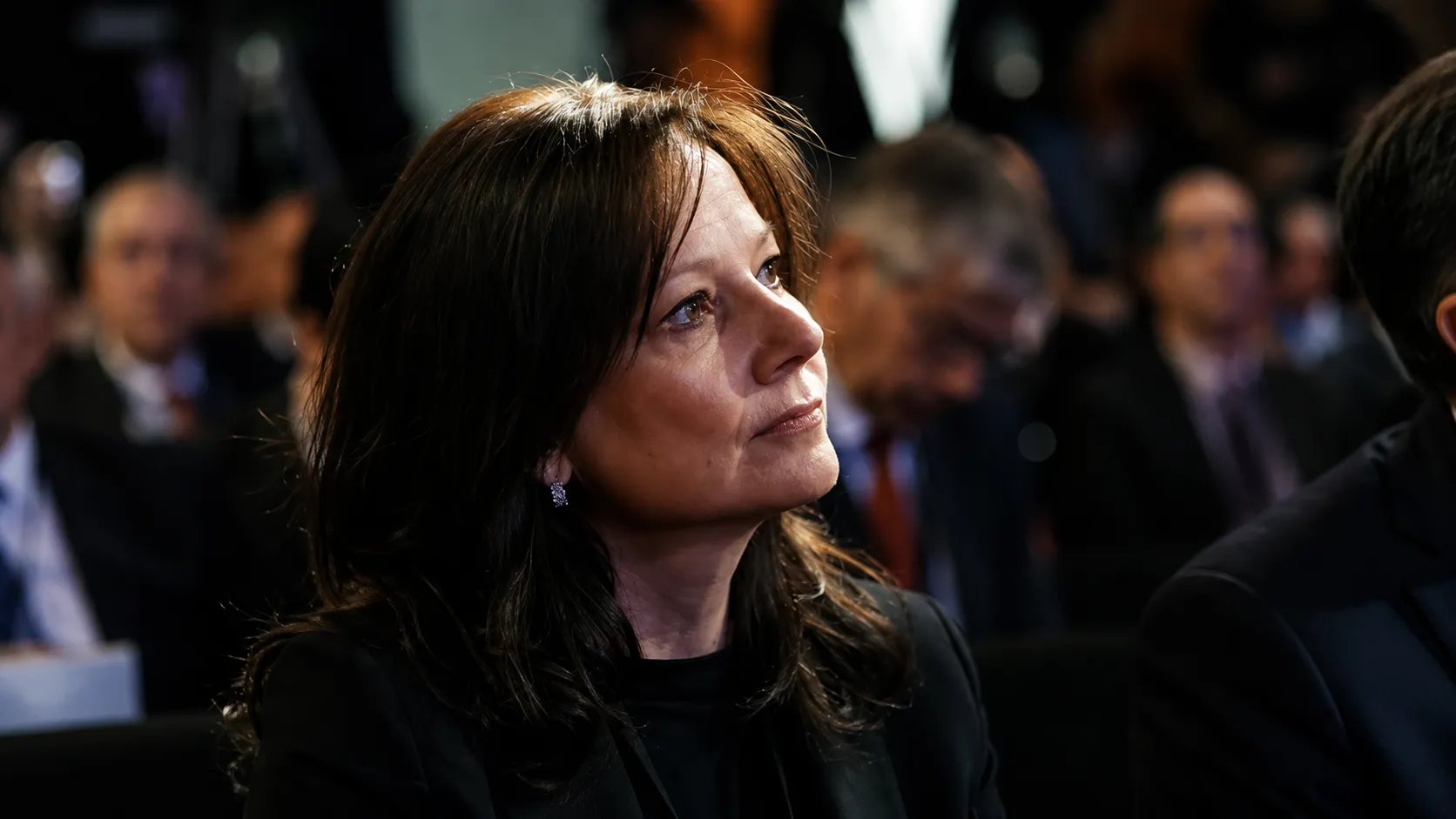
Mary Teresa Barra was born on 24 December 1961 in Waterford, Michigan, into a family whose fortunes were inseparable from the American automobile industry. Her father spent nearly four decades as a die caster in General Motors' Pontiac division, and Barra has spoken of being captivated at age ten by a cousin's red Chevrolet Camaro convertible, a memory she later described as her first real encounter with the emotional pull of a well-designed car. What began as childhood fascination would, over the following decades, carry her to the very top of the company her father had spent his working life serving.
Barra enrolled at General Motors Institute, now known as Kettering University, straight out of Waterford Mott High School in 1980, becoming part of the first generation in her family to attend college. The Institute's cooperative education model meant she divided her time between coursework and paid work inside GM's Pontiac Motor Division, where her earliest assignments involved inspecting fenders and hoods on the factory floor, unglamorous work that nonetheless gave her an intimate, ground-level understanding of automotive manufacturing that would distinguish her from executives who rose through finance or marketing. She graduated with a bachelor's degree in electrical engineering in 1985 and was later awarded a fellowship by GM to pursue an MBA at Stanford University's Graduate School of Business, which she completed in 1990.
Barra's career across the following two decades was built on a pattern that would become her professional signature: taking on GM's most operationally difficult assignments and delivering measurable turnarounds. In 2003, she was assigned to oversee the ageing Detroit-Hamtramck assembly plant, a facility in need of significant modernisation. She introduced new automation and efficiency measures, rebuilt fractured relationships with factory unions by establishing clearer lines of communication, and within roughly two years had transformed the plant's performance to the point of earning multiple quality awards. That turnaround caught the attention of GM's senior leadership and set her on a trajectory through increasingly senior engineering and operational roles, including executive director of Vehicle Manufacturing Engineering, vice president of Global Manufacturing Engineering, and, notably, vice president of Global Human Resources, a role that gave her rare cross-functional exposure to both the technical and people-management dimensions of running a global industrial company.
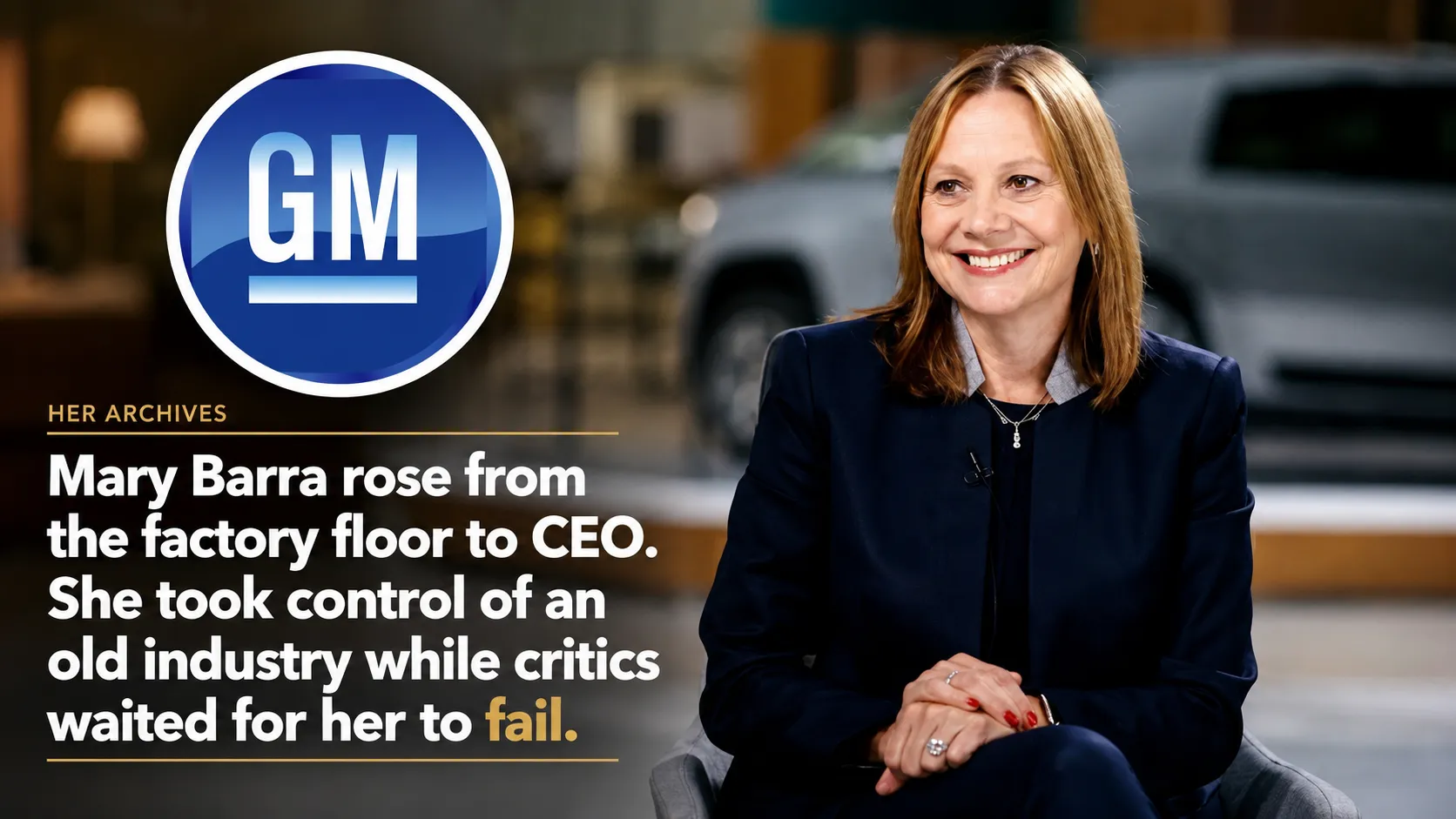
By 2011 she had become senior vice president of Global Product Development, and in 2013 was elevated to executive vice president overseeing Global Product Development, Purchasing and Supply Chain, positions that placed her at the centre of every major vehicle programme GM brought to market worldwide. On 10 December 2013, GM's board named her the company's next chief executive, and she formally assumed the role on 15 January 2014, becoming, at fifty-two years old, the first woman to lead a major global automaker. The appointment was widely covered internationally as a landmark moment for gender representation in one of the world's most historically male-dominated industries.
Barra's first year as CEO tested her leadership immediately and severely. Shortly after taking office, GM issued 84 separate safety recalls covering more than 30 million vehicles, most critically related to a faulty ignition switch defect that had been linked to numerous deaths and had gone unaddressed inside the company for years before her tenure began. Barra was called to testify before the United States Senate over the crisis, a genuinely difficult early trial by fire for any new chief executive. Rather than deflect responsibility, she published a public opinion piece outlining a concrete plan to address the recalls, established a victim compensation fund, and used the crisis as the foundation for a broader cultural overhaul inside GM centred on what she described internally as an end to tolerating what she bluntly called poor-quality vehicles.
That reset became the platform for a deeper strategic transformation. Barra has guided GM through a pivot toward electrification, autonomous driving and connected vehicle technology, framing the company's long-term ambition around what she has called a vision of zero crashes, zero emissions and zero congestion. Under her leadership, GM acquired autonomous vehicle company Cruise in 2016, expanded its electric vehicle lineup across Chevrolet, Cadillac and GMC, and pushed to modernise historically underperforming brands, most notably revitalising Cadillac and the Buick lineup while overseeing continued investment in the Chevrolet Corvette. The company posted record global sales and net income within the first year of her tenure, and she was elected Chair of GM's board in 2016, later adopting the gender-neutral title of Chair.
Barra's influence extends well beyond GM's own operations. She serves on the boards of the Walt Disney Company, the Duke University Board of Trustees, the Detroit Economic Club, and the Business Roundtable, giving her a broad platform to shape conversations about American manufacturing competitiveness and the country's transition toward electrified transportation. She has been ranked among the world's most powerful women repeatedly by both Fortune and Forbes, was featured on the cover of Time magazine's list of the 100 Most Influential People in the World in 2014, and was inducted into the Automotive Hall of Fame in 2023, a recognition reserved for individuals judged to have made a lasting mark on the global automotive industry.
What consistently distinguishes accounts of Barra's leadership from colleagues and industry observers is her insistence on staying close to the operational and engineering realities of the business, even after more than a decade running one of the world's largest industrial companies. She has spoken of how her early years as an electrical controls engineer on the assembly floor continue to shape how she evaluates decisions at the very top of the organisation, and she regularly visits GM's manufacturing and casting facilities, a habit colleagues describe as rare among chief executives of comparably large global companies. That grounded, engineering-first instinct has proven particularly valuable as GM has navigated the complex, capital-intensive transition toward electric vehicle manufacturing, a shift that has required exactly the kind of granular operational judgment Barra spent her earliest career years developing.
The road has not been without recalibration. As global automakers, including some of GM's own peers, have adjusted their electric vehicle timelines in response to slower-than-expected consumer adoption and evolving market conditions, Barra has had to balance GM's long-term electrification commitments against near-term commercial realities, adjusting production plans for specific electric models while maintaining the company's broader strategic direction. That balancing act, between ambitious technological transformation and pragmatic commercial discipline, has become one of the defining tests of her later tenure as CEO, and one that industry analysts continue to watch closely as a bellwether for the broader American automotive industry's electrification trajectory.