ImpactTechnology5 MIN READ

MATR Foods Opens Its First Commercial Fungal Fermentation Plant in Denmark, With Capacity for Up to 4,000 Tonnes of Food a Year

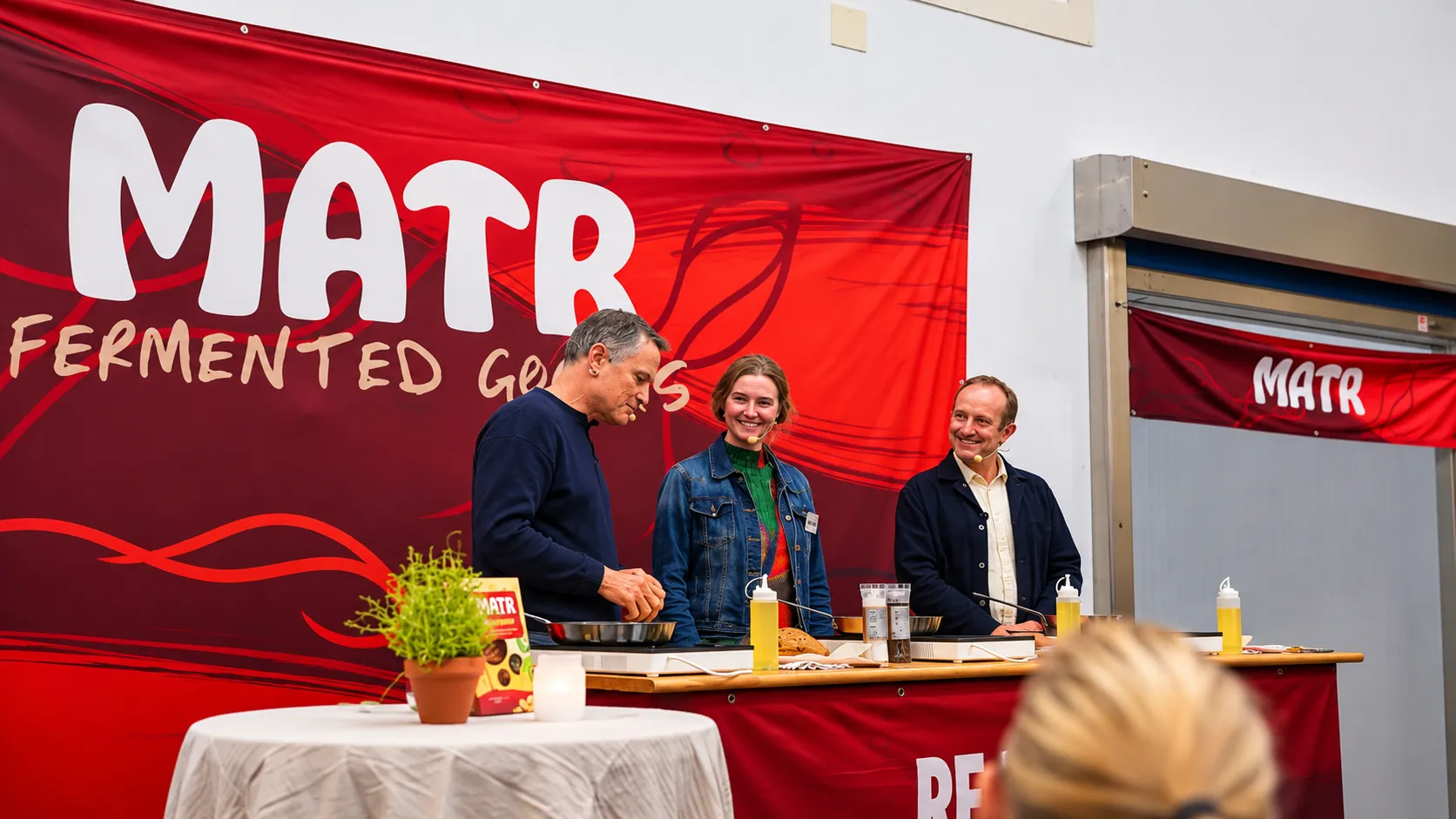
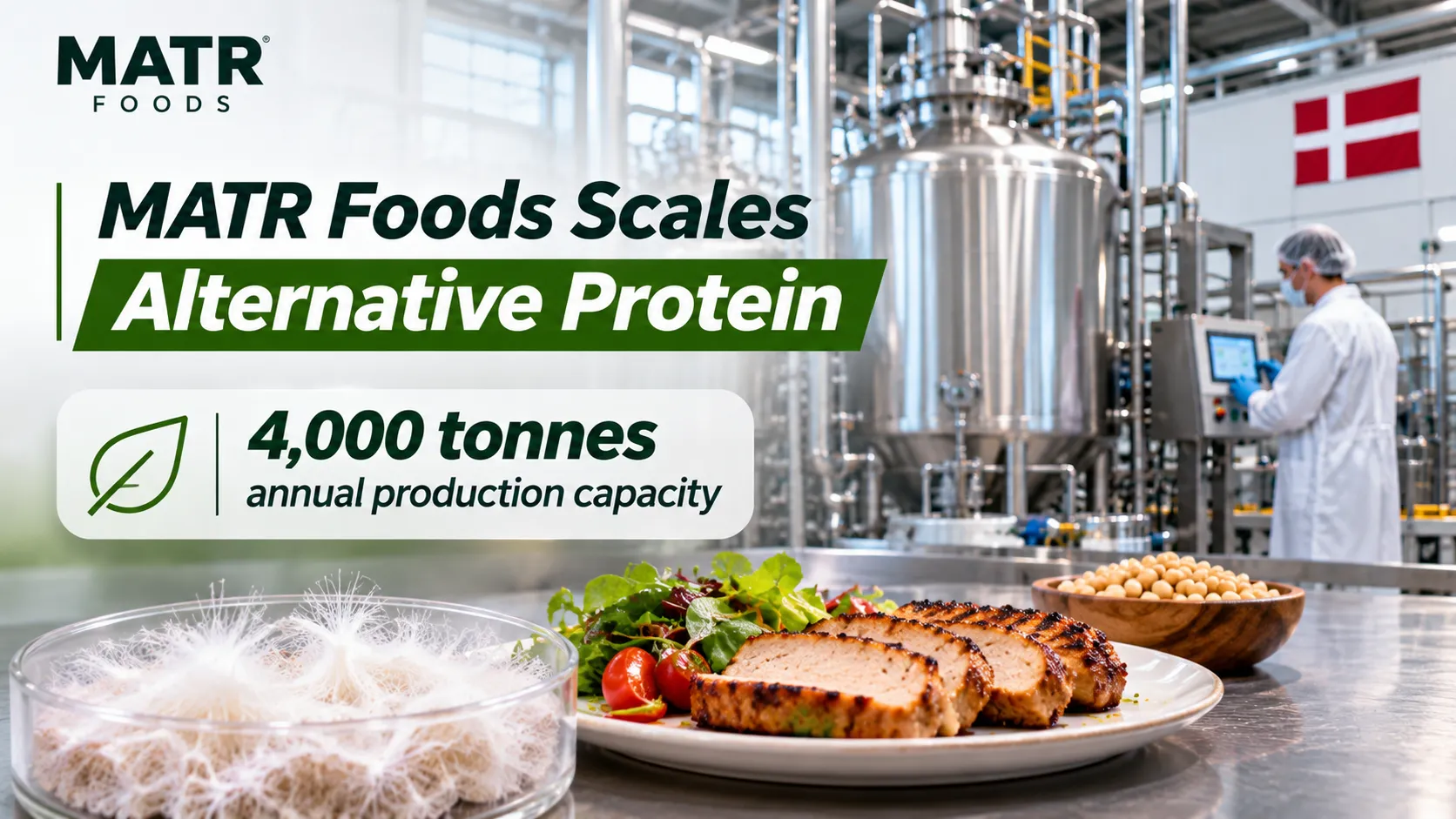
Danish food technology company MATR Foods has opened its first commercial-scale fungal fermentation plant in Ansager, Denmark, with capacity to produce up to 4,000 tonnes of food a year, according to SustainabilityOnline's November 23 brief. The company's chief executive said full capacity is not expected until 2028. The plant is a test of whether fermentation-based foods can scale beyond pilot facilities to compete on cost with conventional protein.

By Prathista Lazar · Author24 November 2026New
MATR Foods Opens Its First Commercial Fungal Fermentation Plant in Denmark, With Capacity for Up to 4,000 Tonnes of Food a Year

The alternative protein industry has spent years promising that new technologies can feed the world with a smaller environmental footprint. The real test is whether those technologies can be produced at scale. A Danish company has just taken a significant step.

MATR Foods has opened its first commercial-scale fungal fermentation plant in Ansager, in western Denmark, with capacity to produce up to 4,000 tonnes of food a year, according to SustainabilityOnline's Sustainability Brief published on Monday, November 23. The company's chief executive said full capacity is not expected to be reached until 2028.

What fungal fermentation is

Fungal fermentation uses fungi, such as moulds and other filamentous fungi, to transform raw materials into food. The process has been used for centuries in traditional foods such as tempeh in Indonesia, koji in Japan and various fermented foods across Asia and Europe.

Modern food companies are using fermentation to create protein-rich foods that can serve as alternatives to meat or as ingredients in a range of products. Fungi grow quickly, can be cultivated on a variety of feedstocks, including agricultural by-products, and produce foods with a meat-like texture and high protein content.

MATR Foods' approach

MATR Foods uses fungal fermentation to produce whole-food products, typically by growing fungi on plant-based ingredients. The resulting products can be sliced, cooked and used in place of meat in dishes, offering a minimally processed alternative to many plant-based meat substitutes, which often rely on extensive processing and long ingredient lists.

Using locally available plant ingredients, including side streams from food production, can reduce waste and costs while lowering the environmental footprint of the final product.

Why scale matters

Many alternative protein companies have struggled to move from pilot plants to commercial production. Building and operating large fermentation facilities requires significant capital, technical expertise and reliable supply chains. Production costs at small scale are often too high to compete with conventional meat or established plant-based products.

A plant capable of producing up to 4,000 tonnes a year represents a meaningful step towards commercial viability. Reaching full capacity by 2028 will depend on demand, operational performance and the company's ability to secure customers in retail and food service.

The environmental case

Livestock farming accounts for a significant share of global greenhouse gas emissions, particularly methane from cattle, as well as large amounts of land and water use. Shifting part of global protein consumption to alternatives with lower environmental footprints is seen by many researchers as an important part of addressing climate change and biodiversity loss.

Fermentation-based foods typically require far less land and water than animal agriculture and can be produced in controlled environments, reducing exposure to climate risks such as droughts and floods.

A difficult market

The alternative protein sector has faced challenges in recent years. After rapid growth and heavy investment, sales of plant-based meat alternatives slowed in several markets, and some companies struggled with high costs and consumer concerns about taste, price and processing. Investment in the sector declined from its peak.

Fermentation-based companies argue that their products offer advantages in taste, texture and simplicity of ingredients, which could help them succeed where earlier products struggled. Some investors see fermentation as the next phase of the alternative protein industry.

“The future of protein may be grown in tanks and trays rather than raised in fields and barns.”
— TIGI Impact Desk

Denmark's food innovation ecosystem

Denmark has a strong tradition in food production and biotechnology, home to companies such as Novonesis, a global leader in enzymes and microbial solutions, and Arla Foods. Danish universities and research institutions are active in fermentation and food science, and the government has supported plant-based and alternative protein development through dedicated funds.

This ecosystem provides MATR Foods with access to talent, research partnerships and supply chains.

What it means for food security

Beyond climate benefits, fermentation-based foods could contribute to food security by providing protein that can be produced locally, independently of weather conditions and with less reliance on imported feed. This is relevant for countries seeking to strengthen the resilience of their food systems.

8cae959f-c25d-466f-9e9a-bc512c69ed51.png

What it means for India

India has a long tradition of fermented foods and a large vegetarian population, creating a natural market for protein-rich, plant-based foods. Indian startups are developing alternative proteins, including fermentation-based products, and the government has identified biomanufacturing as a strategic sector under its BioE3 policy.

Fermentation technologies that use agricultural side streams could be particularly relevant in India, where crop residues and food processing by-products are abundant. Collaboration between Indian and European companies in fermentation could help bring these technologies to Indian consumers at affordable prices.

The investment angle

Investors in food technology will watch MATR Foods' progress as a test of whether fermentation can scale profitably. Successful commercial plants could attract further investment into the sector, while difficulties could reinforce caution.

Consumer acceptance

Consumer acceptance is a key challenge for all alternative proteins. Surveys suggest that many consumers are interested in reducing meat consumption for health and environmental reasons, but they are unwilling to compromise on taste, texture or price.

Fermentation-based foods that offer simple ingredient lists and appealing textures may be better placed to win over consumers who were disappointed by earlier plant-based products.

Policy support in Europe

European governments have increasingly supported the development of alternative proteins as part of their climate and food security strategies. Denmark, in particular, has introduced a national action plan for plant-based foods and a fund to support innovation in the sector.

Such support can help companies bridge the gap between pilot production and commercial scale, a stage that has proved difficult for many food technology startups.

The cost challenge

The most important factor for the long-term success of fermentation-based foods is cost. To compete with conventional meat and established plant-based products, producers must reduce production costs through scale, efficient processes and cheap feedstocks.

Commercial plants like MATR Foods' Ansager facility are essential for achieving these economies of scale and demonstrating that the technology can compete on price as well as sustainability. Partnerships with retailers, restaurant chains and food manufacturers will be crucial for building volume, since steady orders allow plants to run efficiently and lower unit costs over time.

What comes next

MATR Foods will now ramp up production at its Ansager facility, with the goal of reaching full capacity by 2028. Its ability to secure retail and food service customers, maintain product quality and reduce costs will determine whether fungal fermentation can become a mainstream source of protein.

TagsMATR Foodsfungal fermentationDenmarkAnsageralternative proteinmycoproteinfermentationfood technologysustainable foodplant-based foodclimatefood securityside streamscircular economymeat alternativesfood manufacturingscale-upEuropeimpactsustainability

Reader reviews

Sign in to rate and review this article.
Loading reviews…