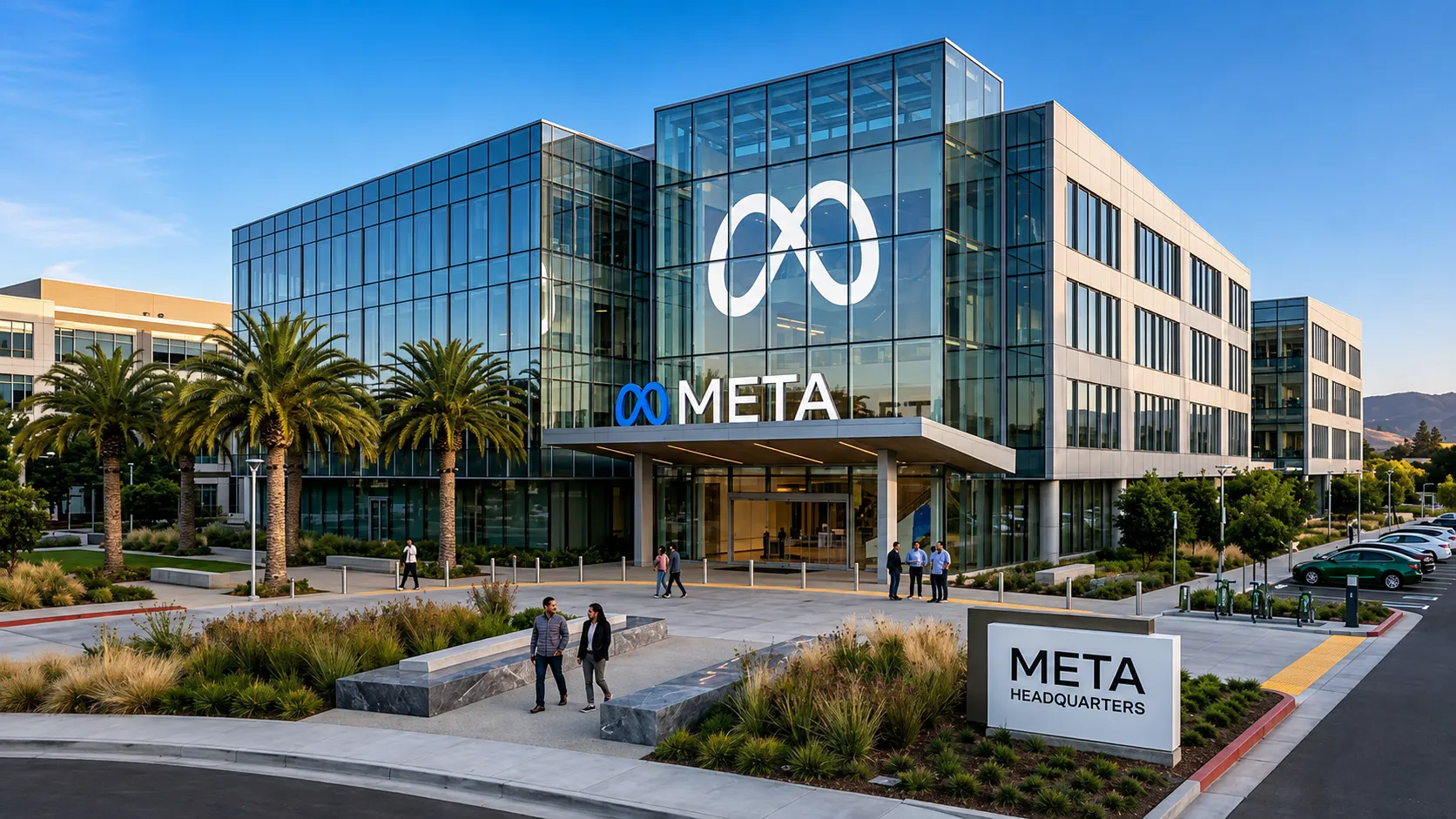
Meta has agreed to pay up to $16.68 billion to settle claims that it designed Facebook and Instagram to be addictive to teenage users, according to reporting published August 26, 2026, marking one of the largest settlements to date in the escalating global legal and regulatory reckoning over social media platforms' impact on youth mental health and wellbeing.
The settlement figure represents a substantial financial commitment even for a company of Meta's scale, underscoring the mounting legal exposure technology platforms face as governments, regulators, parents and mental health advocates around the world have increasingly scrutinised the design choices — including infinite scroll feeds, algorithmically optimised content recommendations, and engagement-maximising notification systems — that critics argue were engineered to capture and hold the attention of young users, sometimes at the expense of their psychological wellbeing.
The claims underlying the settlement reflect a broader pattern of litigation and regulatory action that has built steadily against major social media companies over recent years, as internal company research, whistleblower disclosures and independent academic studies have progressively built a body of evidence linking heavy social media use among adolescents to increased rates of anxiety, depression, body image concerns and disrupted sleep patterns. Meta, as the operator of two of the world's largest social platforms in Facebook and Instagram, has faced particularly intense scrutiny given the scale of its teenage user base globally.

The size of the settlement arrives in the same week that New Zealand lawmakers have been advancing legislation to ban social media access for children under the age of 16, part of a broader international trend toward more restrictive regulatory approaches to youth social media use that has gained momentum across multiple jurisdictions over the past two years. Taken together, these developments suggest that 2026 is emerging as a pivotal year in the global effort to hold social media companies accountable for platform design choices affecting younger users, both through direct litigation and through more assertive legislative and regulatory intervention.
For Meta, the financial impact of the settlement, while substantial in absolute terms, must be considered against the company's overall scale and profitability, which continues to be driven predominantly by advertising revenue generated across its family of apps. However, the settlement's significance extends well beyond its immediate financial cost, potentially setting a precedent that could influence the terms and scale of similar claims against other major social media and technology platforms facing comparable allegations regarding their own platform design choices and their effects on younger users.
The settlement also arrives at a moment when the broader technology industry is grappling with an unprecedented convergence of financial and regulatory pressures, from AI infrastructure costs to chip pricing to data privacy enforcement, as illustrated by a wave of other major technology developments reported the same week, including Amazon's decision to shut down its long-running Mechanical Turk platform and continued regulatory attention on AI-related data practices across multiple jurisdictions.
Industry observers will be watching closely to see whether the scale of Meta's settlement prompts changes to platform design practices industry-wide, particularly around features specifically implicated in concerns about youth engagement and mental health, or whether companies will instead continue to treat legal settlements of this kind as a cost of doing business to be absorbed within their broader financial operations, while regulatory bodies in jurisdictions such as New Zealand pursue more structural interventions aimed at limiting youth access to social media platforms altogether.